Bulawayo, (New Ziana) – Government is moving ahead with its plans to compel foreign mining companies to process and beneficiate critical minerals within the country, effectively putting an end to the export of raw ores, a senior official has said.
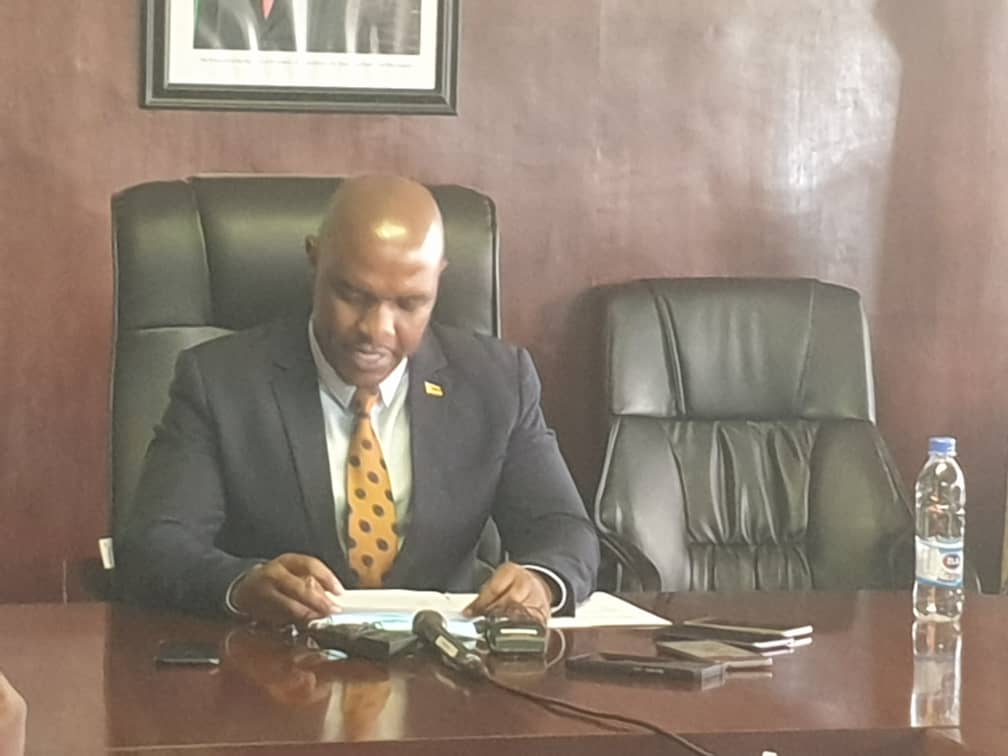
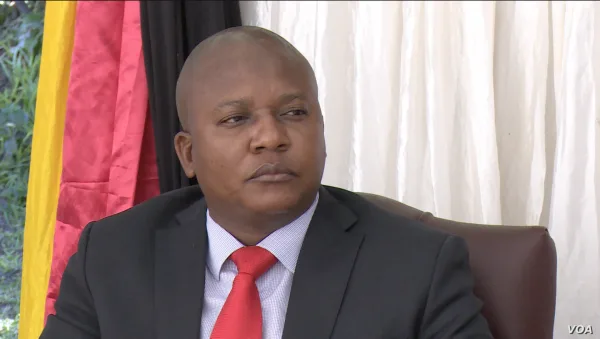
Deputy Minister of Mines and Mining Development, Polite Kambamura said this on Wednesday during his keynote address at the Zimbabwe Alternative Mining Indaba (ZAMI) in Bulawayo.
This year’s indaba is running under the theme “From Extraction To Sustainable Development, Unlocking Zimbabwe`s Mineral Wealth For Inclusive Growth In The Just Energy Transition”. Running from September 15 to 19, the event convenes a diverse group of community leaders, civil society representatives, and mining industry stakeholders.
Kambumura said the bold strategy is aimed at capturing maximum value from the nation’s mineral wealth and creating local jobs. “We are at a critical juncture. Our goal is to ensure that there is a shift from being a mere exporter of raw materials to a producer of value-added products,” he said.
Kambamura said the policy is a central pillar of the government’s economic blueprints, Vision 2030 and the National Development Strategy 1 (NDS-1), and is driven by the soaring global demand for critical minerals like lithium, which are essential for the global clean energy transition.
He highlighted that Zimbabwe holds the largest lithium deposits in Africa, a resource in intense demand for electric vehicle batteries and renewable energy storage systems.
“This transition, however, comes with significant risks. The rapid extraction of these minerals must be managed responsibly to avoid severe socio-economic and environmental damage.
“The process can only be achieved through a generation of initiatives to industrialise, to create jobs, to improve incomes, to protect communities and ecosystems, and to do this in a way that is socially just, equitable and sustainable,” he said.
To achieve this, Kambamura said, government is implementing a multi-faceted approach such as legal reforms and investor conditions, strengthening environmental and community safeguards as well as building infrastructure and market access.
“The Mines and Minerals Act is currently being amended to facilitate this new governance model. A key strategy is to require foreign investors to “commit to technology transfer, training of local personnel, and local research and development.
“Steps to establish mineral processing and beneficiation centres are already underway,” he said.
Kambamura highlighted that strong environmental considerations are being baked into the new legal framework, including rigorous Environmental Impact Assessments (EIAs).
He specifically mentioned the need to address land degradation, deforestation, water pollution, and the formation of tailings dams.
He also spoke about Community Share Ownership Trusts (CSOT) as a priority.
CSOT is a model for returning mineral wealth to local areas. “There is need to incentivise community-based natural resource management programs so that our natural resources are better managed.
“Reliable and clean energy supply, broad integrated water management systems, and ICT infrastructure must be developed. “International trade partnerships and aligning with global standards are crucial for exporting value-added products,” said Kambamura.
Government is prioritising abundant lithium resources as a key part of its economic development strategy to achieve its “Vision 2030” goals by fostering domestic beneficiation and battery production.
To this end, the government banned the export of raw lithium in 2022 and will ban lithium concentrate exports from January 2027 to ensure more value-added processing and economic returns, though challenges remain, including rampant smuggling and weak enforcement against illicit mining.
New Ziana