
MARONDERA- Government initiated programmes such as the Public Sector Investment Programme
(PSIP), devolution and the Emergency Roads Rehabilitation Programme (ERRP) are the major funders
spearheading infrastructural development in Mashonaland East.
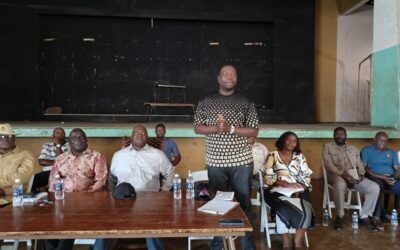
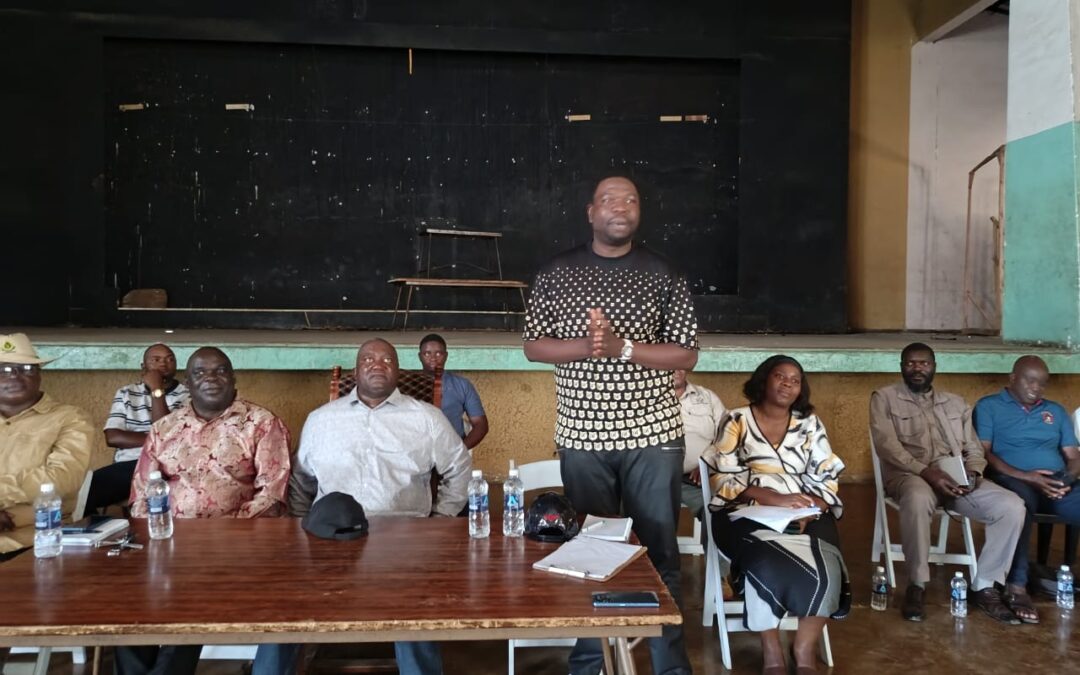
The information was tabled at a Provincial Development Committee (PDC) meeting where the
Provincial Economic Development Plan (2021-2025) was unpacked.
Devolution funding was used in the provision of social services including drilling of new boreholes,
rehabilitation of boreholes, construction of classroom blocks, science laboratories, drilling rigs,
tipper trucks, tractors, backhoe loaders, purchase of ambulances, clinic construction and water
reticulation equipment and infrastructure.
Last year, the Province was allocated funds amounting to ZW$6 475 461 400 for devolution and
received ZW$985 900 000.
ERRP funded the construction of roads stretch totaling 148km and periodic road maintenance for
about 353km across the province.
Mashonaland East has a total road network 2 561km.
PSIP project highlights include Murehwa Central Registry, Hwedza Central Registry, Composite office
blocks in Wedza and Mutoko as well as Mudzi vocational training centre.
There was also the commissioning of Muchekeranwa Dam, construction of Chivhu Dam 93 percent
complete, Chivhu water treatment plant now functional at 90 percent complete, 120 ha Chivhu
Irrigation scheme (20ha operational) and Kunzvi Dam 24 percent complete, 100 ha
Sapuranyambuya Irrigation scheme in UMP and 60 ha Machangara Irrigation.
Provincial secretary for Mashonaland East Affairs and Devolution Tavabarira Kutamahufa said the
projects were key as they are contributing to the province’s economic development.
He said: “These projects are important to us in the sense that they are catalysts to the socio-
economic development of this province and the country at large. They fit in the National
Development Strategy-1 (NDS-1) and shows that we are on track to achieve Vision 2030 of making
Zimbabwe an upper-middle income economy by 2030.
“If there are other high-impact projects that were not captured, they must be included as that
guides as when interrogating the progress we are making as a province.”

643 Vic Ranch families get assistance
By Sharon Chimenya AT least 643 households in Ward 7 of Victoria Ranch under...