By Zachary Gava
Harare, (New Ziana) – Zimbabwe is stepping up efforts to equip young people with the knowledge and technical skills needed to participate meaningfully in the country’s emerging carbon market, with Government describing youth as critical players in climate action, innovation and sustainable development.
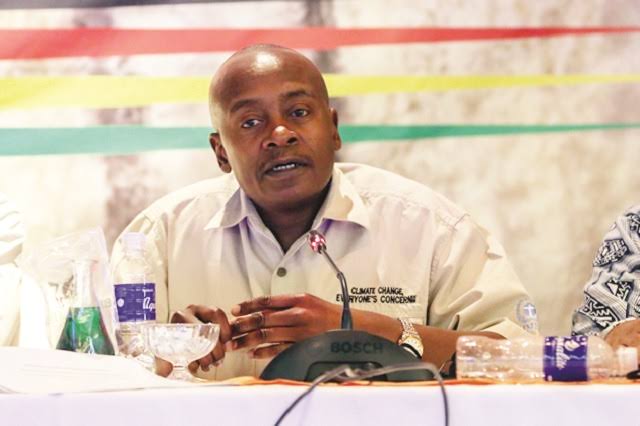
Speaking during a Ministry of Environment, Climate and Wildlife engagement with young people from the Africa Youth Initiative on Climate Change on Tuesday, which also brought together participants from the wider carbon sector, Chief Director in the Ministry and head of the Zimbabwe Carbon Markets Authority (ZiCMA), Washington Zhakata, said empowering youths with knowledge on carbon trading was an investment in the country’s climate future.
The engagement sought to deepen young people’s understanding of climate change while exposing them to opportunities emerging from carbon finance.
“Carbon trading is gradually redefining how we look at climate finance, adaptation and mitigation,” Zhakata said.
He said the complexity and rapidly evolving nature of carbon markets required strong policies, regulatory systems and institutions capable of managing the sector while ensuring carbon trading contributes to sustainable development.
Zimbabwe strengthened its regulatory framework in 2025 through the Carbon Trading (General) Regulations, 2025, promulgated under Statutory Instrument 48 of 2025.
The regulations established ZiCMA and provided for the operationalization of the Zimbabwe Carbon Registry, with the authority responsible for overseeing carbon market activities, including the registration and approval of carbon projects, authorization of mitigation outcomes, and compliance with the country’s carbon market framework.
Zhakata said the reforms were intended to create an environment in which carbon trading could support climate change mitigation and adaptation while contributing to Zimbabwe’s broader sustainable development objectives.
“These regulations aim to promote carbon trading, facilitate the exchange of credits for climate change mitigation and adaptation, and promote sustainable development in line with the National Development Strategy,” he said.
Zimbabwe’s renewed focus on carbon markets comes as countries seek to use carbon finance to mobilize resources for climate action.
Under Article 6 of the Paris Agreement, countries can cooperate in reducing emissions and mobilizing climate finance through mechanisms that include internationally transferred mitigation outcomes and the Article 6.4 carbon credit mechanism.
Zhakata challenged young people to understand these international frameworks if they are to take advantage of emerging opportunities.
“You need to know Article 6, because if you do not know Article 6, you will not even dare to attempt carbon trading,” he said.
He said carbon finance could unlock private-sector resources to complement conventional climate finance, particularly for mitigation and adaptation projects.
“Carbon finance is a potential avenue for tapping into private sector resources to enable the much-needed climate action, youth empowerment, poverty reduction and sustainable development,” Zhakata said.
He noted that many young people and youth organizations were already involved in climate change mitigation initiatives, making it important for them to understand how their work could connect with carbon markets.
The engagement was therefore aimed at strengthening youth understanding of the country’s carbon market framework, promoting alignment between carbon trading and youth programmes, and fostering collaboration across the sector.
Zhakata urged participants to actively engage rather than remain passive observers.
“Please ask more questions. If you go without knowing, you have lost an opportunity. Ensure that everyone is participating one way or the other. We do not want anyone to be a passenger in this exercise,” he said.
He also encouraged the Africa Youth Initiative on Climate Change and other young people involved in climate action to sustain their efforts and engage Government where they require support.
“Please keep the fire burning for climate change. We want to see you shine. We want to see you knocking on our doors. We will assist you where possible and whenever possible,” he said.
Zhakata said Government expected the knowledge gained to translate into practical initiatives contributing to climate resilience, economic empowerment and sustainable development.
New Ziana