
Antony Chawagarira
MASVINGO – The government is strengthening its monitoring, evaluation, and learning systems to ensure that national development programmes translate into measurable improvements in the lives of Zimbabweans.
The move is expected to enhance accountability, improve the use of public resources, and accelerate the implementation of projects under the National Development Strategy 2 (NDS2) as the country works towards Vision 2030.
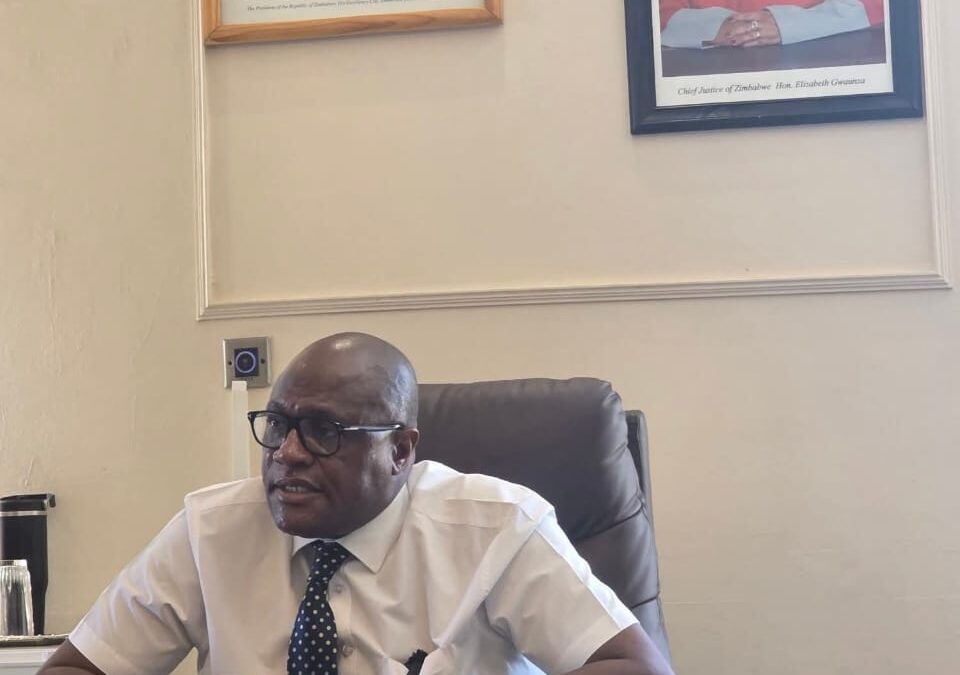
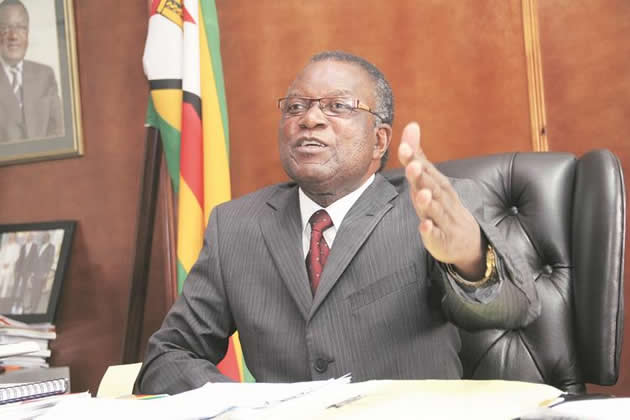
Special Advisor to the President on Monitoring and Implementation of Government Programmes and Projects, Dr Joram Gumbo, said effective monitoring and evaluation are critical in determining whether government interventions are delivering the intended results.
He was speaking ahead of the second edition of the Monitoring, Evaluation and Learning (MEL) Week, being held in Masvingo from August 29 to September 4.
Dr Gumbo said the government was working to strengthen the national MEL architecture to provide decision-makers with reliable, timely, and actionable information on the performance of programmes and projects.
“The 2026 MEL Week comes at a critical stage in Zimbabwe’s development journey as we implement NDS2 and advance toward Vision 2030,” he said.
He said strengthened MEL systems would help the government identify implementation bottlenecks, improve accountability, enhance value for money, and ensure that development outcomes reach communities.
“Broadly, MEL enables us to ask the hard questions: Are programmes being implemented as planned? Are resources generating value? Where are the bottlenecks?,” he said.
“And most importantly, are interventions making a tangible difference in the lives of Zimbabweans?”
Dr Gumbo said the success of government programmes should ultimately be measured by their impact on communities rather than simply by the number of projects completed.
“The ultimate measure of success is not the number of projects completed, but whether interventions deliver better services, stronger livelihoods, improved infrastructure, greater productivity, and an enhanced quality of life for our people,” he said.
The second MEL Week is being organised by the government in partnership with the United Nations and other development partners.
It brings together government institutions, provincial administrations, local authorities, academia, civil society, the private sector, MEL professionals, and international partners.
Vice President Colonel (Rtd.) Dr. Kembo Mohadi is the Guest of Honour.
The programme focuses on six thematic areas, including local governance and accountable service delivery, adaptive MEL for complex environments, strengthening data systems for decision-making, monitoring and evaluation in the Fourth Industrial Revolution, advancing African approaches to evidence generation, and supporting innovation among young and emerging evaluators.
Participants are also being exposed to modern approaches, such as data analytics, results-based monitoring, adaptive evaluation, and real-time dashboards.
Dr Gumbo said the training would strengthen the country’s capacity to respond to evidence as it emerges and ensure that lessons from implementation inform future policy decisions.
The programme also features research and technical paper presentations, capacity-building sessions, high-level policy panels, and strategic dialogues on strengthening national data systems.
UN Programme Management Team chairperson Miranda Tabifor reaffirmed the United Nations’ commitment to supporting Zimbabwe in strengthening monitoring, evaluation, and learning systems.
She said MEL was important in assessing the effectiveness of programmes being implemented under the partnership between the government and the UN, particularly in advancing the Sustainable Development Goals.
The 17 SDGs, adopted by UN member states in 2015 under the 2030 Agenda for Sustainable Development, seek to address global challenges, including poverty, health, education, water and sanitation, energy, infrastructure, and sustainable communities.
Hosting MEL Week in Masvingo also aligns with the government’s devolution and decentralisation thrust, bringing national development discussions closer to provinces, communities, and project implementation sites.
The event builds on the inaugural MEL Week held in Harare in 2025 and comes as the government intensifies implementation of NDS2 across key sectors, including agriculture, infrastructure, health, education, energy, and housing.
The government says stronger monitoring and evaluation will help ensure that these investments are assessed not only by what is delivered, but also by the extent to which they improve livelihoods and contribute to the attainment of Vision 2030.