
Antony Chawagarira
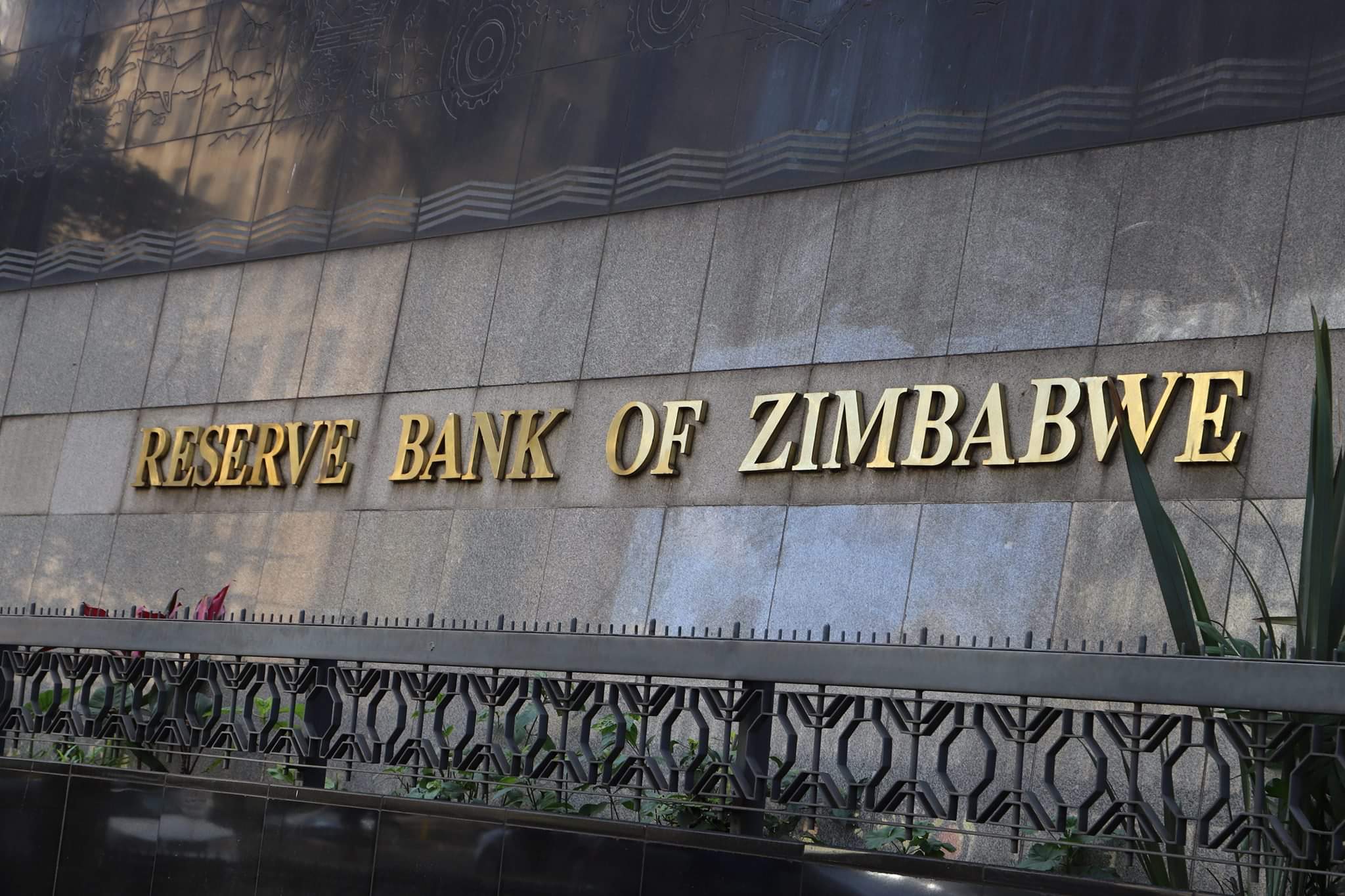
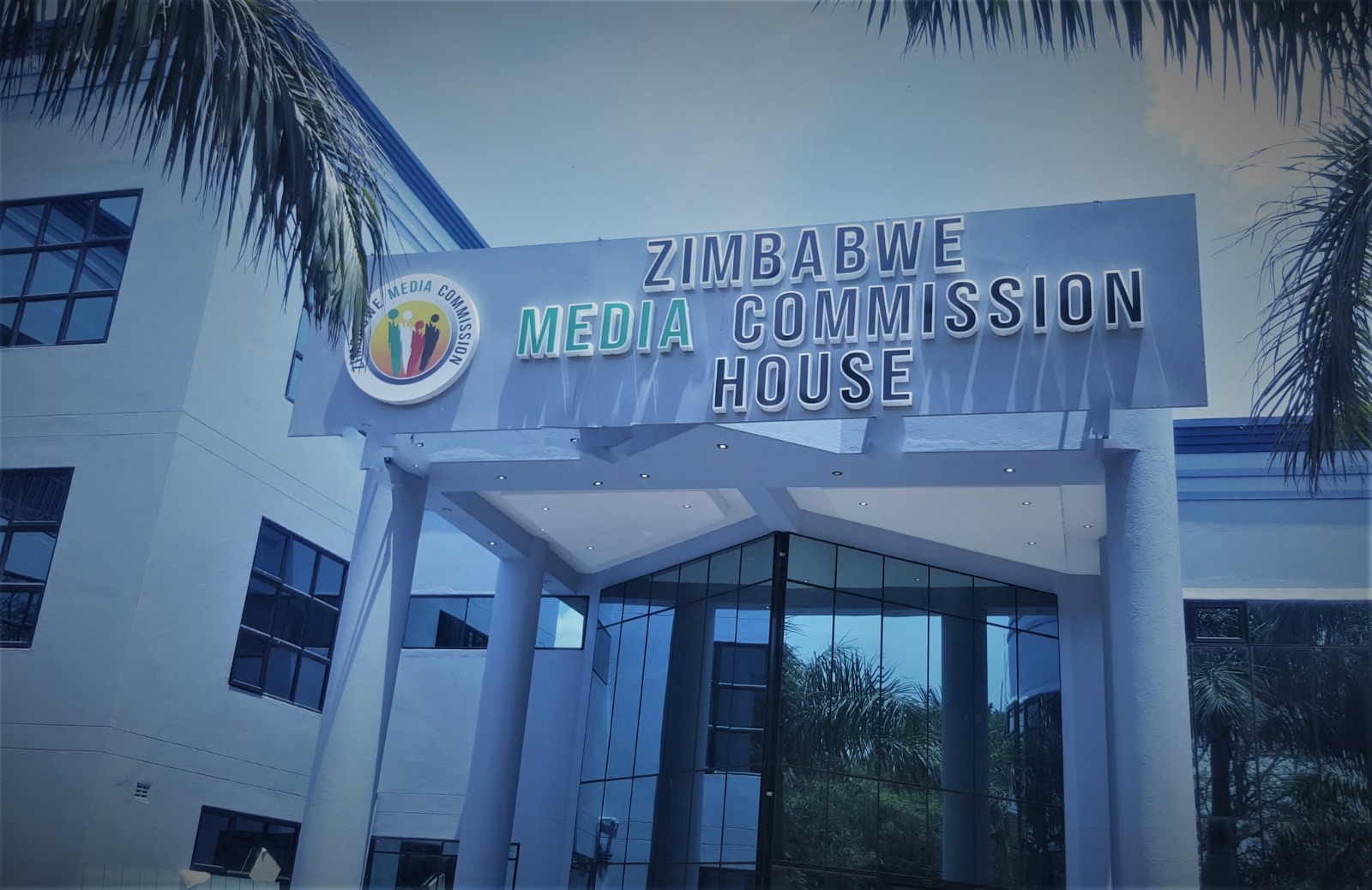
HARARE — The Zimbabwe Media Commission (ZMC) has warned journalists and media practitioners against soliciting money, fuel, allowances, or other personal benefits in exchange for news coverage, stating that such conduct undermines public trust and professional journalism.
The warning follows reports received by the Commission alleging that some journalists and media practitioners have been demanding payment or other benefits to cover events, publish favourable stories, suppress information, or refrain from adverse reporting.
In a statement issued on September 29, the ZMC stated that journalists who engage in such practices could face regulatory action and, where criminal conduct is suspected, referral to the police and prosecuting authorities.
The ZMC stated that its mandate under Section 249(1)(b), (d), and (e) of the Constitution includes promoting and enforcing good practices and ethics in the media, encouraging or formulating codes of conduct, and receiving complaints from members of the public.
The Commission also referred to Sections 10 and 11 of the Zimbabwe Media Commission Act, which require investigations to observe natural justice and provide affected parties with an opportunity to respond. Section 12 empowers the Commission to issue appropriate orders and recommendations following investigations.
The ZMC, however, clarified that legitimate institutional arrangements covering transport, accommodation, advertising, and sponsorship do not automatically constitute wrongdoing.
“The line is crossed when payment or a personal benefit is demanded as the price of editorial coverage, favourable treatment, suppression of information, or protection from adverse reporting,” it said.
The Commission said that threats or illegitimate pressure used to extract money or other advantages could amount to extortion under Sections 133 and 134 of the Criminal Law (Codification and Reform) Act.
It stated that once allegations are substantiated following a fair investigation, it would not hesitate to take appropriate action. Such action could include issuing formal findings and orders or recommendations, notifying the responsible media organisation, pursuing court action where applicable, and referring suspected criminal conduct to the Zimbabwe Republic Police and competent prosecuting authorities.
“The ZMC will not shield any media practitioner who abuses the profession for personal gain,” the Commission said.
Editors, publishers, and newsroom managers have also been urged to prohibit payment-for-coverage demands, keep advertising and sponsorship separate from editorial decisions, maintain clear rules on gifts and facilitation, preserve relevant evidence, and take prompt internal action when misconduct is established.
Members of the public and organisations who suspect such conduct have been encouraged to report cases to the ZMC and, where possible, provide the names of journalists involved, dates, locations, messages, recordings, witnesses, or proof of payment.
The Commission said that complaints would be handled objectively while respecting the right of all parties to be heard.
Reaffirming its commitment to media freedom and freedom of expression, the ZMC stated that professional journalism must remain guided by ethical standards and the public interest.