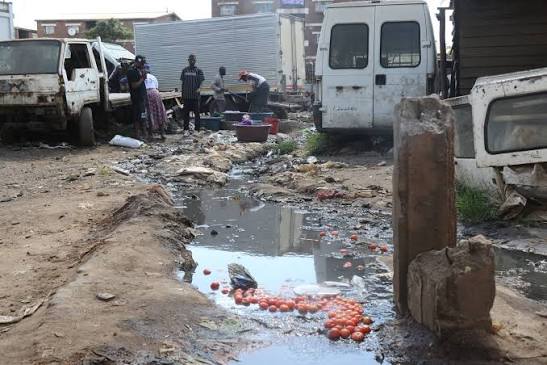
Harare, (New Ziana) —The Harare Metropolitan area is sitting on a public health time bomb due to persistent discharge of raw sewage into public water sources, Parliament has warned.
The Parliamentary Portfolio Committee on Environment, Climate and Wildlife issued the warning iit n a report presented in the National Assembly after conducting an inquiry into the escalating wastewater pollution crisis and environmental hotspots within the City of Harare and Chitungwiza Municipality.
It noted that millions of megalitres of raw sewage being discharged into public water sources reflected failure by local authorities to protect residents and aquatic life.
“The Harare Metropolitan area is effectively sitting on a public health time bomb. The severe contamination of primary water sources, such as Lake Chivero, has directly contributed to recurring outbreaks of waterborne diseases, including cholera, typhoid and dysentery,” the Committee observed, noting that the 2008 to 2009 cholera outbreak which recorded over 98 000 cases and 4 200 deaths was linked to burst sewers and pollution of municipal drinking water.
To ensure long-term sustainability and prevent diversion of critical resources, the Committee said the government should introduce a mandatory policy of revenue ring-fencing.
“All income collected by local authorities specifically for wastewater and solid waste management services is legally cordoned off from general municipal accounts. These funds must be strictly and exclusively reinvested into the maintenance, rehabilitation and expansion of the specific sewer networks and treatment facilities from which the revenue was derived,” it recommended.
Based on evidence from the Environmental Management Agency, City of Harare and Chitungwiza Municipality, the Committee observed that while councils collect service fees and EMA issues pollution penalties, the funds are frequently absorbed into general accounts rather than being ring-fenced for capital repairs, while bureaucratic delays and procurement hurdles have stalled critical interventions at Amalinda Crossing and Morton Jaffray Water Works for over 14 years.
The Committee further observed that the discharge constitutes a violation of Section 73 of the Constitution which guarantees the right to a clean, safe and healthy environment, and has triggered extensive ecological damage through eutrophication, dying of fish at Lake Chivero and proliferation of water hyacinth.
It also recommended immediate financial intervention to avert total collapse of the water system.
The Committee further observed that about 40 000 illegal structures built on wetlands in Chitungwiza cause environmental degradation and remain outside the billing system, requiring incorporation of surrounding lands including Nyatsime, Imbwa, Chikwanha, Tantallion, Edinburgh and Manyere Farm, a process complicated by boundary disputes with Manyame Rural District Council, with about 50 percent of Chitungwiza currently classified as informal.
It also recommended capitalisation of the Environmental Fund, granting of Water Authority Status to Chitungwiza to manage Prince Edward Dam, modernisation of by-laws to enforce the Polluter Pays Principle, sovereign guarantees for a $500 million municipal bond and a Presidential Declaration of a State of Emergency for pollution hotspots by 31 December 2026 to unlock international funding.
New Ziana