
Staff Reporter
BULAWAYO — The Ministry of Health and Child Care (MoHCC) has called for stronger accountability, teamwork and decisive action to accelerate improvements in health service delivery and advance the country’s Universal Health Coverage (UHC) targets.
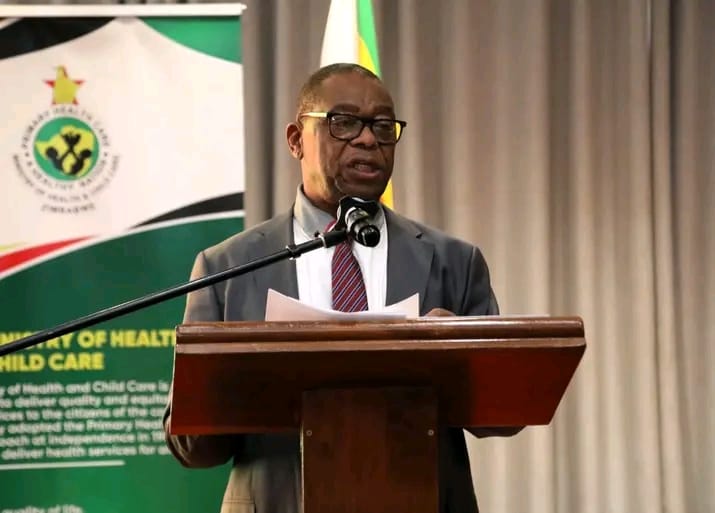
Deputy Minister of Health and Child Care, Hon Sithembiso Kwidini, made the call in Bulawayo during the Ministry’s Internal Review and Strategic Planning Meeting, which is assessing performance and shaping priorities towards 2030.
He said the meeting should not merely focus on reviewing reports, but should provide an opportunity for officials to confront challenges and agree on practical solutions.
“We cannot allow explanations to substitute for solutions,” said Hon Kwidini.
He said the National Health Strategy 2026–2030 had provided a strategic framework for the sector, but implementation should now translate the strategy into measurable improvements for citizens.
Deputy Minister Kwidini said challenges affecting the health sector were interconnected, with financing influencing procurement, procurement affecting the availability of medicines, human resources determining service delivery, and infrastructure shaping the quality of care.
He called for stronger collaboration between the Ministry and the Health Services Commission (HSC), as well as improved coordination among national departments, programmes, provinces, hospitals and other health institutions.
“The citizen must remain at the centre of everything we do,” he said.
Kwidini said citizens did not experience Government through organisational structures and reporting systems, but through the services they received at health facilities.
He said the availability of medicines, presence of health workers, responsiveness of ambulances and dignified treatment of patients were among the factors that determined public confidence in the health system.
The Deputy Minister also said the Ministry, working with the HSC, would undertake measures to restructure and realign operations and functions to improve effectiveness, efficiency and accountability.
He stressed that the exercise was not simply about changing structures, but ensuring that the Ministry had the appropriate functions, systems and personnel to effectively deliver its mandate.
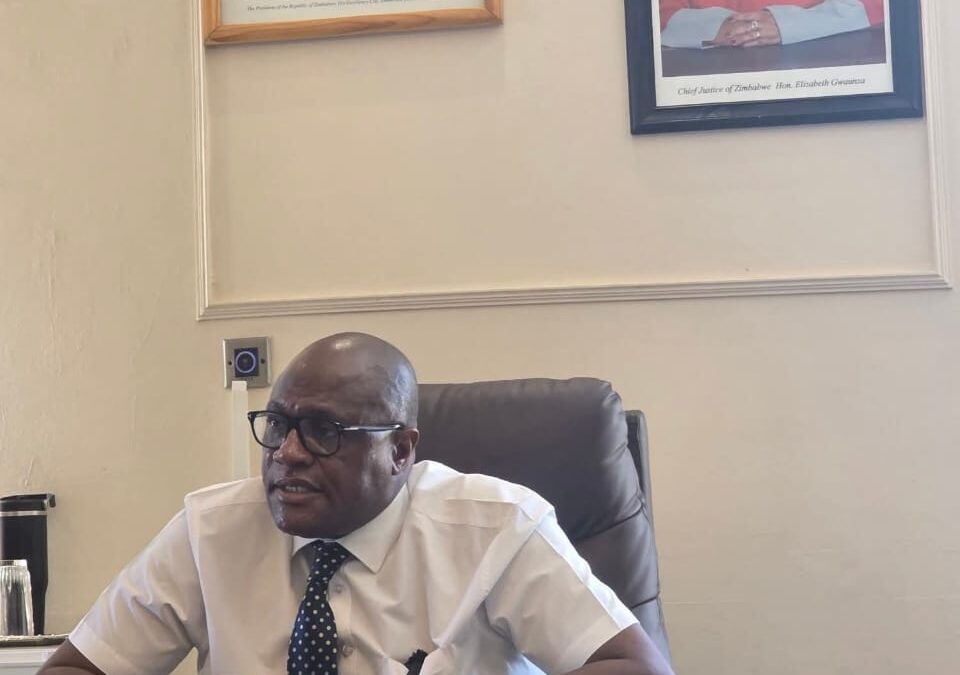
Meanwhile, HSC Secretary Dr Christopher Pamhidzai Pasi said citizens should remain the ultimate measure of the health sector’s performance.
He described the citizen as the “empty chair” in the meeting room, representing every Zimbabwean who depends on the public health system.
Dr Pasi said the focus should be on translating plans into tangible improvements in health services, warning that strategies would have little meaning if citizens did not experience better services.
Zimbabwe is targeting a Universal Health Coverage Service Coverage Index of 80 by 2030.
Dr Pasi said the creation of 14 069 additional health workforce posts, together with investments in workforce development, leadership training, digital systems and retention strategies, provided an important foundation for strengthening the health system.
However, he said expanding the workforce should ultimately result in improved services for citizens.
Dr Pasi challenged health managers to use data in decision-making, take ownership of their responsibilities, invest in staff and uphold integrity in the execution of their duties.
He urged managers to closely monitor key indicators, including vacancies, medicine availability, maternal and neonatal outcomes, and financial performance.
He also challenged each manager to identify at least one measurable improvement that could be attributed to their leadership before the Ministry’s next annual review.
As the Ministry prepares its 2027 Annual Plan, officials are expected to prioritise clear responsibilities, measurable targets and defined implementation timelines.
The meeting comes as Government intensifies efforts to strengthen the health system and ensure that national strategies translate into improved services and better health outcomes for citizens.