Bulawayo, (New Ziana) — Players across Zimbabwe’s tourism value chain have been urged to position themselves for the 2029 Intra-African Trade Fair (IATF), with the event expected to unlock investment opportunities in accommodation, transport, conferencing, entertainment and digital services.
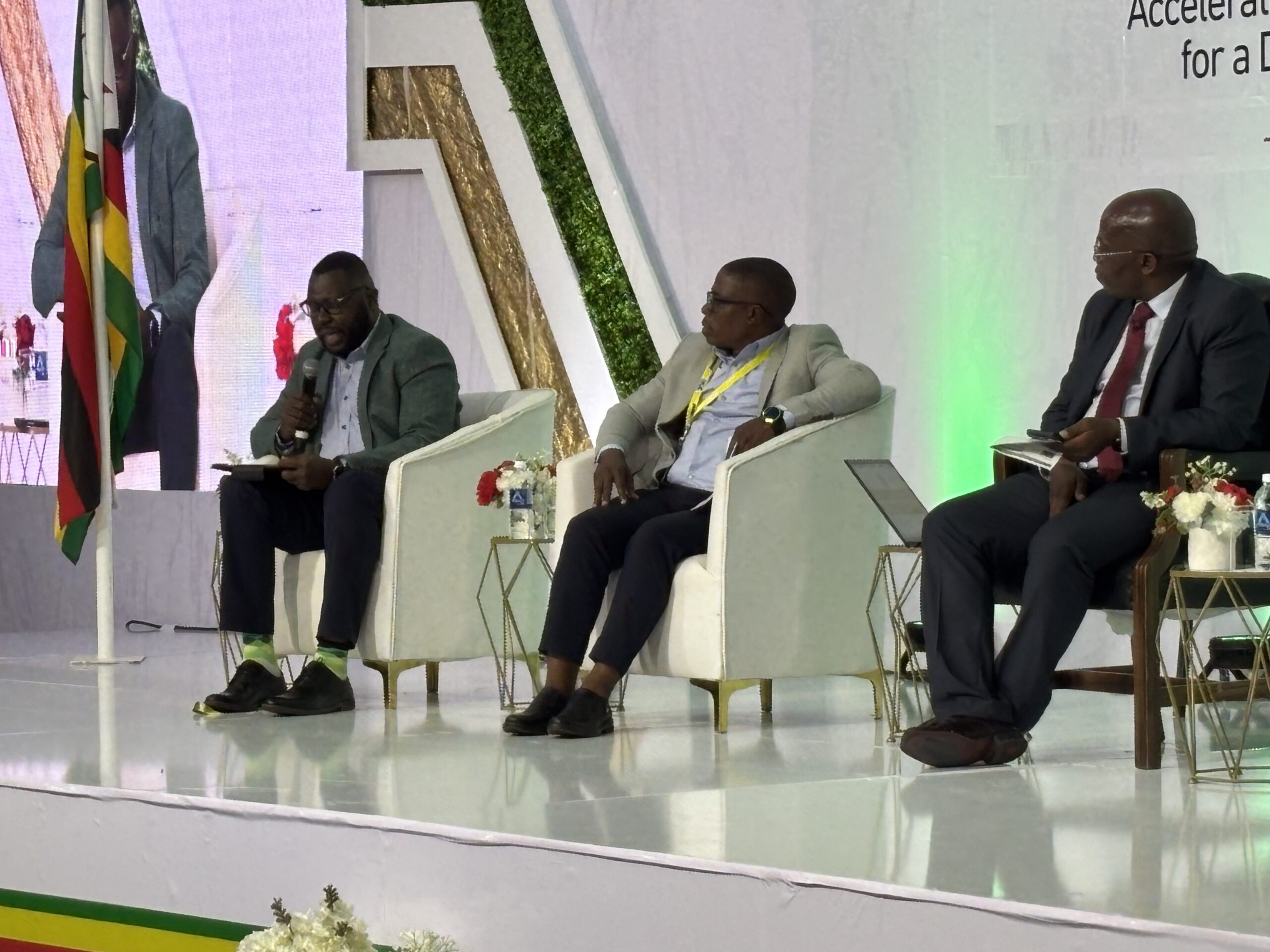
Tourism Business Council of Zimbabwe (TBCZ) acting chief executive, Christopher Sithole made the call during a panel discussion at the just ended National Competitiveness Commission’s (NCC) 2026 Competitiveness Summit, held in Bulawayo.
He said the country would require more than 20 000 five-star hotel rooms to cater for the IATF, creating room for businesses and investors to contribute to the sector’s growth.
The Intra-African Trade Fair is a biennial continental trade and investment platform organised by Afreximbank in partnership with the African Union Commission and the AfCFTA Secretariat.
It connects businesses, investors and governments to promote intra-African trade and investment opportunities.
Previous editions were hosted in Cairo, Egypt (2018); Durban, South Africa (2021); Abidjan, Côte d’Ivoire (2023); and Algiers, Algeria (2025).
“The forthcoming IATF presents an opportunity for all players in the tourism value chain to become part of the sector’s success story.
“We need more than 20 000 five-star rooms, and this is a chance for businesses to prepare and participate,” Sithole implored.
He also said the country is expected to host at least 112 000 international visitors between 2029 and 2033, further strengthening the case for early investment in tourism-related services.
Sithole encouraged prospective investors and entrepreneurs to begin preparing for the opportunities that will arise from the influx of visitors.
Finance, Economic Development and Investment Promotion Minister Professor Mthuli Ncube said the potential gains from hosting IATF 2029 extended well beyond hotel accommodation.
He said Harare currently has about 2 593 hotel rooms under construction, 2 402 rooms at tender or financial-closure stage, and a further 2 000 rooms planned under greenfield projects.
If completed, Prof Ncube said, the projects could increase the city’s room inventory from about 11 854 to 18 849, bringing it closer to the 20 000 rooms needed to support major international events such as IATF 2029.
“The demand extends beyond accommodation to exhibition and conferencing facilities, transport, entertainment, restaurants, retail, technology and destination experiences. The gap is therefore not a problem; it is an investment opportunity,” he said.
Government, the Minister added, remains committed to creating an enabling environment through improved infrastructure and connectivity, digital transformation, tourism development, and stronger partnerships with local and international investors.
Tourism attracted more than US$1 billion in investment during the National Development Strategy 1 period from 2021 to 2025, with the momentum continuing into 2026.
Investment in the sector rose from about US$190,5 million in 2024 to US$194,5 million in 2025. In the first half of 2026, Zimbabwe recorded approximately US$132 million in tourism investment, while first-quarter investment surged by 438 percent, he added.
“These are not merely statistics. They are signals of confidence. They show that investors increasingly view Zimbabwe not only as a destination, but as an investment opportunity,” Prof Ncube said.
International tourist arrivals in the country have surged by 6,1 percent in the second quarter of 2026 compared to the first quarter, while domestic tourism trips increased by 27 percent, from about five million in the first half of 2025 to 6,4 million during the same period this year.
New Ziana