Harare, (New Ziana) – Preliminary investigations into the Lake Kariba ferry disaster indicate that the ill-fated Mbuya Nehanda may have been carrying about 180 passengers and goods, roughly twice its authorized capacity of 90 people, when it capsized in heavy waves last week, killing at least 93 people.
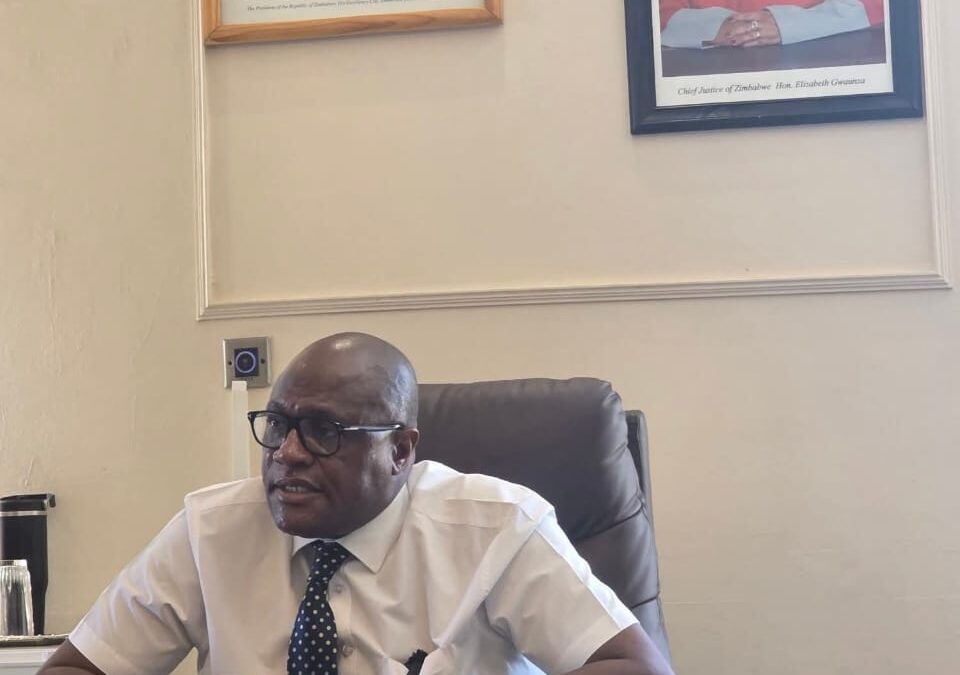
Acting Minister of Information, Publicity and Broadcasting Services Monica Mutsvangwa told journalists during the Tuesday post-Cabinet media briefing that the vessel, operated by the Rural Infrastructure Development Agency (RIDA), overturned on August 11 while travelling on Lake Kariba, with the number of people aboard significantly exceeding its certified carrying capacity.
“The nation is advised that preliminary investigations indicate that the Rural Infrastructure Development Agency (RIDA)’s Mbuya Nehanda ferry which capsized on Lake Kariba on 11 August, 2026 was ferrying about 180 passengers and goods, thus exceeding its carrying capacity,” she said.
The revelation has placed overloading, operational compliance and adherence to weather warnings at the centre of investigations into the country’s deadliest maritime disasters.
According to Mutsvangwa, the ferry reportedly capsized after being struck by strong waves, despite an early warning from the Meteorological Services Department advising lake users against sailing.
As of August 18, 77 passengers had been rescued, 93 bodies had been recovered and 7 people confirmed by relatives to have been aboard remained missing, according to the government’s latest update.
According to the figures, the confirmed number of people accounted for survivors, recovered victims and those still missing, stands at 176, although the final passenger manifest and circumstances surrounding the presence of additional people and goods aboard the ferry remain subject to investigation.
The government has since commenced formal investigations into the disaster, including an examination of the structural remains of the ferry and a probe into its operational and regulatory compliance.
Investigations are expected to establish, among other issues, how the vessel came to be carrying approximately twice its authorized passenger capacity, whether all relevant safety procedures were followed and why the ferry proceeded despite the weather warning.
The disaster has also raised broader questions about safety on Lake Kariba, where boats are an important means of transport for communities, fishing operations and people travelling between the lakeshore and remote settlements.
President Emmerson Mnangagwa has declared the accident a State of Disaster under Section 27(1) of the Civil Protection Act, directing authorities to provide affected families with funeral services, medical assistance and psychosocial support.
The government has subsequently engaged Doves and Nyaradzo Funeral Services to provide state-assisted burials, while the Department of Civil Protection continues coordinating search, rescue and recovery operations.
The Zimbabwe Republic Police Sub Aqua Unit, the Zimbabwe National Army Boat Squadron, local authorities and other stakeholders are involved in the operation while a privately owned helicopter from the Matusadona Conservation Trust has also been deployed to bolster the search.
“All Lake Kariba users are urged to remain vigilant and urgently report any floating objects,” Mutsvangwa said, as authorities continued efforts to locate the missing passengers and recover additional bodies.
Lake Kariba, formed following the construction of the Kariba Dam across the Zambezi River, is the world’s largest man-made lake by volume.
At full capacity, it stretches for about 282 kilometres, reaches up to 32 kilometres at its widest point and covers approximately 5 580 square kilometres.
The lake was created between the late 1950s and early 1960s following construction of the Kariba Dam, a massive engineering project that transformed the Zambezi Valley and displaced tens of thousands of Tonga people.
The filling of the reservoir also triggered the famous Operation Noah wildlife rescue operation, during which thousands of animals were rescued from rising waters.
Despite its economic and social importance, Kariba has also recorded a history of boating accidents with five people believed to have drowned after a boat capsized in July 2021, with the incident attributed by witnesses to strong waves.
Earlier reports also highlighted concerns over overloading and safety compliance on smaller vessels.
Another fatal incident occurred in September 2023 when a dinkey boat capsized near Tsetse Island, killing four people with the police subsequently urging members of the public to exercise greater caution when using boats on the lake.
The scale of the latest disaster, however, is unprecedented in recent Lake Kariba history, with the death toll now standing at 93.
Government investigations will therefore be closely watched as authorities seek to establish whether the tragedy was caused solely by adverse weather conditions or whether overloading, operational failures, structural weaknesses and possible breaches of safety regulations contributed to the catastrophic loss of life.
For the families still waiting for their loved ones to be accounted for, however, the search remains the immediate priority with Soda saying further updates would be issued as search, rescue and recovery operations continue.
New Ziana