By Johnson Siamachira
Harare, (New Ziana)— Zimbabwe aims to more than double annual commercial milk production to 200 million litres by 2030, anchored on innovation, climate resilience and farming efficiency, Agriculture, Mechanisation and Water Resources Development Minister, Dr. Anxious Masuka has said.
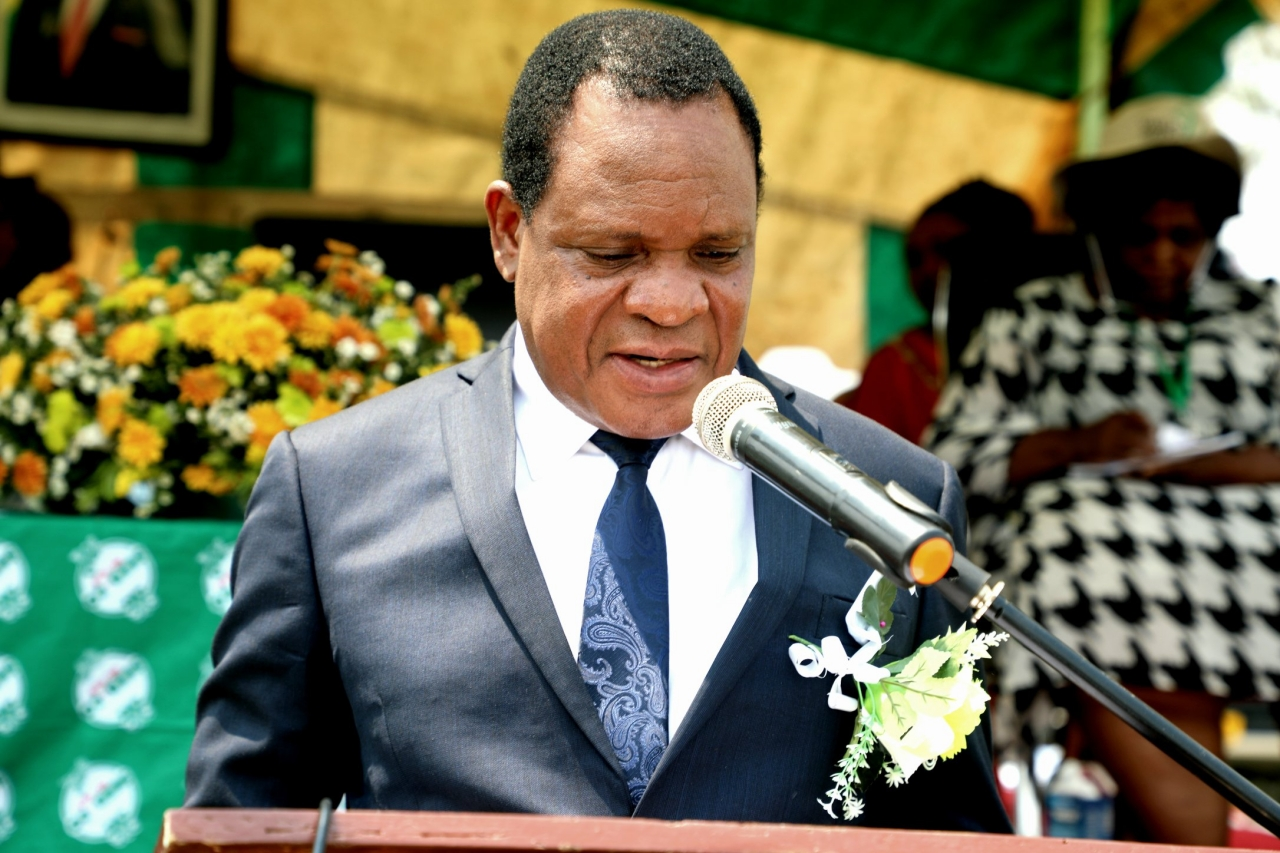
Speaking at the Zimbabwe Association of Dairy Farmers (ZADF) 12th Annual General Meeting in Harare, he said the dairy industry had made significant gains over the years, but still faced high production costs, climate-related risks and infrastructure constraints that threaten long-term growth.
The annual meeting, held under the theme: “Driving Sustainability, Innovation and Efficiency in Inclusive Dairy Farming,” brought together farmers, processors, financial institutions, researchers, development partners and government officials to review the sector’s performance, and map priorities for the coming year.
The AGM comes as Zimbabwe’s dairy sector continues its strongest recovery in decades. Commercial milk production has climbed up steadily over the past six years, reducing national reliance on imports, although output still falls short of national demand.
Government and industry leaders say sustained investment in animal health, feed production, infrastructure and value addition will determine whether Zimbabwe achieves milk self-sufficiency and becomes a competitive regional producer.
“Commercial milk production increased to approximately 122 million litres in 2025, while the national dairy herd grew to around 70,000 milking cows,” Dr Masuka said.
“These achievements demonstrate the resilience of our farmers and the positive impact of collaboration between Government, dairy farmers, processors, development partners and private investors.”
He said Zimbabwe currently consumes about 150 million litres of milk annually, leaving a supply gap despite recent production gains.
Dr Masuka pledged continued government support through improved access to finance, veterinary services, extension support and infrastructure development under the Agriculture, Food Systems and Rural Transformation Strategy II.
He announced plans to expand the government’s partnership with ZADF beyond the existing Foot-and-Mouth Disease vaccination programme into a National Dairy Herd Vaccination Programme covering dairy farmers across all production systems.
He credited the vaccination programme with helping protect Zimbabwe’s dairy herd despite Foot-and-Mouth Disease outbreaks in neighbouring South Africa.
Dr Masuka also called for greater investment in locally produced livestock feed, pasture development and improved cattle genetics to reduce production costs, saying government would continue supporting the Resilient African Feed and Fodder Systems (RAFFS) project.
He urged processors, financial institutions, researchers and development partners to deepen collaboration to modernise the dairy value chain.
Zimbabwe recently hosted the International Dairy Federation Regional Dairy Conference for Africa, attracting delegates from 19 countries, and leading to the launch of the Dairy Africa Alliance, a regional platform intended to strengthen investment, knowledge sharing and cross-border cooperation.
In addition, Dr Masuka said the African Continental Free Trade Area presented new export opportunities but warned that Zimbabwe must improve efficiency from farm to retail shelf to compete with larger regional producers such as South Africa.
He also encouraged measures to boost domestic milk consumption, including affordable pricing, school milk programmes, consumer awareness campaigns and greater production of value-added dairy products.
Women and youth remain central to government plans for the sector, Dr Masuka said, noting that the United Nations had designated 2026 as the International Year of the Woman Farmer.
He said government would continue expanding women’s and young people’s access to finance, technology, markets and leadership opportunities.
Zimbabwe’s dairy industry has rebounded sharply after production collapsed from a record 262 million litres in 1990 to below 37 million litres by 2009.
Output has since risen from 76.7 million litres in 2020 to a record 121.8 million litres in 2025, driven by herd rebuilding, private-sector investment and improved farmer support.
Official figures show production reached about 40 million litres during the first four months of 2026, keeping the sector on course for another year of growth.
New Ziana