
Masvingo (New Ziana) –THE High Court in Masvingo has been commended for its sterling work during the 2022 legal year after it achieved a 99 percent case clearance rate.
The Masvingo High Court has two judges instead of three.
Speaking during the official opening of the 2023 legal year on Monday, Constitutional Court Judge Justice Rita Makarau said the good turn on the cases from the Masvingo High Court should be a source of pride to the Judicial Service Commission as an example of the efficient deployment of staff and resources.
Out of the 2 117 cases filed with the court during the course of the year, 58 were brought forward from 2021.
Of these, 2 094 cases were completed leaving only 23 that would be carried forward into this year, making a 99 percent case clearance rate.
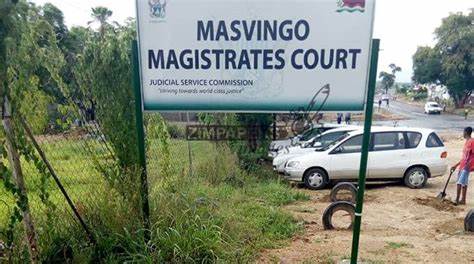
In a related development, the Masvingo magistrates court received 7 799 criminal cases during the course of the year and completed 7 795 while the civil division completed a total of 5 572 cases and left a balance of only 71.
“I am pleased to report that notwithstanding the increase in the number of cases filed with the courts, 2022 has been fairly congenial for both the High Court and the Magistrate courts in Masvingo. The High Court performed well despite the fact that it was manned by only two instead of usual three judges.
“I wish on behalf of the community here in Masvingo, to commend the two Judges for their hard work and for keeping the menace of a backlog at bay. It is apparent that the High Court here in Masvingo has set very high standards for itself and the hard work of the two judges can only serve as an inspiration to other judges at other stations.”
During the official opening of the 2022 legal year, the two judges, Justices Garainesu Mawadze and Sunsleey Zisengwe were again commended for their performance during the preceding year by Constitutional Judge Justice Paddington Garwe.
Meanwhile, Justice Makarau commended the Masvingo senior lawyers for taking on their responsibilities seriously and setting a good example for their colleagues everywhere else.
“I am informed that the legal practitioners here do not shrink their responsibilities to represent those who are accused of crime and cannot afford to pay for their legal representation. Local legal practitioners dutifully take on such cases without flinching and rarely request for postponements of matters already set down.
I could, but will not, name places where the legal practitioners will employ every trick in the book to avoid pro deo (free of charge) matters and, where they cannot do so without facing sanction, will palm off the case to the most junior member of their law firms,” she said.
New Ziana