By Tapiwa Chawagarira
GWANDA — Sports stakeholders in Matabeleland South have been challenged to make anti-doping education an integral part of their daily sporting activities as Zimbabwe intensifies its efforts to promote clean, safe, and fair competition.
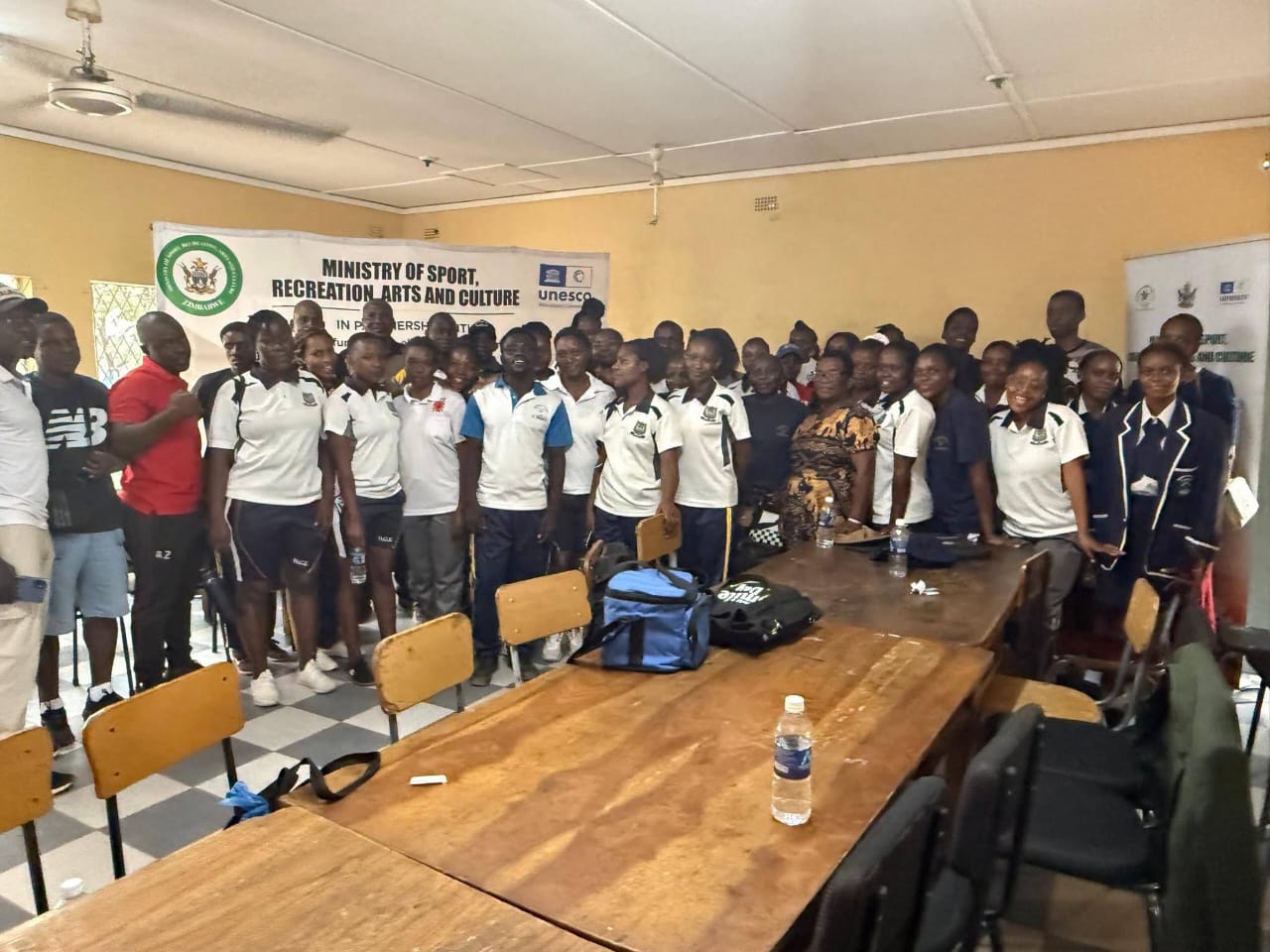
The call was made during a two-day Clean and Safe Sport Capacity-Building Workshop held in the province as part of a nationwide anti-doping education programme implemented by the Ministry of Sport, Recreation, Arts and Culture in collaboration with UNESCO.
The programme is conducted in accordance with the principles of the UNESCO International Convention against Doping in Sport and aims to equip athletes and those working with them with the knowledge to prevent doping violations.
Athletes, coaches, sports administrators, and trainers participated in the Matabeleland South engagement, where emphasis was placed on understanding anti-doping rules and ensuring that athletes are aware of both their rights and responsibilities.
Key areas covered included Anti-Doping Rule Violations (ADRVs), the Prohibited List, Therapeutic Use Exemptions (TUEs), supplements, and Values-Based Education.
Participants also took part in practical role-play sessions designed to equip trainers with the skills required to pass on anti-doping education to athletes and other members of their sporting structures.
This approach is expected to strengthen the capacity of sporting organisations to incorporate anti-doping education into their regular programmes, rather than treating it as an occasional intervention.
The workshop also highlighted the importance of athletes understanding what they consume and the regulations governing substances and medications used in sport, especially as they progress to higher levels of competition.
Through the initiative, organisers seek to build a sporting environment in which athletes can compete with a clear understanding of the rules, their rights, and their responsibilities.
The Matabeleland South engagement is part of broader efforts to strengthen anti-doping literacy and institutional capacity across Zimbabwe.
The initiative is implemented with the support of UNESCO, the Sports and Recreation Commission Zimbabwe, and the Zimbabwe National Boxing and Wrestling Control Board.