

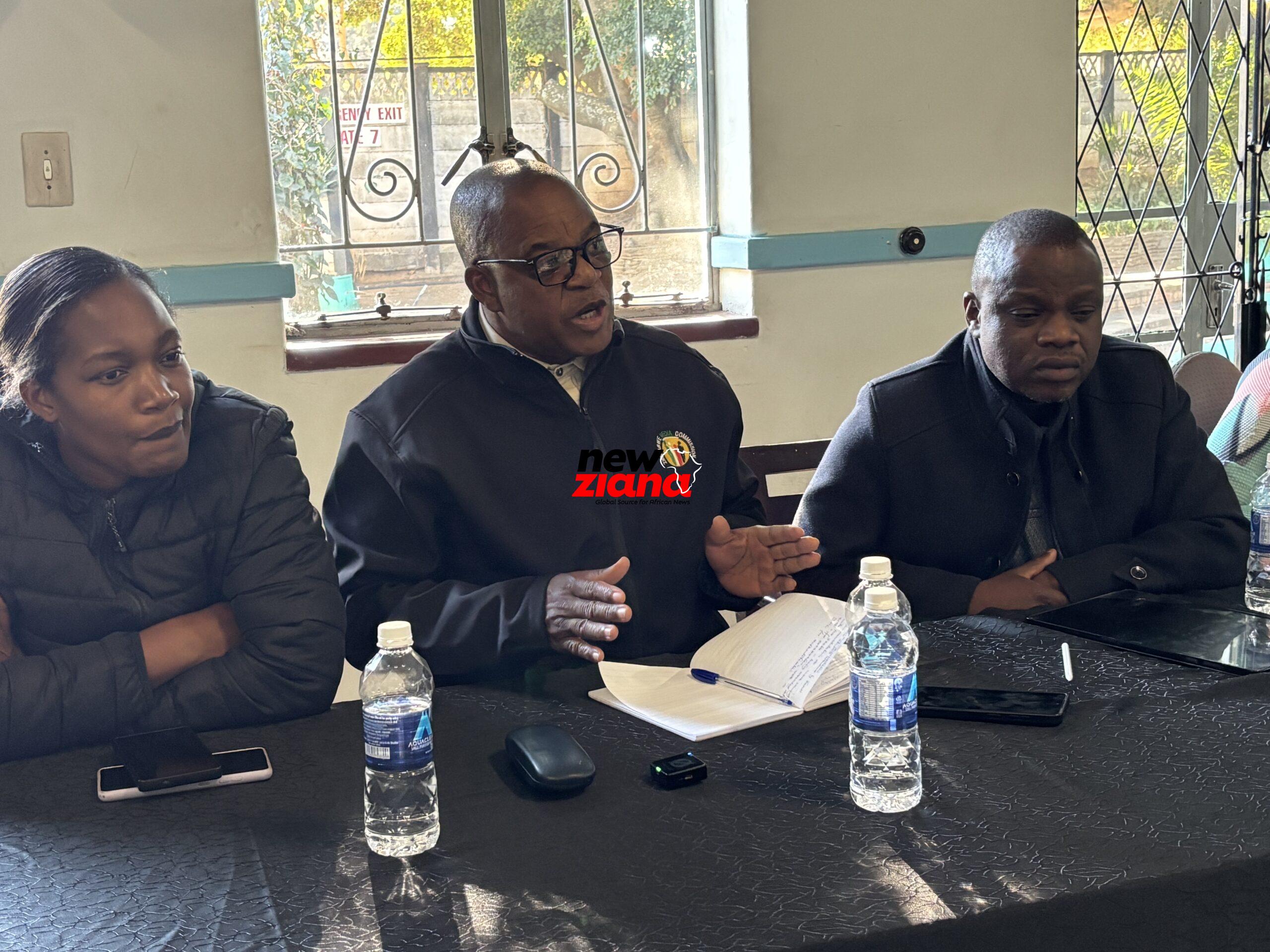
Bulawayo, (New Ziana)-Bona fide media practitioners have been urged to organise themselves into strong associations and press clubs to protect their professional space amid growing competition from content creators.
Zimbabwe Media Commission (ZMC) chief director Academy Chinamhora made the call during an interactive engagement with media-sector stakeholders at the Queens Press Club in Bulawayo.
The meeting brought together ZMC officials, media and legal practitioners as well as media consultants to discuss ways of strengthening the sector and enhancing the capacity of journalists amid the rise of social media and artificial intelligence, which has fuelled the proliferation of news outlets and content creators.
Chinamhora said traditional journalists need a united voice to engage event organisers and institutions over accreditation, access and preferential consideration for established media houses.
“I think we need to be organised a bit more. As bona fide media practitioners, we need to stand out from the rest so that we are recognised,” he said.
He said the growing number of content creators seeking access to events had created competition for limited media spaces, particularly at major public gatherings where organisers have the final say on who is admitted.
“In terms of control into an event, it is the prerogative of the organiser. But I think as a press club, if we have got a strong front, we can represent and push our cause,” he said.
Chinamhora said Bulawayo Metropolitan province has more than 500 registered media practitioners, yet some events can only accommodate a limited number of reporters, a situation which called for formal arrangements between organisers and professional media associations.
He noted that institutions such as the Zimbabwe International Trade Fair (ZITF) would benefit from maintaining structured working relationships with established journalists, who have a more permanent presence than what he described as “fly-by-night” operators.
“Traditional media should not be crowded out,” he said, adding that the objective was not to exclude content creators but to ensure professional journalists were given fair and consistent access to cover events.
Chinamhora proposed that press clubs compile verified lists of journalists by speciality, including sports, business and other beats, with such lists submitted to the ZMC and shared with institutions and event organisers.
“At some point, you need to have a bona fide list of sports presenters, business reporters and so forth. Then you can submit it to ZMC to assist us to engage these institutions, like ZITF and everyone, so that when there are events, they know the people to contact,” he said.
He cited sports accreditation systems as a possible model, saying football authorities had introduced second accreditation processes to manage the high number of journalists seeking to cover matches.
Chinamhora also urged journalists to uphold professional conduct, saying some practitioners had damaged the industry’s image through disruptive behaviour at venues.
“We need to cleanse ourselves also, because we are not all saints. There are people who are spoiling our image and causing restrictions because organisers no longer know who is a bona fide journalist,” he said.
He encouraged journalists to be proactive in engaging major institutions to secure recognition and sustainable access arrangements for accredited media practitioners.
New Ziana