By Sharon Chimenya
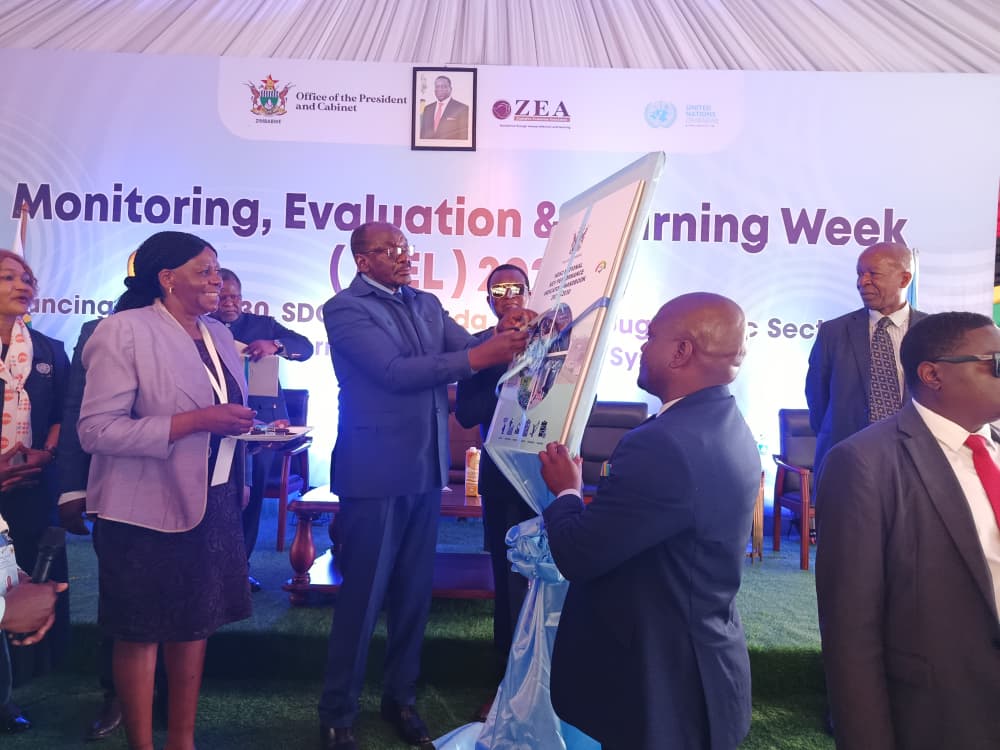
MASVINGO — Monitoring, Evaluation, and Learning (MEL) is no longer an optional framework; it is now a strategic imperative to guarantee observable results and ensure that no person or place is left behind, Vice President Dr. Kembo Mohadi has said.
He made these remarks during the official opening of the 2026 MEL Week in Masvingo, which is running under the theme “Advancing Vision 2030, SDGs, and Agenda 2063 through Public Sector Service Delivery, Transformation of MEL, and Data Systems.”
Addressing delegates, VP Mohadi acknowledged systemic challenges—particularly with data integration and institutional coordination—and stated that operational setbacks must not deter the nation from achieving its socio-economic targets.
“As correctly pointed out at this conference, there are still issues we need to address, especially regarding data systems, institutional coordination, and public service delivery,” he said.
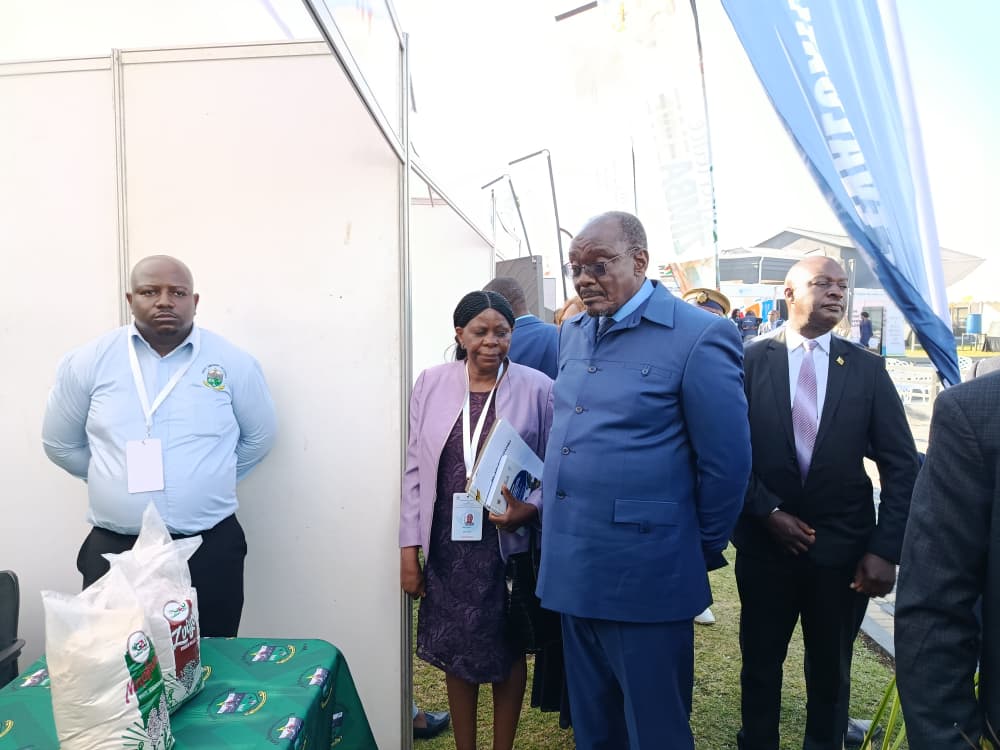
“We must not let any of these obstacles stop us from achieving our goals. Instead, these challenges should strengthen our resolve to innovate, adapt, and deliver outcomes consistent with an upper-middle-income society.”
VP Mohadi stressed that systematic evaluation is fundamental to effective governance and fiscal accountability.
“It is no longer optional for us to monitor, evaluate, and learn—it is now a strategic imperative. This guarantees that government initiatives provide observable outcomes, public resources are used effectively, no person or location is left behind, and citizens receive high-quality services. I express my gratitude to the organisers for institutionalising this significant forum as an annual event to strengthen our governance architecture.”
The Vice President noted that the MEL platform has successfully established a multi-sectoral community of practice—uniting government agencies, academia, the private sector, civil society, and international development partners to evaluate whether national development programs are genuinely improving lives.
He further advocated for the integration of real-time data into high-level policy decisions, describing timely information as the foundation of modern governance.
“Central to all economic and social growth in this digital age is data—it has become the new currency of development. The timely availability of accurate data provides empirical feedback on whether our policies, strategies, programs, and projects are meeting grassroots expectations,” he stated.
“Data clarifies whether to sustain, adjust, or discard specific initiatives by answering fundamental questions: Are citizens benefiting? Who is benefiting? Who is being left behind, and why? Consequently, we must strengthen national data systems by integrating cutting-edge technology such as Artificial Intelligence (AI), encouraging real-time decision-making, and investing in capacity building, particularly for young and emerging evaluators.”
Drawing parallels to the conference’s host city, VP Mohadi urged participants to draw inspiration from the architectural and organisational legacy of Great Zimbabwe to build enduring national systems.
“As we convene in this historically significant city of Masvingo, let us take inspiration from our past to define our future. The builders of Great Zimbabwe demonstrated vision, unity of purpose, organisation, and a passion for quality. In the same spirit, we must build strong institutions, reliable processes, and a resilient economy,” he said.
VP Mohadi called on public servants at all levels of governance to uphold high standards of service delivery and evidence-based decision-making to achieve Vision 2030.