By Johnson Siamachira
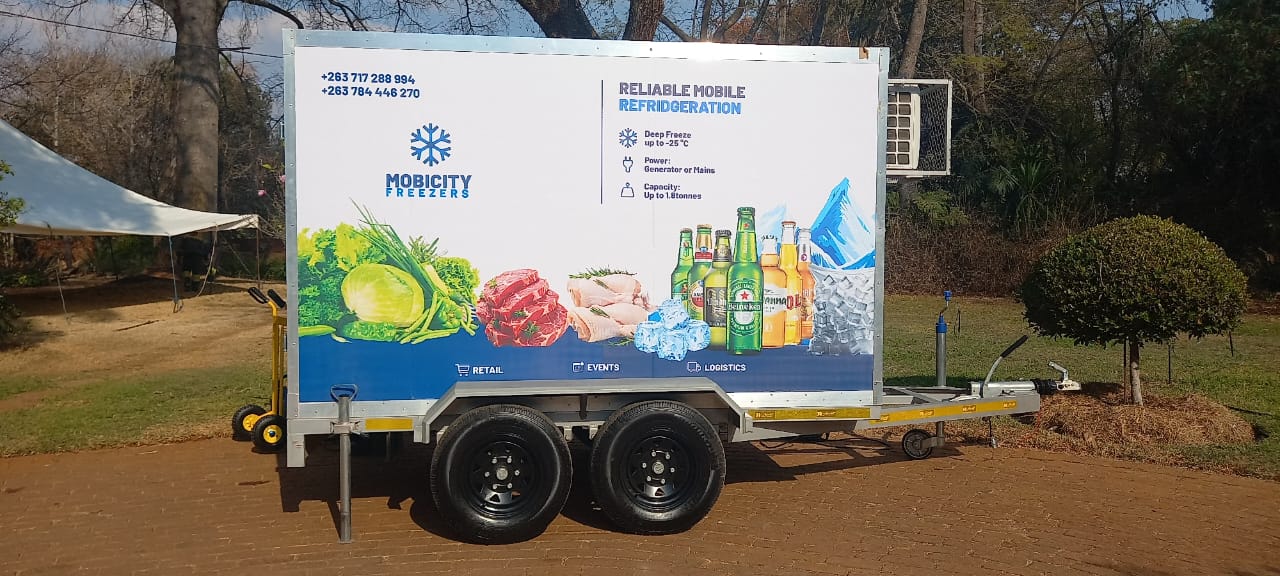
Harare, (New Ziana) — A Zimbabwean company has introduced mobile freezer trailers aimed at helping businesses protect temperature-sensitive products during power disruptions, equipment breakdowns and periods of peak demand.
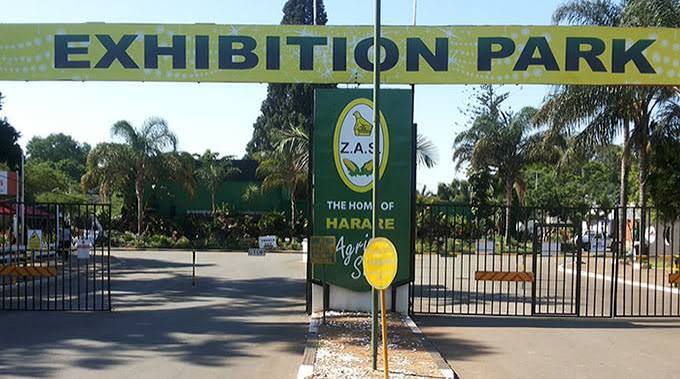
Mobicity Freezers Zimbabwe launched the towable refrigeration units at the 2026 Harare Agricultural Show, which runs through Saturday, targeting agriculture, retail, hospitality, food processing, logistics, mining and events.
The launch comes as Zimbabwe seeks to reduce post-harvest food losses by improving storage, processing and cold-chain infrastructure. The Food and Agriculture Organization(FAO) said in May that weak post-harvest infrastructure, including inadequate cold chains and storage, continues to erode the value of agricultural production. Government and FAO have since established a national technical working group to address food losses and accelerate agro-processing.
The mobile units are designed to provide temporary refrigeration where permanent cold-storage infrastructure is unavailable or disrupted, potentially extending the period in which perishable products can remain marketable while reducing losses along the farm-to-market chain.
“Our main objective is to provide businesses with a reliable backup when their refrigeration systems fail or when they need additional capacity,” said Innocent Chamisa, director of Mobicity Freezers.
“We can bring the freezer to the customer instead of the customer having to move the products to a cold room.”
The trailers can reach temperatures of about minus 25 degrees Celsius and hold up to 1.8 tonnes of products, according to the company. They can operate on mains electricity or generators, while solar-powered options are planned.
Chamisa said the service could assist farmers and traders transporting horticultural produce, including fruits, vegetables, flowers and herbs, as well as businesses handling meat, fish, poultry and dairy products.
“Cold-chain breaks can mean losses, particularly for products that cannot withstand temperature fluctuations,” he said.
Zimbabwe’s post-harvest losses remain a significant concern. FAO reported in May that annual post-harvest losses can reach 16.5 per cent, while the country’s agricultural policy framework identifies improved storage, handling and preservation as priorities.
FAO has also identified cold-chain infrastructure as important for maintaining food quality and safety from production to consumption. Temperature control slows microbial growth and helps reduce contamination risks.
Zimbabwe’s growing climate variability adds pressure to food-storage systems. FAO has warned that the 2026/27 agricultural season is likely to face increasing climate-related variability, strengthening the need for resilient agricultural supply chains.
Chamisa said Mobicity would initially concentrate on providing emergency and supplementary refrigeration rather than replacing permanent cold-storage facilities.
“Our role is to close the gap where businesses need extra capacity or where their normal cold-storage system is temporarily unavailable,” he said.