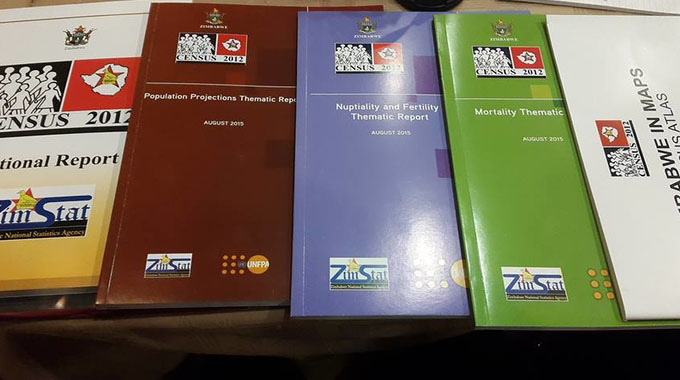
Harare, (New Ziana)– As part of efforts to enhance service delivery, attract investment, and promote local economic development, the National Competitiveness Commission (NCC), in partnership with the Zimbabwe Statistics Agency (ZimStat), will undertake a nationwide survey aimed at measuring and bench-marking the competitiveness of all local authorities.
The survey, titled the ‘2026 Rural and Urban Councils’ Competitiveness Index (RUCCI), will be conducted from July 3 to July 26 and will cover all rural and urban councils in the country.
It will also complement the Citizens Engagement Scoring Platform, which was launched by President Emmerson Mnangagwa last week as part of efforts to enhance accountability and citizen participation in governance.
Under the assessment, local authorities will be evaluated across six key competitiveness pillars: governance efficiency, economic dynamism, infrastructure development, innovativeness, resilience, as well as smartness and cleanliness.
In a statement, the NCC said the exercise builds on lessons learned from the 2025 pilot programme and incorporates input from the Ministries of Local Government and Public Works, and Industry and Commerce, to strengthen the survey methodology and data collection instruments.
“RUCCI is a pioneering initiative designed to measure, benchmark, and enhance the competitiveness of local authorities. Businesses operate within local authority jurisdictions, and the quality of the local business environment plays a significant role in influencing investment decisions, enterprise growth, job creation, and broader economic transformation.
“The survey seeks to generate objective performance indicators that will enable councils to identify areas requiring improvement and implement reforms aimed at improving service delivery for both residents and the business community,” the NCC said.
The initiative comes as the Government intensifies efforts to improve the ease of doing business and strengthen local governance systems in pursuit of broader economic transformation and sustainable development goals.
The NCC noted that international experience has shown that competitive local authorities serve as engines of economic growth by creating conducive environments for investment, innovation, business expansion, and improved living standards.
“To ensure the credibility and comprehensiveness of the findings, data collection will combine scientifically designed stakeholder surveys with administrative data obtained from a range of institutions,” the commission added.
The commission said the results will provide valuable evidence to support policy reforms focused on improving municipal service delivery, reducing the cost of doing business, and strengthening investment promotion initiatives at the local level.
RUCCI is expected to become an annual assessment tool, enabling local authorities to monitor their progress over time while providing the Government and stakeholders with measurable indicators of governance performance and competitiveness.
Annual rankings and scorecards generated through the survey will assist councils in bench-marking their performance against peers, identifying strengths and weaknesses, and adopting best practices from higher-performing local authorities.
The NCC has urged local authorities, business member organisations, residents’ associations, community leaders, businesses, and residents to cooperate fully with enumerators during the survey period to ensure the success of the exercise.
New Ziana