Princess Sibanda
Beitbridge— More than 100 000 Zimbabweans have now crossed back home from South Africa, marking a massive wave of return migration that has put their immediate survival and long-term reintegration at the centre of national attention.
Among these returnees- forced by afrophobia- over 30 000 have been safely brought back through coordinated government repatriation programmes, while the remaining 70 000-plus have made the journey back independently. This rapid influx has severely strained essential services at the border, creating an urgent demand for emergency logistics and transport to help families reach their home communities.
Also there is now need for critical health and sanitation support, highlighted by a 24-hour clinic at the Beitbridge Reception Centre that has already treated over 1 200 returnees over the past two weeks following the June 30 deadline set by South African vigilantes who are demanding that all black foreigners must leave South Africa.
The returnees need immediate humanitarian aid, including temporary shelter, clean water, and food assistance to help them reintegrated into the communities they left years ago and establish new lives and find work.
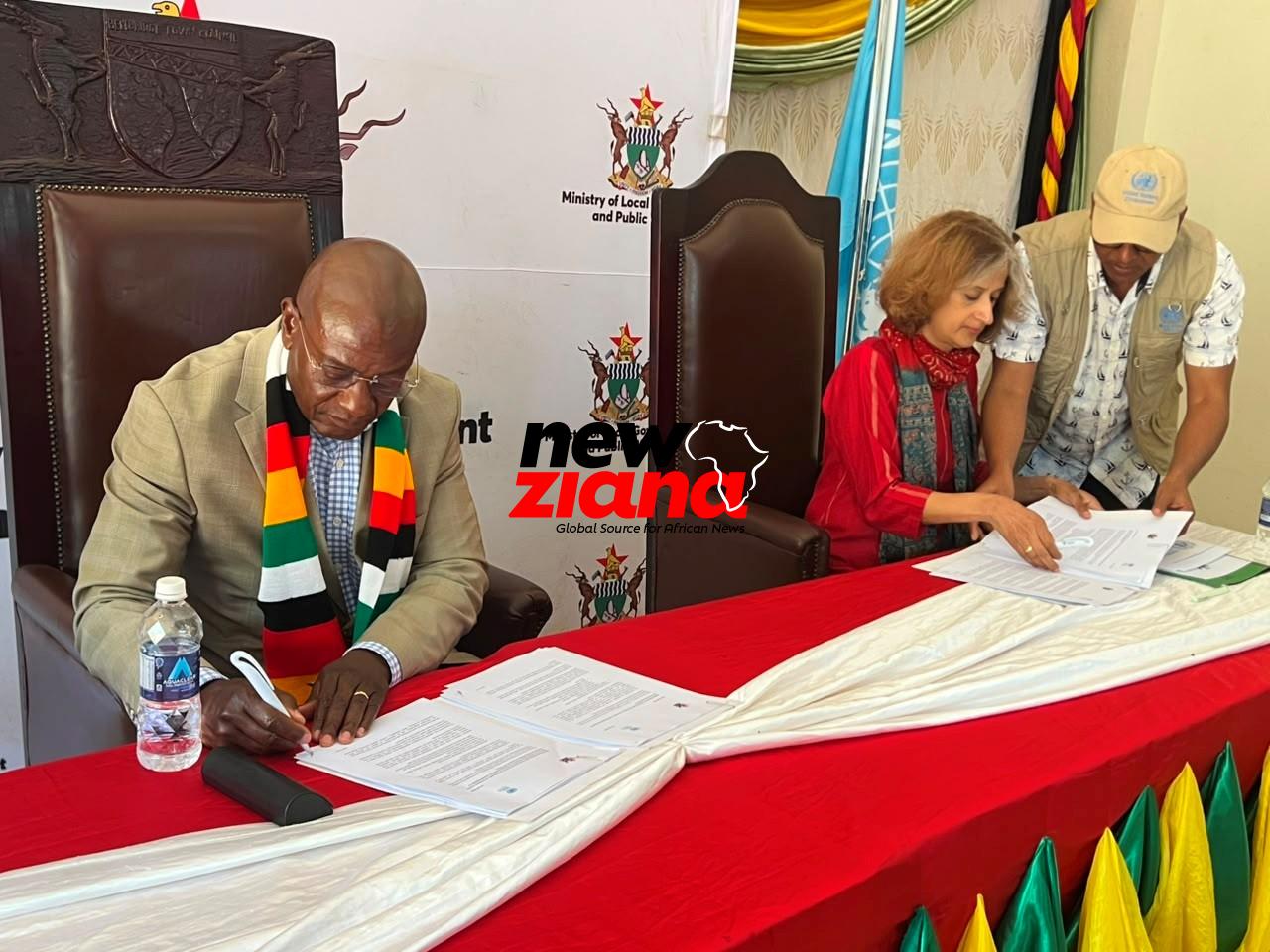
Addressing these mounting challenges, the Minister of Local Government and Public Works, Daniel Garwe, who visited the Centre today, emphasised that Zimbabwe cannot shoulder this humanitarian task alone.
Speaking during a Joint Resource Mobilisation Meeting and tour of the Beitbridge Reception Centre, Garwe made an urgent plea for increased funding and stronger partnerships.
“The figures continue to rise and demonstrate the magnitude of the challenge before us. They also underscore the importance of sustained collaboration and resource mobilisation to support both immediate humanitarian needs and long-term reintegration requirements.”
Garwe explained that under the directive of President Emmerson Mnangagwa, the government is looking far beyond the border. Rather than simply receiving people, the state is implementing a three-pronged framework focusing on social, economic, and cultural integration to ensure returnees can rebuild their lives with dignity.
He pointed to significant upgrades already made to the Beitbridge facility’s water, sanitation, and medical infrastructure. However, he warned that the sheer volume of arrivals continues to overwhelm local resources, making further international and private-sector backing vital.
Echoing the call for human-centered action, the newly appointed United Nations Resident and Humanitarian Coordinator for Zimbabwe, Dr. Rosemary Kalapurakal, urged stakeholders to look past the data.
“These are not just numbers. They are children, women and families facing uncertainty. The needs are clear, and we must continue working together through stronger coordination, better information management and practical solutions that allow people to rebuild their lives.”
Dr. Kalapurakal commended the government’s leadership in safely transporting tens of thousands of citizens home, and she firmly recommitted the United Nations to supporting Zimbabwe’s national response plan.
The meeting in Beitbridge brought together a diverse coalition of stakeholders determined to coordinate their efforts, including senior government officials driving national policy; United Nations Agencies and Humanitarian Partners aligning technical and financial aid; faith-based organisations and traditional leaders anchoring local community acceptance.
Also present were private sector representatives looking to back economic reintegration.
Through specialised technical subcommittees, these stakeholders reviewed critical progress reports on health, logistics, food, and protection, mapping out the next steps to turn this massive migration challenge into a genuine opportunity for national resilience.