
By Eugenie Muchetu
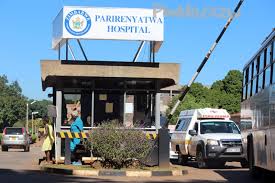
Harare (New Ziana) –The oncology and radiotherapy department at the Parirenyatwa Group of Hospitals, the largest referral institution in the country, is grappling with immense challenges as demand for cancer treatment continues to outpace available resources.
The department treats hundreds of patients each month, with about 140 new cases recorded on average but despite this, shortages of specialized professionals, limited bed capacity, high costs, inconsistent supplies of essential cancer drugs and consumables remain pressing obstacles.
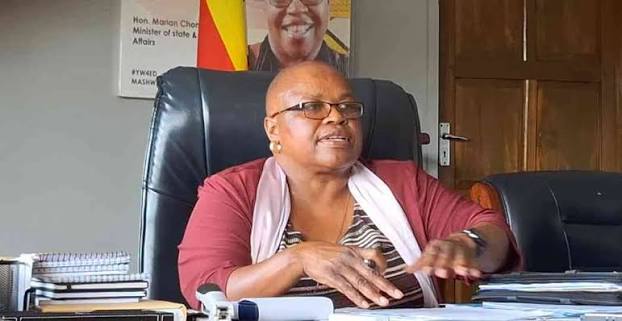
“Our main challenges include high patient load versus limited bed capacity and staff. The high cost and inconsistent supply of essential drugs and consumables. The maintenance and upgrading of sophisticated diagnostic and treatment equipment. The need for more specialized healthcare professionals, including oncologists, physicists, and oncology nurses. The financial and emotional strain on patients and their families,” said Dr Nothando Christagirl Mutizira, head of the Oncology Radiotherapy Department in an interview with New Ziana.
She said the cost of cancer treatment is a significant barrier for most patients as, while some services may be subsidized, many patients have to pay out-of-pocket for diagnostic tests, drugs, and treatment sessions which many medical aid societies do not cover the full cost.
“Our pharmacy strives to maintain a consistent supply of essential cancer drugs on the national formulary. However, we face challenges with the supply chain, cost fluctuations, and foreign currency shortages, which can occasionally lead to stockouts of certain specialized or second-line drugs,” she said.
Currently, the institution operates with only eight clinical oncologists, three paediatric oncologists, and a small but dedicated team of surgeons, pathologists, radiologists, and oncology nurses who collectively manage the cancer patients.
While essential equipment such as linear accelerators for radiotherapy and CT scanners for imaging is available, Dr Mutizira noted that significant challenges remain.
“The equipment is extremely expensive to procure and maintain, often requiring foreign currency. The need for specialized technicians also poses operational challenges. Affordability for the institution is a major hurdle,” said Dr Mutizira.
Despite these constraints, Parirenyatwa continues to provide chemotherapy, radiotherapy, brachytherapy, surgery, and targeted therapies where possible, with the effectiveness of treatment, however, depending heavily on early detection.
Dr Mutizira explained that for early-stage cancers like cervical and breast cancer, treatment could be highly effective with good long-term survival rates while for late-stage disease, treatment is often palliative, aimed at improving quality of life and managing symptoms.
She highlighted barriers to early diagnosis, including low public awareness of early signs and symptoms, long travel distances to diagnostic centres, high screening costs, and a shortage of specialized facilities and personnel, particularly in rural areas.
“This often leads to patients presenting with advanced-stage disease, which is harder to treat. This leads to a high number of end-stage treatments,” explained Dr Mutizira.
She urged the public to take preventive measures like abstaining from smoking, eating healthy and participating in screening programs, stressing that cancer is not a death sentence, especially when detected early.
Looking ahead, Dr Mutizira said the health system could better support cancer patients through increased government funding for oncology services, decentralization of cancer care to provincial hospitals, strengthening the drug supply chain, investing in specialist training and retention of oncology specialists, as well as expanding national health insurance to cover cancer treatment costs more comprehensively.
New Ziana