By Antony Chawagarira
HARARE — Parliament has called for urgent reforms in Zimbabwe’s sugar industry, including cheaper financing, improved rail transport and increased competition in milling, as part of efforts to reduce production costs and strengthen the sugar value chain.
The call was made by the Parliamentary Portfolio Committee on Industry and Commerce in a report presented to Parliament by its chairperson, Clemence Chiduwa, following an inquiry into the sugar value chain.
The committee said high financing costs, expensive inputs, infrastructure challenges and market concentration were undermining the competitiveness of the sugar industry and limiting its contribution to national development.
It recommended that the Ministry of Finance, Economic Development and Investment Promotion, in collaboration with the Reserve Bank of Zimbabwe, establish a concessional financing facility by December 2026, offering interest rates below 15 percent to players in the sugar value chain.
The facility would support sugar producers and other players with funding for operations, expansion and refining activities, which require significant capital investment.
The committee also called on the Mutapa Investment Fund to recapitalise the National Railways of Zimbabwe by December 31, 2026, to improve the transportation of sugarcane and distribution of finished sugar products.
It said an efficient rail system would help reduce transportation costs, particularly for farmers located far from the country’s sugar mills.
The committee further recommended that the Ministry of Lands and Rural Development provide bankable land tenure instruments to at least 70 percent of out-grower farmers within two years to improve their access to credit.
Out-grower farmers account for a significant portion of Zimbabwe’s sugarcane production, but some have struggled to access affordable bank financing because of land tenure arrangements that do not provide sufficient security to lenders.
The committee also urged the Zimbabwe National Water Authority and the power utility to prioritise the sugar industry and ensure reliable supplies of water and electricity.
It proposed the establishment of an additional sugar mill at Mkwasine, with a processing capacity of between 5,000 and 10,000 tonnes of cane per day, saying this would reduce transportation distances and introduce competition into the milling sector.
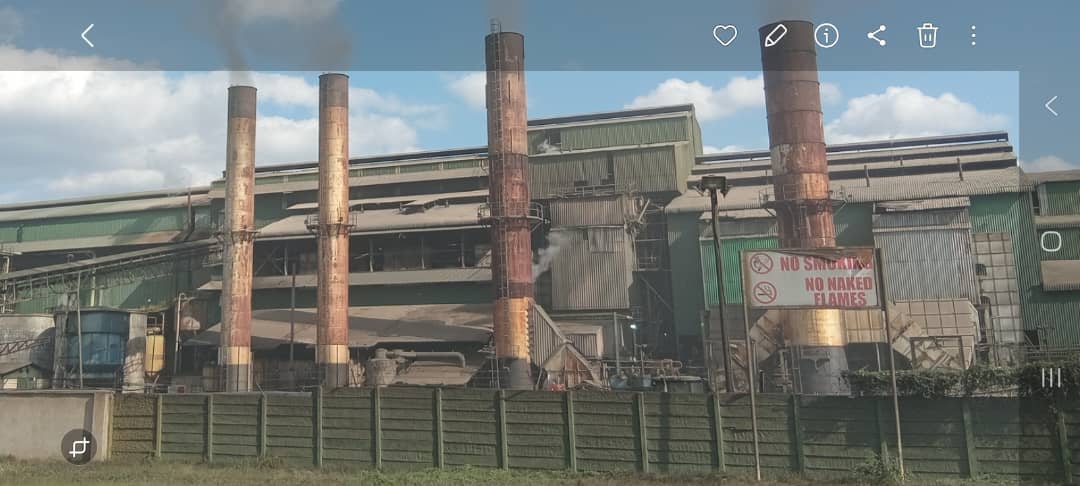
Zimbabwe’s two major sugar mills, Hippo Valley and Triangle, are owned by Tongaat Hulett, raising concerns over concentration in the milling segment.
The committee therefore called on the Competition and Tariff Commission to review the structure of the sugar market and assess measures that could enhance competition, including the feasibility of establishing another mill.
It also recommended amendments to the Sugar Production Control Act to take into account developments in the industry and strengthen the regulatory framework governing sugar production.
The committee called for a review of the sugar tax and fortification policies by December 31, 2026, saying the measures should balance public health objectives with the need to maintain the competitiveness of locally produced sugar.
It further recommended that Vitamin A fortification be made a requirement for permits issued for table sugar imports, arguing that local producers currently face fortification costs and sugar taxes that could place them at a disadvantage compared with imported products.
The committee said the sugar value chain remained an important pillar of Zimbabwe’s economy, with significant potential for value addition, industrialisation and employment creation.
However, it noted that the sector continued to face high input costs, infrastructure deficits, macroeconomic challenges and institutional inefficiencies.
«“The sugar value chain in Zimbabwe remains a critical pillar of the economy with strong potential for growth and value addition,” the committee said.»
It urged the Government and industry players to implement the recommendations, saying coordinated reforms and investment could help create a sustainable, competitive and inclusive sugar industry capable of contributing more significantly to national development.