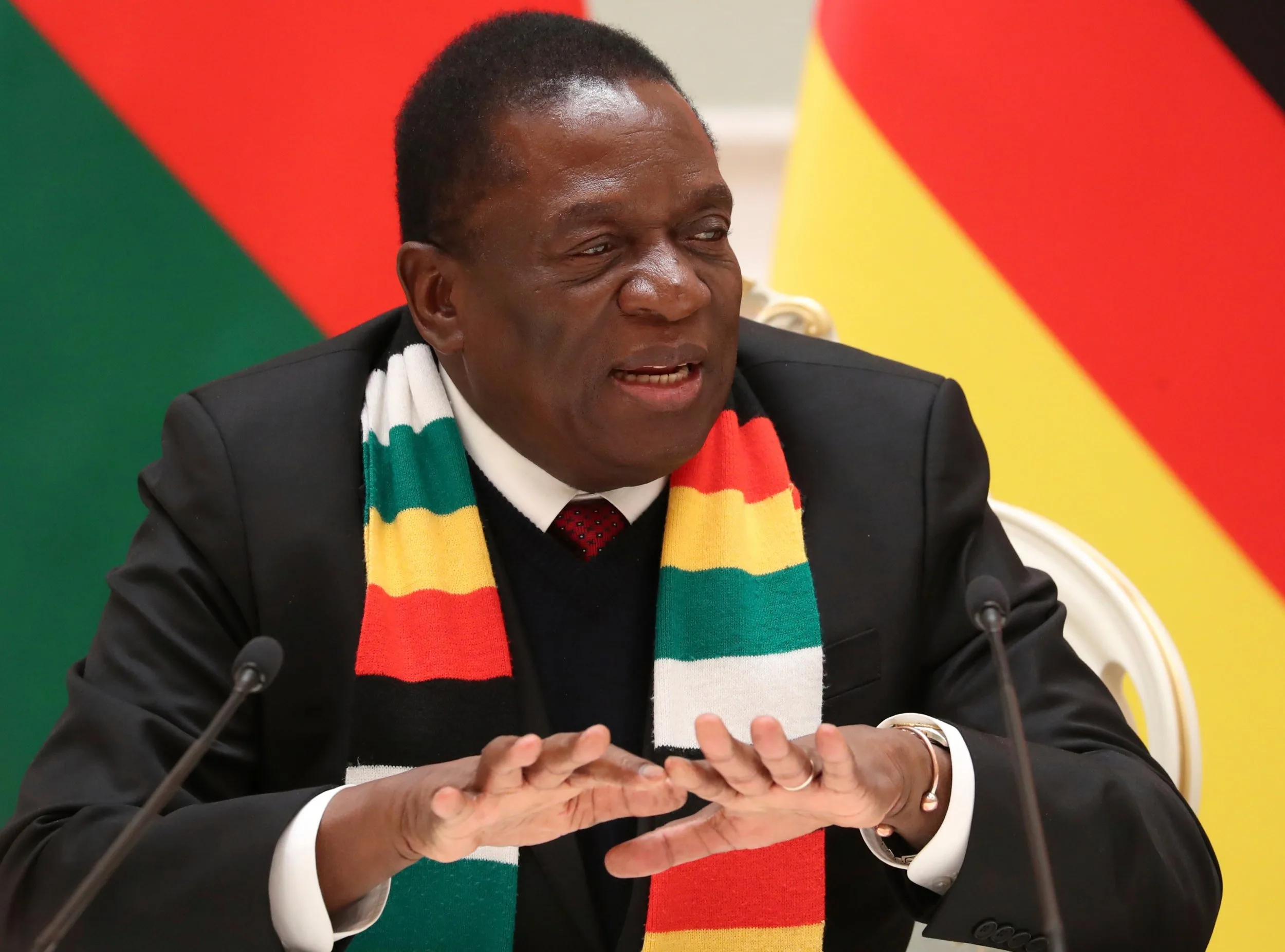
Harare, (New Ziana) – President Emmerson Mnangagwa has challenged the private sector, parastatals and industry leaders to invest more in research, innovation and artificial intelligence (AI), describing them as critical pillars for the country’s industrialization drive and the attainment of an upper-middle-income economy by 2030.
Speaking at the 14th Zimbabwe International Research Symposium in Harare on Friday, President Mnangagwa said research remains the foundation of national development, driving modernization, innovation and evidence-based policymaking.
“Research is fundamental to the development of any society. It drives modernization, industrialization and innovation. As a vital compass for transformation, research plays a crucial role in improving systems, shaping effective policies and enhancing procedures that support sustainable growth and progress,” he said.
He said the theme of the symposium this year theme should be closely aligned with the advancement of artificial intelligence as a tool for economic growth and social development, noting that AI technologies have the potential to significantly improve productivity and efficiency across key sectors of the economy.
“I am confident that the growth and application of AI technologies will enhance efficiency, productivity and safety across key sectors of the economy, including mining,” he said.
President Mnangagwa envisioned a future where Zimbabwe, the Southern African region and the African continent harness cutting-edge technologies to accelerate development.
“Let us imagine a Zimbabwe, SADC and Africa where mining companies partner with universities to develop AI-driven exploration and exploitation tools, as well as new technologies for increased production and productivity,” he said.
He reiterated Government’s commitment to beneficiation and value addition of mineral resources, saying these remain central to efforts to strengthen industrialization and achieve sustainable economic growth.
The President also underscored the importance of innovation in healthcare and manufacturing, calling for research that produces practical solutions to national challenges.
“Our pharmaceutical research must produce medicines that reduce import dependency and strengthen our health systems, while also inculcating predictive healthcare systems that save lives,” he said.
“Modern manufacturing platforms should enable us to produce goods competitively and stronger public systems that deliver services efficiently. Above all, Artificial Intelligence should create new opportunities for our young people.”
President Mnangagwa stressed that the growing complexity of global challenges requires stronger collaboration among governments, universities, research institutions and industry players.
“The complexity of today’s global challenges demands collaboration among all stakeholders and partners. Government cannot pursue the technology-driven development path single-handedly. I challenge the private sector, parastatals and industry leaders to also invest in and support the adoption of research and innovation outputs across all sectors of the economy,” he said.
President Mnangagwa urged participants to translate research findings into tangible solutions that improve the lives of the people.
“I challenge you to strengthen collaboration, inspire bold ideas and accelerate the translation of research into life-transforming solutions that improve the quality of life of our people,” he said.
“Collectively, let us harness artificial intelligence, research and innovation towards the realization of an empowered and prosperous upper middle-income society by 2030.”
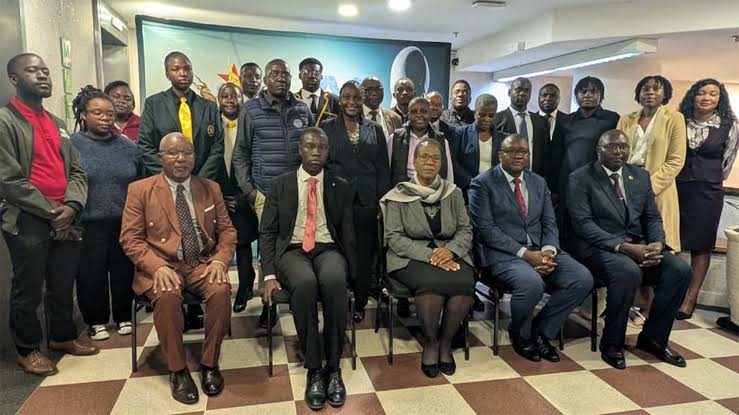
Meanwhile, outstanding researchers, innovators and students from secondary schools, colleges and universities across Zimbabwe were honoured during the symposium for their exceptional achievements in research and innovation.
The award winners received cash prizes and other recognition for projects that demonstrated excellence, creativity and potential to contribute to national development.
New Ziana