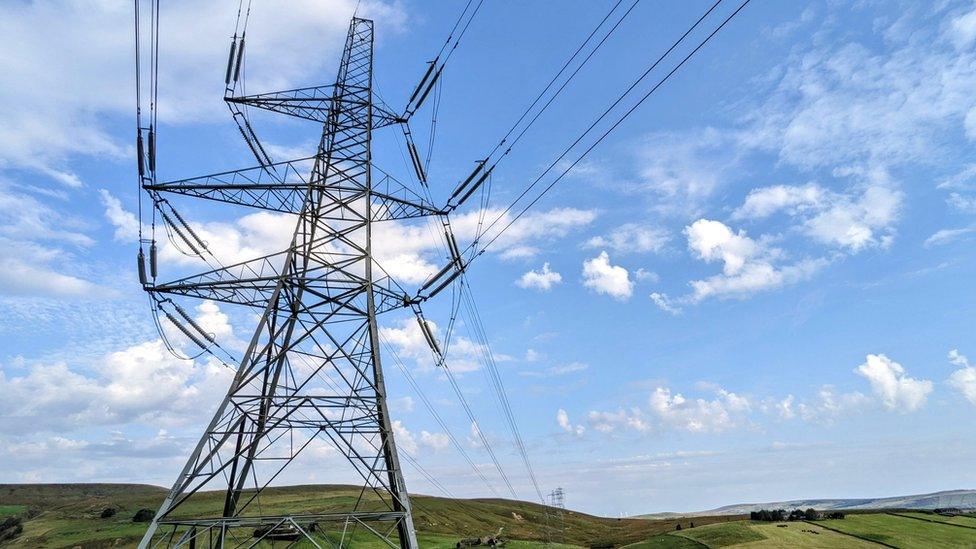
Harare, (New Ziana) – The Rural Electrification Agency (REA) has electrified more than 10,000 public institutions across Zimbabwe since 2002 under its grid electrification programme, a senior official has revealed.
Speaking to New Ziana on Tuesday on the sidelines of the ongoing Zimbabwe Agricultural Show (ZAS) in Harare, REA Public Relations Manager Johannes Nyamayedenga said the electrified institutions include primary and secondary schools, clinics, business centres, village homes, and government sub-offices.
“Our mandate is to provide electricity in all the rural areas of Zimbabwe for economic empowerment of villagers and the general development of rural Zimbabwe,” said Nyamayedenga.
To meet this ambitious mandate, REA is running three key programmes: grid electrification, solar mini grids, and biogas systems.
Under the solar electrification programme, REA has set up 16 community solar mini grids and 24 institutional solar mini grids in remote areas unlikely to benefit from the national power grid in the near future.
One of its flagship projects, the Hakwata Solar Plant in Chipinge, features a 200-kilowatt solar system that now powers a primary school, a clinic, a business centre with 27 shops, 80 village homesteads, and an irrigation scheme jointly established by Agritex and Zinwa.
“These projects are transformative. Villagers don’t pay for the installation, only for the electricity they use, because setting up the systems is too expensive for them to fund,” said Nyamayedenga.
The agency is also expanding its biogas programme, which targets households with at least eight cattle. REA builds biogas digesters for free, allowing villagers to generate their own electricity from livestock waste.
Villagers contribute basic materials like bricks, pit and river sand, and water, while REA provides technical expertise, power cables, stoves, and all other necessary equipment.
To ensure sustainable implementation, REA is rolling out free builder training programmes in rural areas, aimed at promoting clean cooking technologies and reducing deforestation.
Looking ahead, Nyamayedenga said REA is racing to meet government-set targets whereby by 2026, every rural school and clinic is expected to be connected to electricity.
“Our Minister, Honourable July Moyo, has tasked us with ensuring that by the end of 2026, no rural school or clinic remains in the dark. By 2030, our mandate is for all rural communities to have access to at least one form of energy,” he said.
As Zimbabwe pushes toward a more inclusive and sustainable energy future, REA’s efforts continue to bring power—and possibilities—to the country’s most remote communities.
New Ziana