

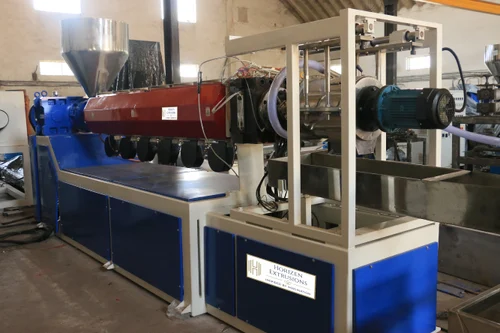
Harare, (New Ziana) -Recycling dairy packaging can create jobs, reduce imports and protect the environment when collection volumes are increased to meet international thresholds.
Dairy Processors Association of Zimbabwe (DPAZ) secretary general Tendai Marecha said this at the launch of a dairy packaging recycling awareness campaign in Marondera on Tuesday.
“Collecting dairy packaging waste is not just about cleaning the environment. It is a viable business model that provides income for many people and creates a new raw material stream for industry,” he said.
Currently, Zimbabwe sends most of its used dairy cartons to South Africa for processing.
“If we want the recycled material, we have to buy it from them and import it back to Zimbabwe,” she explained.
DPAZ, a nine-member body of milk and dairy product processors, signed an agreement with Tetra Pak South Africa in March 2024 to increase recycling, with the deal requiring Zimbabwe to collect 1 000 tons of packaging waste per month, before a local processing plant can be established.
“We have been picking cartons since then. I think the highest amount we collected in a single month was about 130 tons of these carton boxes. Yet, under our agreement with Tetra Pak, once we reach the 1 000-ton mark per month, we will qualify to have a local factory set up to process the waste into various usable products,” Marecha said.
She added that materials such as cardboard, plastics and aluminum sheets can be recovered from the cartons.
“Our aim now is to increase the volume of our collections to at least 1 000 tons per month by the end of next year, so that we can have our own factory established locally,” she said, encouraging households to separate cartons for waste pickers from buyback centres across the country where packaging waste can be redeemed at about 8 cents per kilogram.
Rutanhi Beverages group projects manager Elvis Bika said the initiative benefits both consumers and the country as it supports clean up efforts while paying people for collecting waste.
“As a country, this initiative adds value. The President has been promoting the first-day-of-the-month clean-up campaigns. This aligns with that vision. You know PET (Polyethylene terephthalate) can remain in the ground for up to 15 years. If we do not act now, it will have long-term effects on our environment,” he said.
The awareness campaign began in Marondera and will continue in Mabvuku, Epworth, Chitungwiza and Highfield until Friday.
New Ziana