KARIBA — Following the disastrous capsizing of the Lake Kariba passenger ferry, Zimbabwe Red Cross Society (ZRCS) disaster response teams arrived on the ground to provide urgent relief to survivors and support state rescue operations.
The confirmed death toll reached 84 on Sunday after search-and-rescue teams recovered additional bodies from the water, and 77 people were rescued.
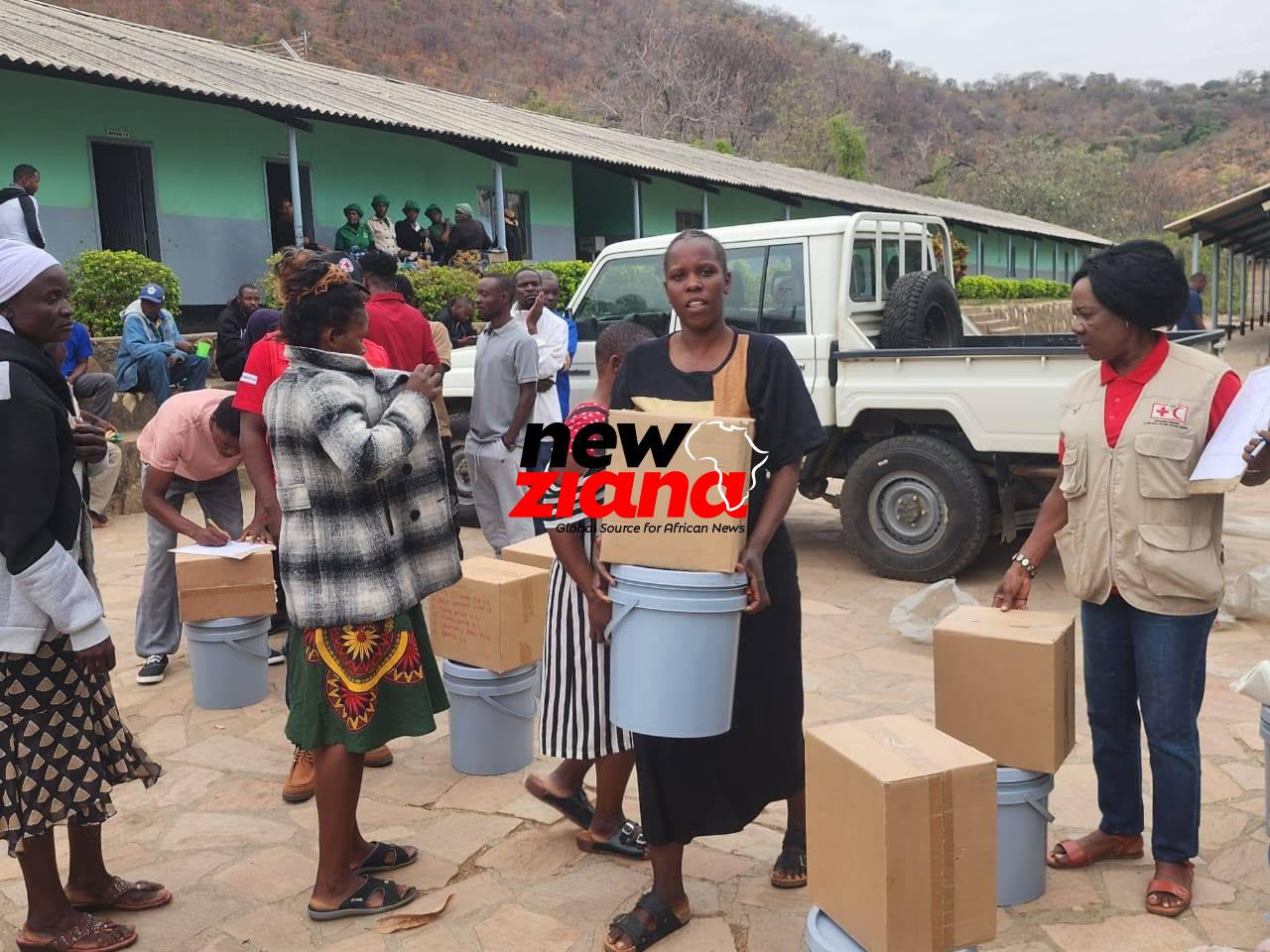
ZRCS is distributing non-food items (NFIs), including dignity kits, blankets, clothing, and water purification supplies, to survivors and displaced families staying in temporary holding centres.
“Following the tragic Lake Kariba Rural Infrastructure Development Agency (RIDA) passenger ferry accident in which 84 people lost their lives, our teams have responded quickly and are already on the ground, complementing government efforts by distributing Non-Food Items (NFIs), including dignity kits, to survivors of this unfortunate incident,” read part of the statement from ZRCS.
For female survivors of the Kariba ferry accident, whose death toll has now reached 84, the trauma extended far beyond the terrifying moments in the water.
As the strong waves hit the ferry, some female survivors lost their clothes, including their underclothes, leaving them vulnerable. ZRCS stepped in and donated dignity kits, which include intimate wear and pads.
One female survivor, Margaret Tose, expressed her gratitude for the dignity kits.
“Our underclothes were ripped off during the accident, so as women, these kits are very important to us,” she said.
ZRCS said Tose’s story is a powerful reminder that humanitarian response is not only about saving lives but also about restoring dignity and hope.
“You can play your part by donating in cash or in kind to help these survivors rebuild their lives,” said ZRCS, which is part of the world’s largest humanitarian network, providing disaster relief, first aid training, health care, and community resilience programs.
“There were sad and emotional scenes as the passengers received the much-needed assistance.”
ZRCS personnel are also providing psychological first aid to traumatised victims and grieving families awaiting news at identification sites.
“Our primary focus right now is meeting the immediate material and emotional needs of those who survived this horrific ordeal,” said a ZRCS official, adding that volunteers will remain stationed in the region to support affected families in the coming weeks.
The tragedy occurred when the heavily overloaded vessel encountered high winds and rough waters while transporting travellers toward remote fishing settlements.
Initial reports indicate the ferry was carrying well over its capacity, which led to rapid flooding in the engine room before it capsized.
The disaster on Lake Kariba resulted in a transition from search-and-rescue to search-and-recovery operations as the death toll climbed.