

Princess Sibanda
BEITBRIDGE — The influx of Zimbabwean returnees from South Africa will not put pressure on the availability of antiretroviral (ARV) medicines in Beitbridge, District Medical Officer Lenos Samhere said.
Samhere dismissed concerns over possible shortages, saying the district’s health system had already been managing returning migrants through established systems and was confident it could meet the demand for HIV treatment.
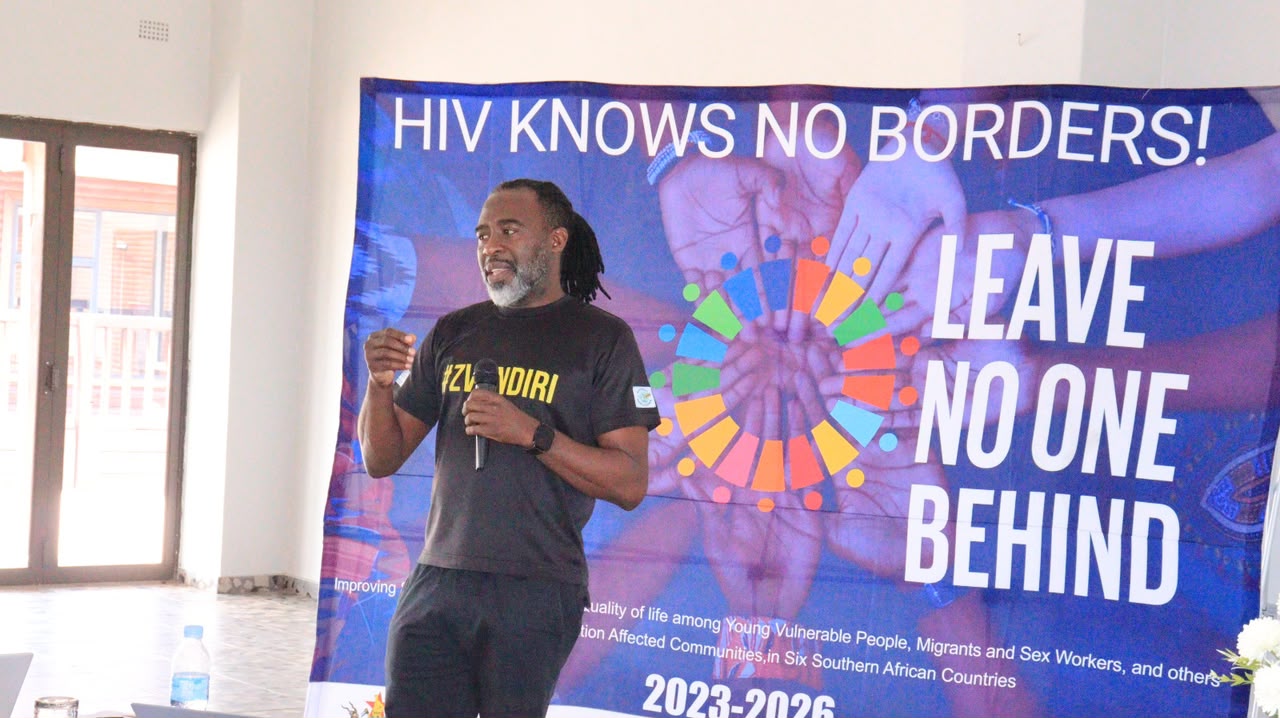
Speaking during an ongoing two-day International Organisation for Migration (IOM)-sponsored media training on Sexual and Reproductive Health and Rights (SRHR), HIV and migration in Beitbridge, Samhere noted that returnees were not new to the district’s HIV care system.
He said the district had previously used both the “cargo model” and the “omalayitsha model,” in which people living with HIV would identify trusted individuals traveling home and arrange for their medication to be collected and delivered to them.
“They were already within our database and care,” Samhere said.
He added that migrants tested at the reception centre were provided with medication where necessary and subsequently registered with health facilities in their respective communities.
“Those who were tested at the reception centre received their supplies and were registered with their destination communities. So far, we have not had any challenges, and we are confident that we are managing,” he said.
He also acknowledged that several donor-funded programmes supporting antiretroviral therapy (ART) were coming to an end, but said this was not a new development for the health sector.
“Many donor programmes that supported ART are ending. This is not the first time donor programmes have ended,” he said.
His remarks sought to allay fears that a combination of increased migration and reduced donor support could compromise access to HIV treatment in the district.
The training, which brings together journalists and key stakeholders, focuses on responsible reporting on SRHR, HIV, and migration, particularly along busy migration corridors such as Beitbridge.
National AIDS Council (NAC) District AIDS Coordinator Edward Mulaudzi was among the officials present at the training, alongside media practitioners from different platforms.
Speaking on behalf of journalists, Zimbabwe Union of Journalists (ZUJ) president Thupeyo Muleya said the media has a critical role in shaping public understanding of health and migration issues.
He said Beitbridge is more than a border post, describing it as a place where movement, resilience, and health intersect daily.
Muleya urged journalists to adopt reporting approaches that promote accurate information without fueling stigma, fear, or despondency.
He said responsible reporting on SRHR could help improve access to information and health services, particularly for women, young people, migrants, and other vulnerable groups who use the migration corridor.
“Information has power,” Muleya said, emphasising the need for journalists to report with facts, empathy, and context.
He further linked responsible journalism to Zimbabwe’s national development aspirations, saying the media has a role to play in supporting the country’s Vision 2030 through reporting that informs, educates, and gives communities a voice.
He thanked IOM for supporting the training and urged journalists to use the opportunity to strengthen their reporting skills.
The two-day training is expected to equip journalists with tools for reporting on SRHR, HIV, and migration in ways that protect dignity while promoting access to accurate and lifesaving information.