
Bulawayo, (New Ziana)-The Southern African Development Community (SADC) recognises the importance of collaboration among its member states as it assists in facilitating regional integration, an official has said.
Senior Programs Officer responsible for Value Chains at the SADC secretariat, Calicious Tutalife said this on Wednesday on the sidelines of the first Regional Leather Forum on Boosting Industrialisation and Regional Trade in the Leather Value Chain.
The landmark event aims to accelerate regional industrialisation by strengthening the leather value chain across SADC Member States.
Support for the leather sector is part of the SADC-German cooperation’s aim to promote value chain development, trade facilitation, and industrialisation across the region by strengthening institutions and fostering private sector engagement.
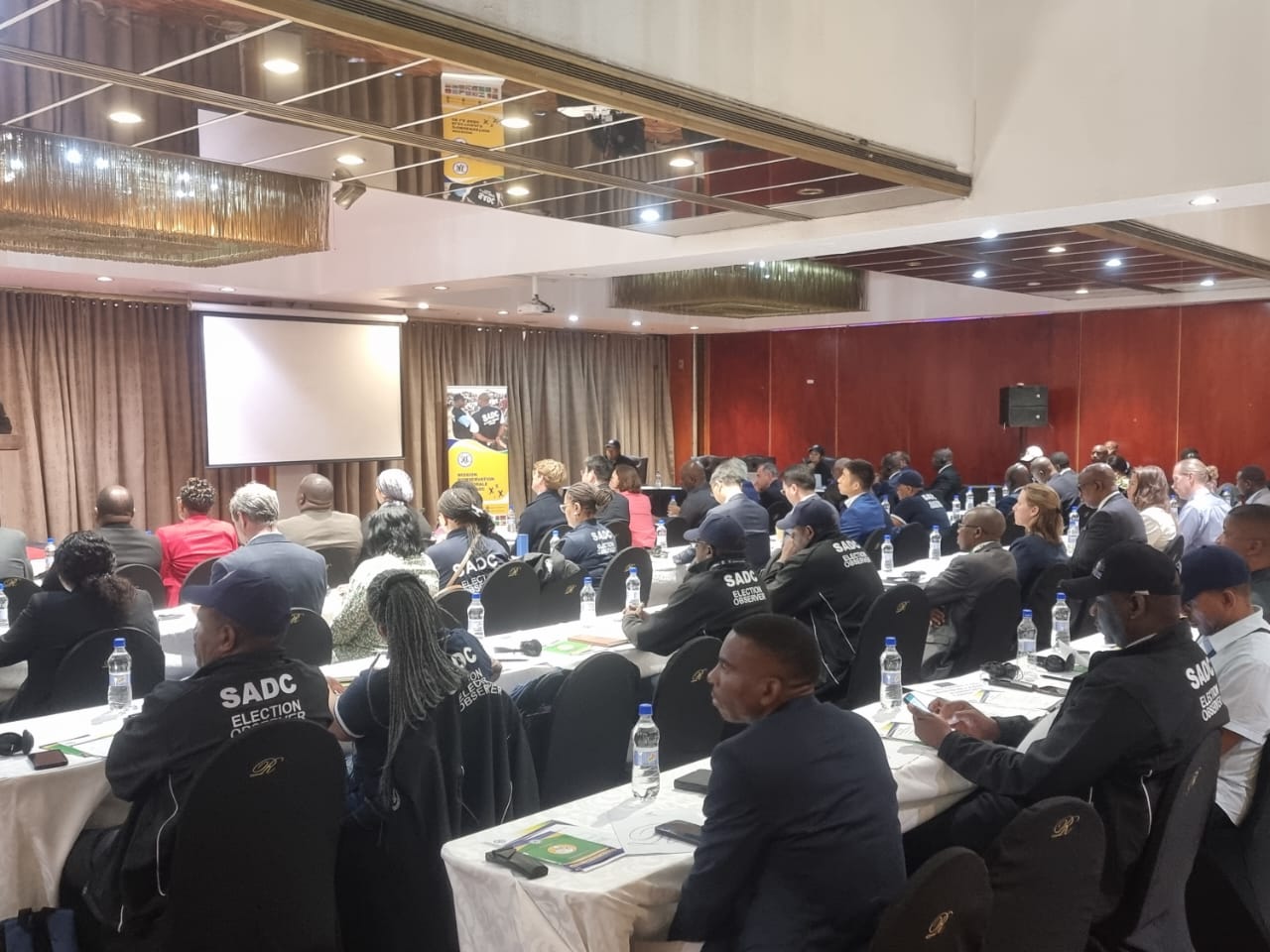
The forum brought together approximately 50 participants, including policymakers, industry leaders, entrepreneurs, researchers, development partners, and private sector representatives.
It also served as a dynamic platform to facilitate policy and regulatory harmonisation, assess progress on the implementation of the SADC Leather Regional Model Policy Framework, and promote innovation, investment, and trade across borders.
“Sadc recognises the importance of member states talking to one another. We can only be a region if we are able to collaborate and thus the only way we can achieve regional integration by working together,” he said.
Tutalife emphasized the necessity for member states to actively with one another, observe how peers are performing, learn how they tackle challenges, and collectively explore opportunities for sharing and collaboration.
“The main objective, particularly for the leather value chain, is that as member states we are at different developmental stages. By engaging and listening to one another, we can identify how to collaborate more effectively, not just by learning from each other,” he said.
Tutalife further emphasized that while SADC may prioritise collaboration with one or two geographically proximate member states, partnerships with distant nations remain equally viable where synergies exist or shared priorities align.
“That’s precisely why we have established this forum thus to foster greater collaboration and enhance the competitiveness of the leather value chain across our region,” he said.
Regarding exports, Tutalife said the figures were still low, saying they view this as an opportunity to develop strategies to enhance regional performance.
“The figures for exports are not impressive and we view this as an opportunity to develop strategies that enhance our regional performance,” he said, without disclosing figures.
He said the region was facing challenges in producing quality hides, as local farmers do not view animals as sources of hides, with most communal farmers raising livestock primarily for beef and dairy.
“Traditionally, the core issue has been the quality of produced skins and hides. As you can appreciate, our animal husbandry and farming practices remain largely communal, compounding the challenge that farmers do not see animals as hide sources, thus undervaluing them,” he said, adding in some communities’ hides are treated as waste material and discarded.
“Consequently, accessing quality hides remains a major obstacle and we are keen to resolve this issue through engagements,” he said.
In the leather sector specifically, Germany has supported upgrades in tanneries, improved production standards, and business linkages in countries such as Botswana and Namibia.
The project is implemented by GIZ, under the Cooperation for the Enhancement of SADC Regional Economic Integration (CESARE) program.
New Ziana