Harare, (New Ziana) –the Joint Meeting of Southern African Development Community (SADC) Ministers Responsible for Energy and Water ended in Harare on Friday with a call for member states to urgently adopt collaborative and innovative strategies to tackle the growing energy and water insecurity that threatens economic growth and social development across the region.
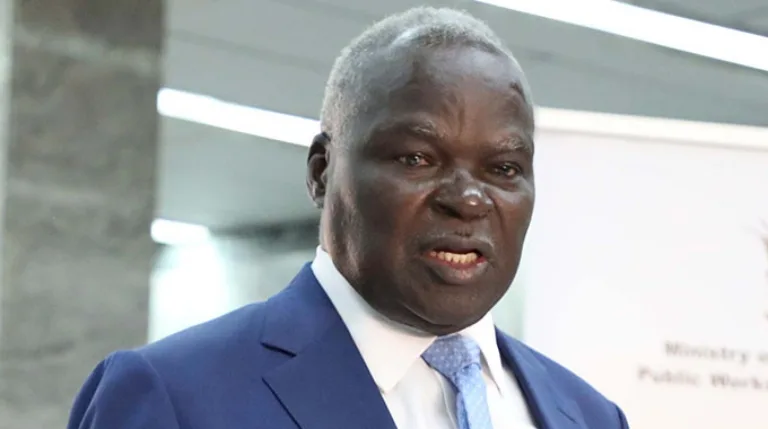
Zimbabwean Minister of Energy and Power Development July Moyo made the call while addressing the closing session of the high level gathering.
Moyo, who co-chaired the meeting, underscored the critical need for regional integration and accelerated infrastructure development to meet rising demand and climate-related pressures.
“Energy and water are the lifelines of our communities, economies and ecosystems. Insecurity in either will undermine production, weaken economic resilience and hinder growth,” he said.
Moyo painted a sobering picture of the region’s challenges where over 172 million people in SADC remain without access to electricity, and only 40 percent of the population has adequate sanitation.
He said compounded by population growth, urbanization, aging infrastructure, vandalism, and underinvestment, both energy and water sectors are under strain.
“In Zimbabwe alone, we lose approximately US$4 million annually to transformer theft and related damage. These criminal acts disrupt both power and water supply and demand a regional crackdown through tougher laws, technology deployment, and community awareness,” he said.
Highlighting the significant gaps in electricity supply, Moyo said although Zimbabwe’s installed generation capacity stands at nearly 3 000 MW, only 1 200–1 600 MW is currently achievable, far short of peak demand, estimated at 2 000 MW, a situation which has led to periodic load shedding and increased reliance on imports.
Despite these challenges, Moyo noted progress in renewable energy deployment saying Zimbabwe is ramping up solar and hydro investments, including projects backed by pension funds such as the 25 MW Centragrid Nyabira Solar PV Park and the upcoming 100 MW Munyati Solar Plant.
“We have developed our National Energy Compact with a goal to install 1.2 million solar home systems and solarize 35 000 villages by 2030 under the Presidential Rural Development Program,” he said.
On regional integration, Moyo called for urgent completion of interconnection projects to allow all SADC mainland countries, particularly Angola, Malawi and Tanzania, to join the Southern African Power Pool (SAPP), thus enabling greater electricity trade and improved grid stability.
Moyo also urged member states to capitalise on solar potential, particularly in countries like Botswana, Namibia, Zimbabwe, and South Africa, and called for increased regional manufacturing and market creation for clean energy technologies.
In the water sector, Moyo warned that El Niño-induced droughts, pollution, and underutilised irrigation are undermining access and sustainability as currently, only 71 percent of the region’s population has access to safe drinking water.
“This is a serious indictment. We must scale up water infrastructure investment and prioritize sanitation resilience, particularly as climate impacts worsen,” he said.
Moyo also applauded countries like Tanzania for rapidly increasing electricity access, connecting 8 million people in two years, and encouraged member states to share best practices and scale up investments.
“If we don’t act decisively now, the SADC Industrialization Strategy and Roadmap will remain a pipe dream. Let this meeting be a turning point for the region. We must move from plans to action,” he said.
New Ziana