Bulawayo (New Ziana) – The Zimbabwe School of Mines (ZSM) has partnered with Mutapa Gold Resources to train artisanal and small-scale miners under a nationwide program aimed at formalising the sector and boosting mining skills.
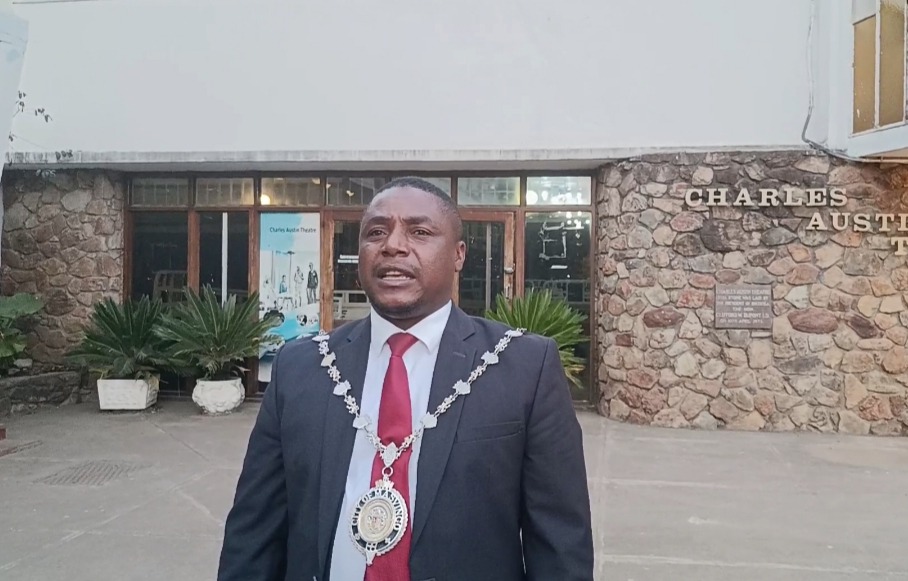
ZSM principal Edwin Gwaze said this in an interview on the sidelines of the just ended 28th edition of the Mining, Engineering and Transport (Mine Entra) 2026 in Bulawayo.
He said the ZSM was moving away from its traditional single-campus approach in Bulawayo by taking training directly to mining communities across the country, enabling more artisanal miners to access formal education and become part of the mainstream mining value chain.
“We are taking artisanal mining training nationwide, moving away from a single-campus model. By upskilling local entrepreneurs and enterprises, particularly through initiatives like our recent partnership with Mutapa Gold Resources, which saw 315 artisanal and small-scale miners trained, we are creating a skilled talent pool and integrating communities into the formal mining supply chain,” he said.
Gwaze said the initiative was designed to promote inclusive economic growth by equipping local communities with technical, business and safety skills needed to participate competitively in the mining industry.
He further said the new strategic direction aligns with the government drive to transform the economy through mineral beneficiation and value addition rather than relying on the export of raw minerals.
“The theme for this year’s Mine Entra is a direct and urgent call for a fundamental economic shift. For the Zimbabwe School of Mines, it validates our new direction of moving beyond primary extraction training to become a key driver of beneficiation and value addition. It challenges us to produce a workforce that doesn’t just know how to mine, but how to process minerals into finished products, thereby anchoring economic transformation,” he said.
Gwaze said the ZSM is introducing programs that will bridge the gap between mining and the wider economy by preparing graduates for downstream industries such as foundry technology and iron and steel making that directly support manufacturing.
“To support the energy and agriculture sectors, we are embedding training in automation, artificial intelligence and data analytics, which are critical for modernising the energy grid and agricultural technology industries,” he explained, adding the institution is also modernising its curriculum to prepare graduates for technologically advanced mining operations.
New programs include drone piloting and data interpretation for geological surveying, automation and artificial intelligence for modern mining operations, as well as courses in gemmology, cutting and polishing, and foundry technology to promote mineral processing and beneficiation, he added.
Gwaze said thde ZSM is also placing emphasis on ethical mining practices by strengthening training in occupational health and safety, responsible resource management and good corporate governance.
“Training in mine occupational health and safety and responsible resource management is critical. We must also promote transparent revenue tracking and strong legal contracts. Accountability requires transparency, and that is a principle we embed in our training so future mine managers become custodians of the country’s mineral wealth rather than simply extractors,” he said, adding mining should also become a catalyst for broader rural industrialisation and sustainable community development.
New Ziana