By Johnson Siamachira
Harare, (New Ziana) — For years, every farming season began with hope and ended in disappointment for Lovemore Chinogurei of Mudzi district in Mashonaland East Province.
The rains arrived late, or not at all. Maize withered under scorching heat or drowned when heavy downpours followed prolonged dry spells. Each failed harvest pushed his family closer to food assistance in one of Zimbabwe’s driest farming areas.
Now, the same fields are telling a different story.
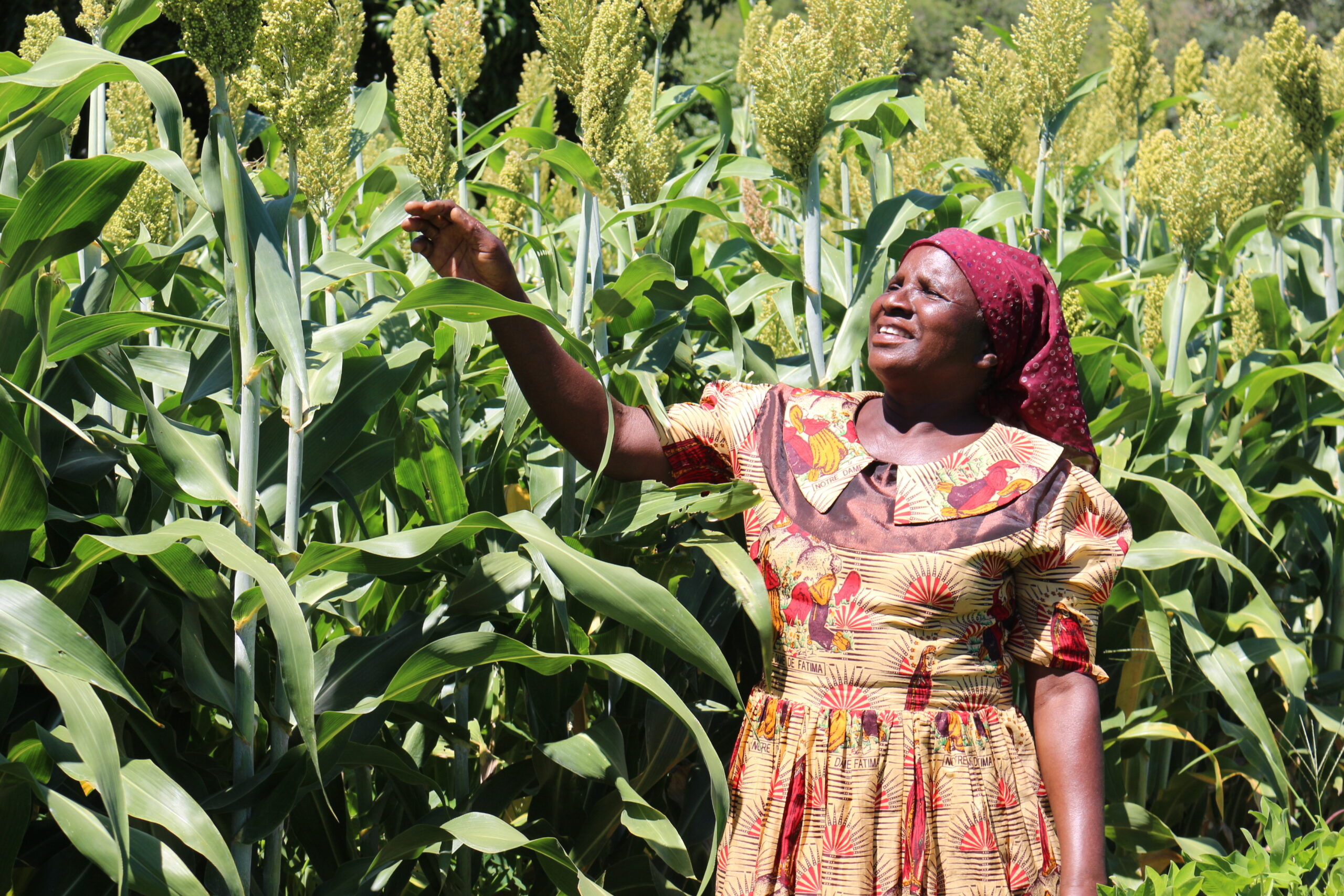
Rows of Macia sorghum stand across Chinogurei’s sandy fields, their grain heads bending under their weight despite another unpredictable season. Last season, he harvested 1,500 kilogrammes of sorghum, earning about $650, which he used to buy a cow and farming equipment.
“I no longer fear every dry spell,” Chinogurei said. “Access to improved seed, training, technical support and reliable markets has changed my life.”
His experience points to a broader shift taking root across Zimbabwe’s drylands: traditional grains such as sorghum and pearl millet are moving from the margins of the agricultural economy towards its centre as farmers search for crops that can survive a hotter and less predictable climate.
For smallholder farmers in drought-prone districts, the return to traditional grains is not simply a return to the past. It is becoming a strategy for the future, combining indigenous knowledge with improved varieties, Conservation Agriculture and private-sector markets. The approach is being advanced through initiatives such as the Markets and Seeds Access Project, or MASAP, which seeks to turn climate resilience into a viable rural business model by connecting farmers to seed, finance, technical support and dependable markets.
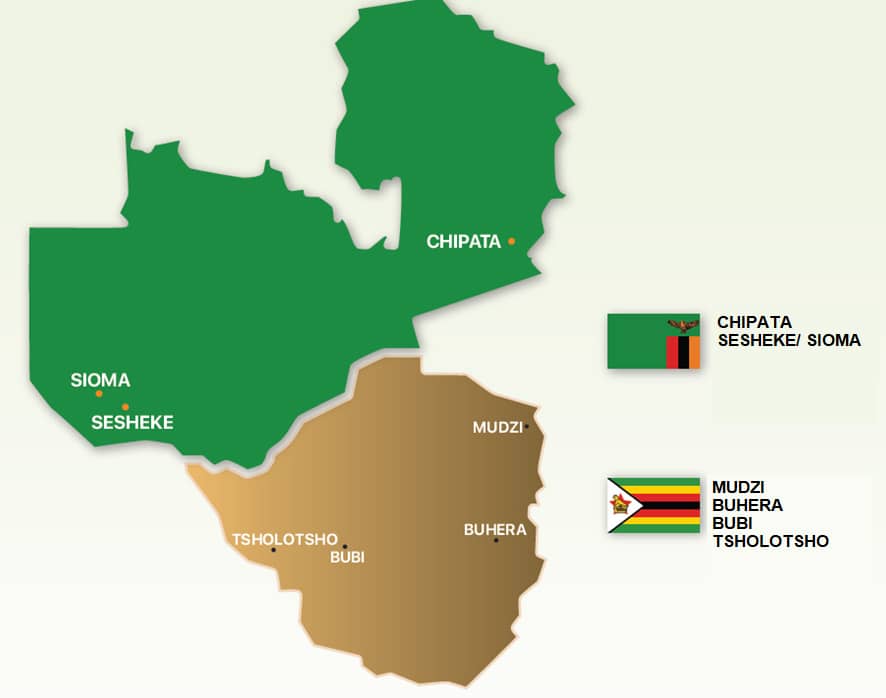
MASAP operational areas in Zambia and Zimbabwe.Source: MASAP.
Zimbabwe’s climate challenge is particularly acute for agriculture. The World Bank says agriculture contributes about 17 per cent of the country’s gross domestic product, 40 per cent of exports and provides employment for about 70 per cent of the population, yet the sector remains heavily dependent on rain-fed production. The 2023-24 El Niño drought cut maize yields by about 60 per cent from the five-year average.
That vulnerability is most pronounced in the country’s drier agro-ecological regions. Natural Region IV receives roughly 450 to 650 millimetres of annual rainfall and experiences frequent seasonal droughts, while Region V is even drier and more erratic. Sorghum and millet have traditionally been among the crops suited to these conditions.
For decades, however, maize dominated Zimbabwe’s food system, including areas where the crop carried high climatic risks. Chinogurei knows the cost of that dependence.
“Government seed often arrived late, and when the rains failed, everything was lost,” he said. “Sometimes the rains came too heavily and flooded the fields. We were always close to succeeding, yet somehow we never did.”
His memories also reach further back.
“These are the crops our grandparents trusted,” he said. “We have realised they belong here because they survive where maize struggles.” That knowledge is now being combined with modern seed technology and market systems.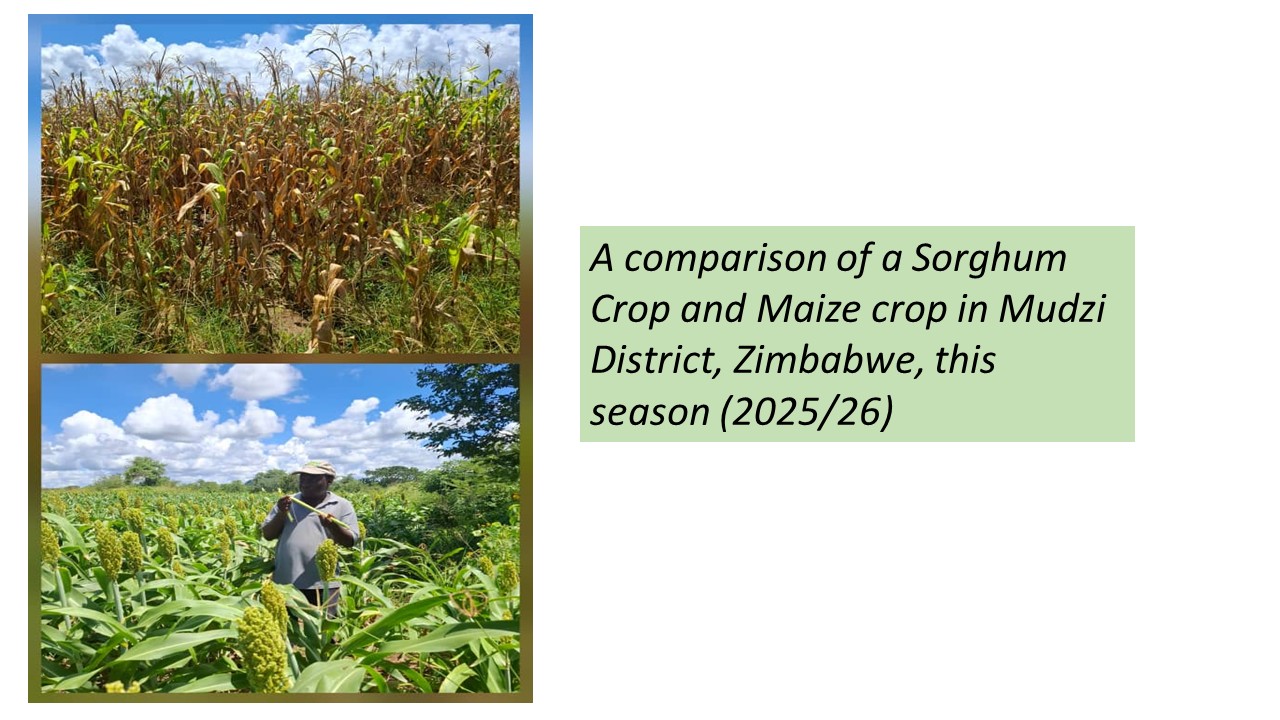
Above photos: A comparison of a maize crop (A) and a sorghum crop(B) in Mudzi District in Zimbabwe this season (2025/2026). Photos: MASAP
MASAP is an eight-year initiative funded by the Swiss Agency for Development and Cooperation and implemented by the Community Technology Development Organisation, NIRAS and the Research Institute of Organic Agriculture. Its first phase focused on Mudzi and Tsholotsho in Zimbabwe, alongside districts in Zambia, targeting sorghum, pearl millet, cowpeas and groundnuts.
Alex Mugova, MASAP team leader, said the project’s central objective is not simply to persuade farmers to grow traditional grains but to change the market conditions surrounding them.
“Because traditional grains are more climate resilient, almost all contracted outgrowers report increased household food security,” Mugova said. “More than 60 per cent of contracted outgrowers now implement climate-smart agriculture practices as routine. Access to markets for all contracted outgrowers is now guaranteed, giving incentives to smallholder farmers to increase production.”
That distinction matters.
A drought-tolerant crop can survive a dry spell, but a farmer still needs quality seed before planting, technical advice during production, a buyer after harvest and a price that makes the effort worthwhile.
MASAP’s Market Systems Development model attempts to connect those pieces.
Companies working with smallholder farmers provide inputs on loan and training, then sign pre-planting contracts that guarantee an outlet for seed and commodities. According to Mugova, contracts require companies to buy at least at prevailing market prices, while farmers often receive a 10 per cent to 15 per cent premium as an incentive to increase production.
The model has also linked more than 34,000 farmers to private-sector players in Zambia and Zimbabwe.
For farmers outside such arrangements, the market can look very different. Mugova said non-participating farmers often struggle to find buyers, receive lower prices from middlemen and have difficulty accessing quality inputs and extension support on time. The result is a crucial change in the farmer’s relationship with the market: from waiting for someone to buy a harvest to entering the season with a clearer commercial destination.
In Tsholosho district, in Matabeleland North Province, Nancengeni Nkomo walks through a healthy stand of Okashana pearl millet. On land where maize has struggled, the drought-tolerant crop has offered a measure of certainty.
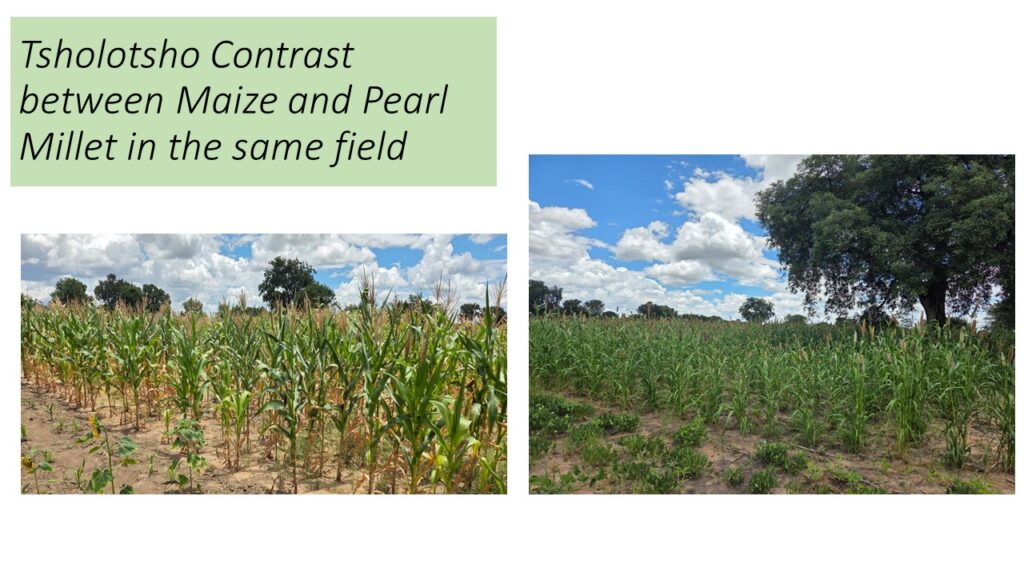
Contrast between Maize (A) and Pearl Millet (B) in the same field in Tsholotsho District in Zimbabwe. Photos: MASAP
“We expect to harvest about 1,200 kilogrammes this season and earn nearly $500,” she said. “We never imagined traditional grains could provide such an income.”
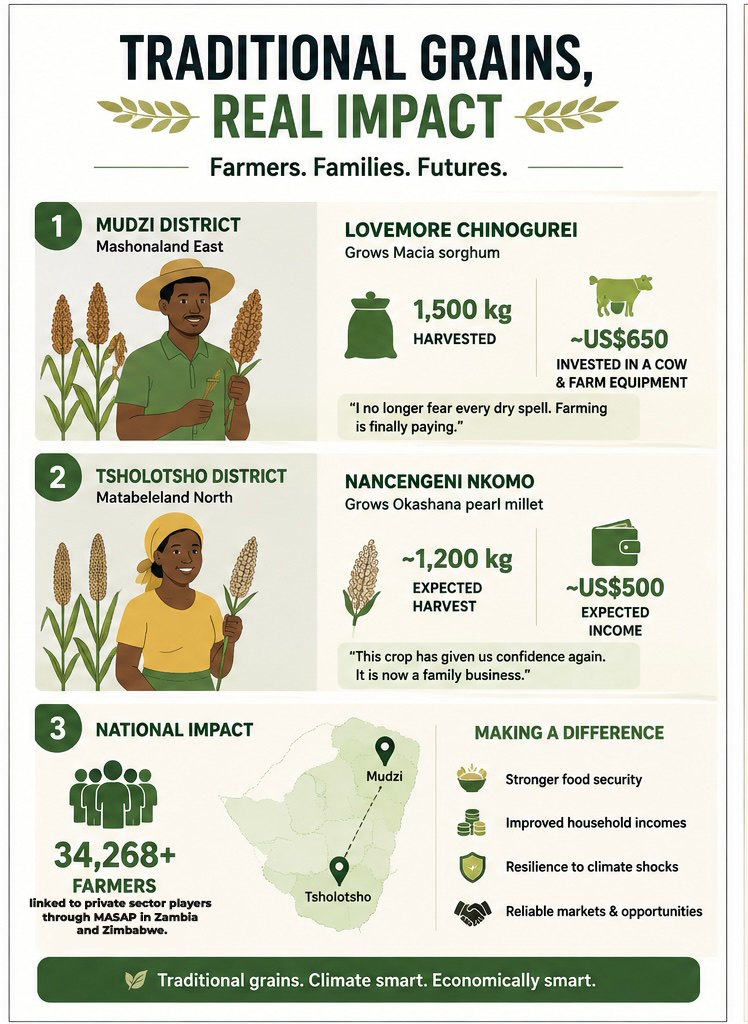
Above: Traditional grains impact. Source: MASAP
For neighbouring farmer Sizamele Nkomo, that income represents more than a good harvest.
“Farming is no longer a gamble with nature,” she said. “It is now a family business.”
She hopes proceeds from her grain sales will help her buy a cow.
The symbolism is powerful: a grain once associated mainly with subsistence feeding is becoming a stepping stone towards household assets.
Denis Simbe, programme manager and agronomist at Zadzamatura, a private-sector partner involved in seed production, said traditional grains can provide both ecological and economic value.
“Traditional grains are more than crops,” Simbe said. “They are part of our cultural heritage.”
They are also increasingly important to Zimbabwe’s climate adaptation strategy.
Government policy now recognises traditional grains as important in responding to climate change and food insecurity, particularly in semi-arid areas. The country’s National Development Strategy 2 prioritises climate-smart seed systems, early-maturing varieties, improved extension and investment in processing, packaging and branding to move traditional grains into mainstream markets. MASAP is working closely with the Ministry of Agriculture, Mechanisation and Water Resources Development to address these priorities.
Evidence from Zimbabwe’s drought experience reinforces the argument for combining drought-tolerant crops with Conservation Agriculture. A government drought mitigation analysis found that sorghum yields under Pfumvudza/Intwasa Conservation Agriculture practices were higher than conventional sorghum yields in the 2023-24 season, with particularly important gains in drier provinces.
The science is straightforward: matching crops to their environment reduces exposure to climate shocks.
But the economics are equally important.
Mugova said MASAP’s long-term ambition is to create markets in which quality seed is widely available at competitive prices, farmers and companies can obtain suitable finance, insurance products are designed for traditional grain value chains, and national seed policies support production and use of these crops.
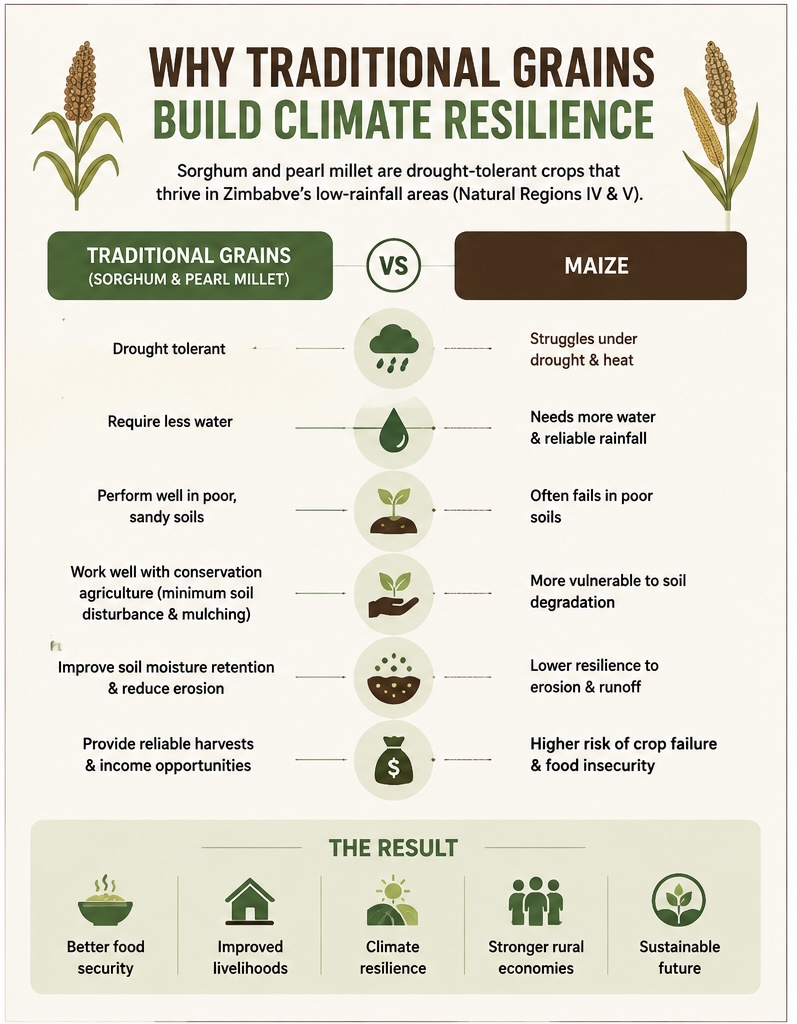
Traditional grains help build climate resilience: Source: Journalist Johnson Siamachira Own Creation.
That is where the project’s real test lies.
According to Mugova, MASAP is investing in farmer training so smallholders can become credible and reliable suppliers, while companies receive technical assistance to improve contracts, deliver inputs on time, train farmers and make prompt payments.
“The win-win benefits are what will sustain the relationships between the companies and smallholder farmers post-MASAP,” he said.
For Zimbabwe, that sustainability could be more important than any single harvest.
Traditional grains have long carried the memory of an older agricultural system, one in which farmers planted several crops rather than putting nearly all their land into maize. Research has shown that the decline in crop diversity increased the risk of total crop failure in drought-prone communal areas.
The challenge now is not simply to bring those crops back to the field. It is to bring them into profitable value chains.
That means seed companies, farmers, processors, financiers, insurers, government and consumers all have a role to play.
The fields of Mudzi and Tsholotsho offer a glimpse of what that future might look like.
Here, climate adaptation is not an abstract policy document. It is a sorghum head surviving a dry spell. It is pearl millet standing where maize once failed. It is a farmer selling grain, buying cattle and thinking beyond the next meal.
The lesson is as old as the crops themselves: survival begins with knowing the land. But the new lesson is that resilience needs a market.
If Zimbabwe can combine the wisdom embedded in traditional grains with improved seed, Conservation Agriculture, finance, insurance and reliable markets, the country’s smallest grains could help solve some of its biggest challenges — food insecurity, climate vulnerability and rural poverty.
In the drylands, the future may not be growing taller. It may simply be growing stronger.