By Sharon Tawuya
Harare, (New Ziana)-Sesame is emerging as a key cash crop capable of boosting foreign currency earnings through exports and supporting livelihoods across the agricultural value chain in Zimbabwe, the Agricultural Marketing Authority (AMA) has said.
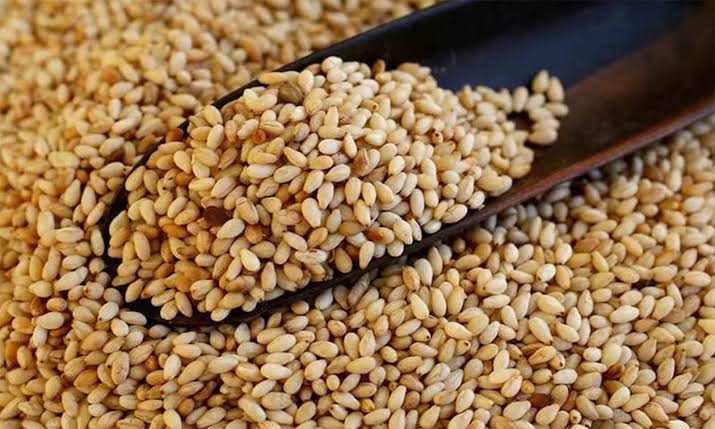
Sesame is a high-value, drought-tolerant oilseed crop thriving in hot, tropical, and subtropical climates. Requiring low input costs and minimal chemical use, it is ideal for small-scale farmers in regions like Zimbabwe. The seeds yield valuable edible oil, protein feed, and see strong global export demand.
The demand for sesame has been on a steady rise in recent years as many people now prefer healthy foods with the crop being the best alternative to cotton as it is cheap and easy to grow, as compared to other oil seeds.
The cultivation of sesame also intersects with climate change considerations. As a drought-tolerant crop, sesame has the potential to be resilient in the face of changing climatic conditions.
Its ability to thrive in semi-arid environments makes it a valuable option for Zimbabwe, which has of late been experiencing erratic rainfall patterns due to climate change.
AMA said it would continue working with producers, contractors, government institutions and other stakeholders to improve productivity, strengthen compliance, expand formal marketing channels and position sesame as an increasingly important high-value and export-oriented crop.
“AMA commends all farmers, contractors and value chain stakeholders who contributed to the continued development and formalisation of Zimbabwe’s sesame industry,” it said.
Meanwhile, AMA has announced that the 2025/26 sesame marketing season has closed after 2.3 million kilograms of sesame valued at approximately US$1.84 million were recorded through registered buyers.
In it latest update, the AMA said the season closed on Friday last week.
“The Agricultural Marketing Authority (AMA) wishes to notify all sesame producers, contractors, buyers, traders and stakeholders that the 2025/26 sesame marketing season officially closed on 14 August 2026. During the season, a total of 2,315,001 kilograms of sesame, valued at approximately US$1.84 million, was formally recorded through registered buyers,” it said.
As part of efforts to promote orderly marketing and curb side-marketing, AMA said it intensified compliance monitoring during the season.
“As part of efforts to promote orderly marketing and curb side-marketing, AMA intensified compliance monitoring during the season. A total of seven compliance tickets valued at US$7,000 were issued for identified violations. In addition, 26,096.33 kilogrammes of sesame valued at approximately US$18,630.80 was confiscated and auctioned during compliance operations,” it said.
AMA said preparations for the 2026/27 summer production season are now underway.
“Preparations for the 2026/27 summer production season are now underway. Registered and prospective sesame contractors are reminded to submit their 2026/27 summer cropping and contracting plans to AMA in line with the prescribed requirements and timelines. AMA will continue working with producers, contractors, Government institutions and other stakeholders to improve productivity, strengthen compliance, expand formal marketing channels and position sesame as an increasingly important high-value and export-oriented crop,” it said.
Tanzania is the world’s largest producer of sesame seeds and one of the continent’s largest exporters, according to the latest available data from the Food and Agricultural Organisation (FAO).
Other top sesame-producing countries in Africa include Ethiopia, Uganda and Nigeria while the major exporting destinations for sesame are China, Japan, India and Singapore. According to a FAO report issued in 2023, the global sesame market was expected to jump to US$17.7 billion by 2025.
New Ziana