

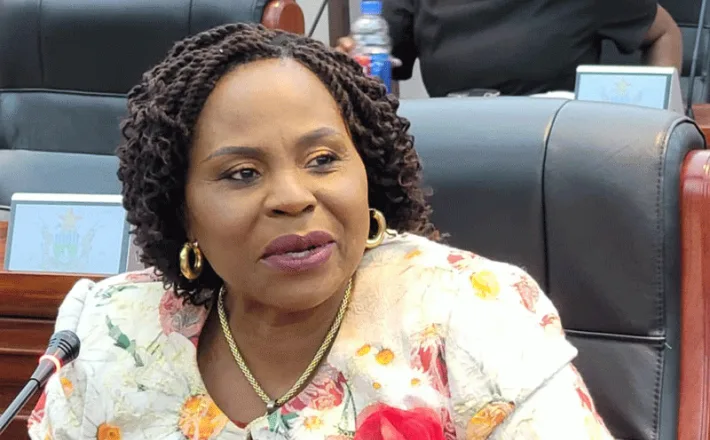
Harare,(New Ziana) -Small and Medium Enterprises (SMEs) are crucial for transforming rural economies in Zimbabwe through creating jobs and adding value to primary products, a Cabinet Minister has said.
Women Affairs, Community, Small and Medium Enterprises Development Minister, Senator Monica Mutsvangwa said this at the 2nd Harare Forum for Africa held in Harare on Tuesday.
“More than just businesses, SMEs are engines of transformation turning primary production into value-added goods such as dried fruits, peanut butter, and arts and crafts among others in the rural communities,” she said.
She said by creating jobs, retaining wealth within communities, stimulating local markets and exports, and reducing reliance on external supply chains, SMEs have the capacity to shift rural economies from resource extraction to vibrant, self-sustaining industrial hubs.
Highlighting government commitment to inclusive economic growth, Mutsvangwa noted that women make up 52.1 percent of the 4.8 million full-time employees in the country.
“This ensures that previously marginalized groups, especially women, play a leading role in shaping the prosperity of our nation in line with His Excellency, the President Dr E.D Mnangagwa’s mantra of “Leaving No One and No Place Behind,” she added.
The forum, which ran under the theme “Rural Development and Modernisation” brought together government officials, scholars, business leaders, and development partners to deliberate on innovative strategies for addressing challenges in rural areas in Zimbabwe.
Speaking at the same event, Chinese ambassador to Zimbabwe, Zhou Ding, said the experience of his country in rural development could support Zimbabwe’s modernisation drive.
He noted that over the past 40 years, China has lifted 800 million people out of poverty, lessons that Zimbabwe could adapt to its context. “We believe that China’s path to rural development, China’s experiences and lessons can benefit Zimbabwe’s own development drive in the rural areas.
In the past years, we supported different kinds of cooperation and assistance programs to facilitate Zimbabwe’s rural infrastructure development to address food security,” he said.
Zhou said collaboration between China, Zimbabwe, and multiple United Nations agencies would assist in advancing the country’s vision to become an upper middle income economy by 2030 as well as the Rural Development 8.0 Initiative.
“As Zimbabwe advances its Vision 2030 and Rural Development 8.0 Initiative, China remains committed to supporting Zimbabwe in achieving these ambitions,” he said. National Arts Council of Zimbabwe chief executive Napoleon Nyanhi also stressed the importance of empowering young people to thrive in the Fourth Industrial Revolution while remaining rooted in national values.
“We also remain rooted in our values of “Ilizwe lakhiwa Ngabanikazi Balo” (a nation is built by its own people). I encourage all participants to engage in meaningful hands-on efforts that will lead to concrete outcomes, empowering young people in shaping Africa’s modernisation journey,” he said.
The forum highlighted the importance of technology, institutional support, and international cooperation in building thriving agricultural sectors and strong rural economies as part of Zimbabwe’s developmental agenda.
New Ziana






