Bulawayo, (New Ziana)- The PlanetGOLD Zimbabwe Project is targeting a 4.85-tonne reduction in mercury use by artisanal and small-scale gold miners, with improved access to finance identified as key to achieving the goal.
Speaking during a dialogue on unlocking financing mechanisms for artisanal and small-scale miners on Friday, the project manager Nyaradzo Mutonhori highlighted that affordable funding is essential for miners to acquire mercury-free gold-processing technologies.
The planetGold Zimbabwe is a five year initiative supported by the Global Environment Facility(GEF),led by the United Nations Environment Programme(UNEP).
It is being implemented by IMPACT in partnership with the Ministry of Mines and Mining Development, the Ministry of Environment, Climate and Wildlife and the Environment Management Agency(EMA).
“The aim of the project is to reduce the use of mercury by 4.85 tonnes by the end of the project period, in line with the Minamata Convention on Mercury,” Mutonhori said.
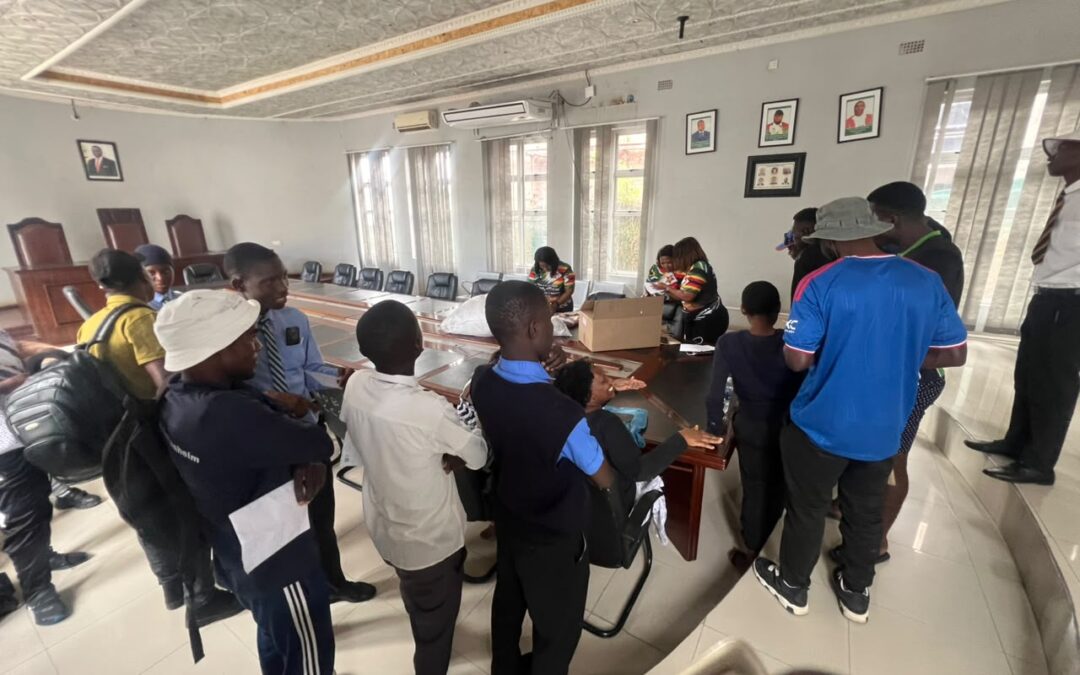
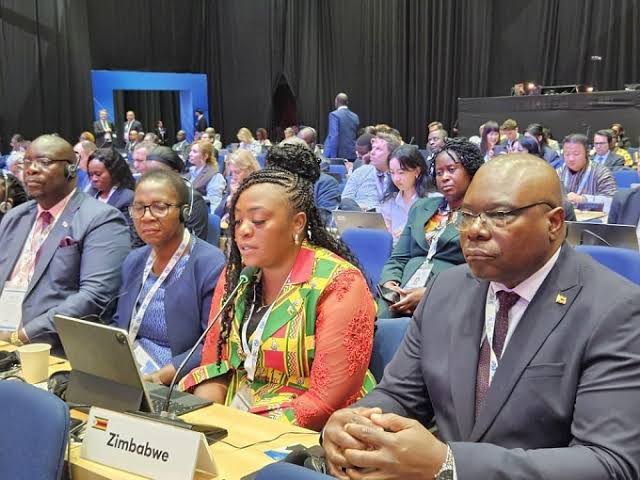
The dialogue convened banks, financial service providers, policymakers, regulators and miners to explore practical ways of financing the shift to cleaner processing methods.
“Today, we are here, where we are convening a dialogue on unlocking access to financing mechanisms for the artisanal and small-scale gold mining sector to facilitate the adoption of mercury-free gold processing technologies,” she noted.
Mutonhori explained that the availability of mercury-free technology alone would not be enough if miners could not afford to buy it.
“We have convened stakeholders around the understanding that the adoption of mercury-free gold processing technologies is contingent upon artisanal and small-scale gold miners being able to access flexible financing mechanisms that enable them to afford and purchase these technologies,” she said.
Mutonhori indicated that discussions were also focused on improving financial literacy among miners and reducing the perceived risk attached to the sector by banks and other lenders.
“Together, we are working on solutions to address the challenges facing the sector, particularly issues around financial literacy and de-risking the artisanal and small-scale gold mining sector so that it becomes more attractive and viable to financial service providers and banks,” she explained.
She added that the envisaged financing models must help miners become bankable, enabling them to secure funding for safer, mercury-free gold-processing equipment and build more sustainable mining businesses.
“The financing mechanisms we develop should ultimately be centred on ensuring that artisanal and small-scale gold miners become bankable and are able to access the financing they need to invest in mercury-free gold processing technologies,” Mutonhori said.
Ends//