

By Simbarashe Muparaganda
Bulawayo, (New Ziana) — Zimbabwe should move away from treating sport as recreation to building a commercially viable industry capable of attracting investment, creating jobs and generating lasting economic value, Vice President General (Rtd) Constantino Chiwenga said on Wednesday.
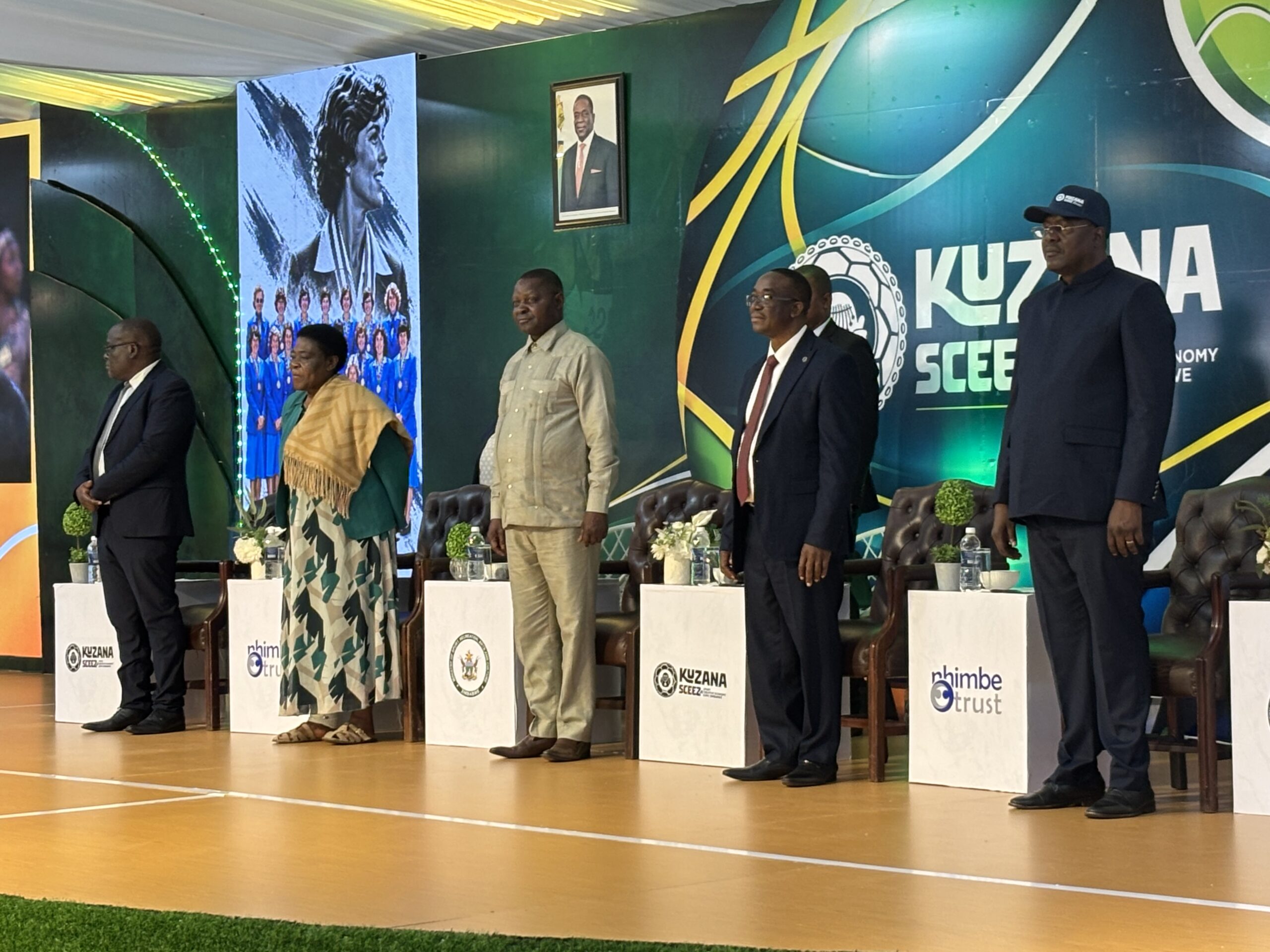
He said this in a speech delivered on his behalf by Sport, Recreation, Arts and Culture Minister Anselem Sanyatwe at the inaugural Kuzana Sport and Creative Economy Expo Zimbabwe (SCEEZ) 2026.
The Expo, running from Wednesday to Sunday at the Zimbabwe International Trade Fair (ZITF) grounds, is an inaugural platform intended to bring sport, creative industries, investors, policymakers and businesses together.
It also seeks to connect talent with capital, partnerships and commercial opportunities in support of the national vision to attain upper middle income status by 2030.
“Sport should no longer be seen as a mere pastime or recreational activity. Sport should therefore take its rightful position as a commercial enterprise, an economic asset, and a strategic national industry,” VP Chiwenga said.
He called for stronger institutions, investment structures and commercial networks to turn the country’s sporting talent into sustainable value.
“We should therefore strengthen intellectual property protection, develop commercially sustainable sporting properties, and attract investment into the infrastructure required to support a modern and globally competitive sport industry,” he said.
VP Chiwenga said the sector remains underfunded and largely focused on survival, with many disciplines relying on goodwill and charitable support, adding sound governance is essential for building investor confidence as well as attracting domestic and international capital into the sector.
“Sporting institutions needed to be professionally managed, financially accountable and commercially credible,” he said.
He described the expo as an opportunity to align sport and the creative economy with national development, including employment, tourism, infrastructure and enterprise growth.
“The Kuzana Expo provides an important platform for strategic alignment across the sport and the creative ecosystem. It sends a very clear economic message that the country is ready to reposition sport as a serious economic sector,” he said.
VP Chiwenga implored stakeholders to turn the Expo into a place for practical cooperation, with measurable outcomes and stronger links between government, sporting bodies, creative industries and businesses.
He said Zimbabwe’s participation in international competitions was also a way to promote national identity, strengthen relations and create opportunities for young people.
“Sport could serve as an instrument of diplomacy as well as an economic activity. To support growth in the sector there is need for stronger partnerships among government, private companies and financial institutions that go beyond traditional sponsorship,” the VP said, adding investors, pension funds, businesses and development partners should support sports projects with clear plans and strong earning potential.
“Such investment could help fund stadiums, modern sports complexes and high-performance training centres. Major sporting events should also be linked to tourism, bringing visitors, filling accommodation and generating spending in host cities and surrounding communities,” he said.
VP Chiwenga further called for a nationwide talent-development system connecting schools, universities, sports associations, academies and government institutions, with the aim of moving from “accidental discovery” to deliberate development of athletes, beginning at grassroots level.
“Our athletes should not only become champions, they should become ambassadors, entrepreneurs, donors, brands, and contributors to our national economy,” he said.
He reiterated government commitment to creating an environment in which sport could grow as an economic sector while continuing to serve social, cultural, health and nation-building purposes.
VP Chiwenga challenged delegates to produce a concrete trade and investment framework by the end of the conference and to use the gathering to structure partnerships that could finance the sector’s development.
New Ziana