

Harare, (New Ziana) –The Zimbabwe government on Friday commissioned $9 million worth of refuse collection equipment aimed at tackling persistent solid waste management challenges and improving service delivery in struggling municipalities.
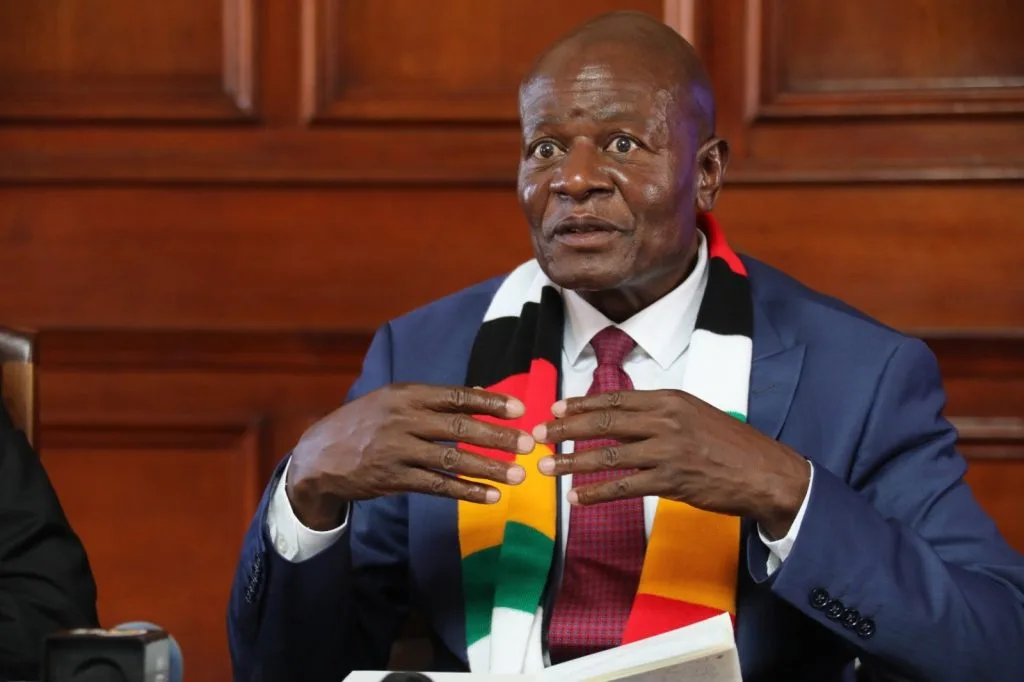
Speaking at the commissioning and handover ceremony to the newly established Local Authorities Technical Support Unit (LATSU) in the capital, Local Government and Public Works Minister Daniel Garwe said the initiative, which President Emmerson Mnangagwa approved earlier this year, would significantly enhance the capacity of local authorities to maintain clean environments.
The equipment comprises 40 refuse collection trucks, 40 tipper trucks, and 5 yellow machines, with the remaining units expected to be delivered by year-end.
It will be available for hire to local authorities facing refuse collection challenges, with nominal fees charged to ensure maintenance and sustainability.
“The state of solid waste management in some areas, especially Harare Metropolitan province, once reached the point of being declared a State of Disaster,” Garwe said, referring to the government intervention through Operation Chenesa Harare launched in January last year.
“This new fleet is a direct response to the incapacitation of councils that have failed to provide adequate waste management services due to lack of equipment and personnel.”
Garwe said the LATSU would manage and maintain the fleet, identify priority intervention areas, receive requests from councils, and deploy equipment accordingly.
The unit, chaired by the Department of Public Works, will also recover costs to keep the program running effectively.
Garwe urged councils to “up the ante” in service delivery, warning that there should be “no compromise to quality.”
He emphasized that refuse collection alone was not enough, calling for broader urban cleanliness, including removing vulnerable children from pavements, rehabilitating them, and integrating them into productive employment.
Garwe also reiterated the ban on second hand clothes sales, which he said were littering and degrading city pavements, and encouraged councils to embrace public-private partnerships as a viable solution for challenges such as street lighting.
The National Clean-Up Campaign, which President Mnangagwa launched in 2018, was singled out as a model of stakeholder collaboration that should continue to inspire a culture of cleanliness and environmental awareness.
“By 2030, we must have smart streets, well-maintained roads, and efficient waste management systems through sound leadership in our councils. This program gives you the equipment, now it’s up to us to make it work,” Garwe said.
New Ziana