

Harare, (New Ziana) – Zimbabwe is inching closer to joining the ranks of developed nations in pharmaceutical innovation, thanks to groundbreaking work by students at the University of Zimbabwe (UZ), who have developed over 30 pharmaceutical products using locally sourced materials.
This was revealed by Acting Minister of Higher and Tertiary Education, Professor Paul Mavhima, during the official handover of a state-of-the-art €2.8 million Biotechnology Centre at UZ this week. The facility, funded by the French Embassy, marks a milestone in the country’s effort to modernize scientific research and development.
Speaking to journalists at the event, Prof. Mavhima expressed admiration for the students’ innovation, comparing their work to pharmaceutical start-ups he witnessed in Malaysia a decade ago.
“We saw start-ups in pharmaceutical areas and I was really excited about the products we saw—treatments for ulcers, skin ointments, and many more. Among six start-ups, over 30 products have been developed from scratch using Zimbabwe’s natural resources,” he said.
Prof. Mavhima said this development signifies immense potential for revitalising Zimbabwe’s pharmaceutical industry and urged for swift commercialisation of the innovations.
“What I really want to see, in line with President Mnangagwa’s Education 5.0 vision, is the quick commercialisation of these products. They must become useful to the wider Zimbabwean population and stand as evidence of our young innovators’ ability to transform lives,” he said.
He added that beyond improving public health, the products could also generate income for the innovators. To support this, the government aims to streamline regulatory approval processes to ensure timely market entry.
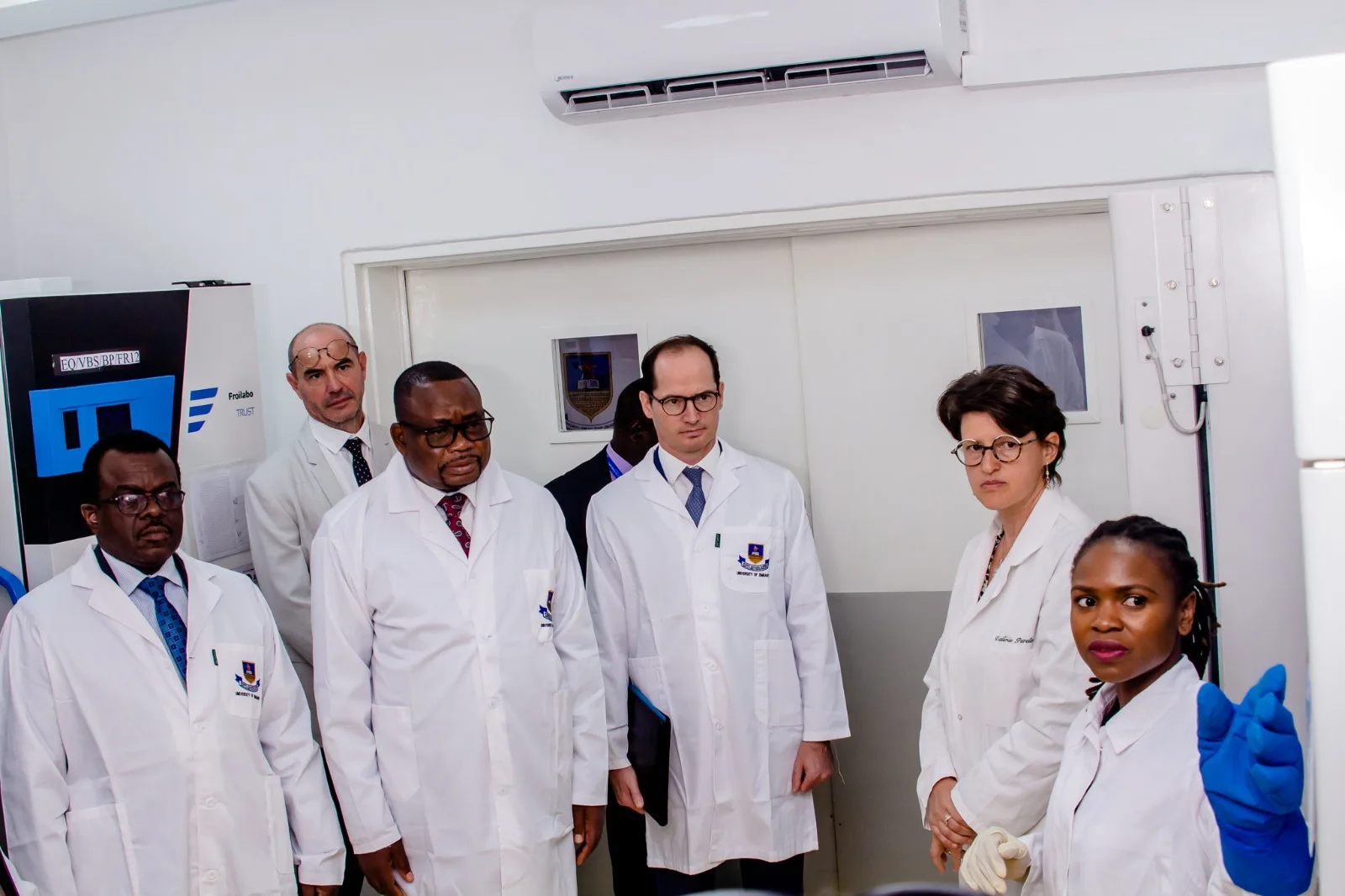
The newly commissioned Biotechnology Centre, fitted with advanced laboratory equipment, is set to support cutting-edge research and training. It will focus on diagnosing and combating diseases affecting both humans and animals, including rabies and foot-and-mouth disease.
“We’ve seen a highly advanced laboratory, developed with support from the French Embassy and its agencies. Experts from France are training our people at master’s, PhD, and technician levels to manage this critical facility. Soon, Zimbabwe will become a regional centre of excellence in disease detection,” he said.
French Ambassador to Zimbabwe, Paul-Bertrand Baret, echoed the importance of bilateral cooperation in science and innovation.
“We are proud of our partnership with UZ and Professor Paul Mapfumo. This laboratory will enhance disease detection and prevention, key to Zimbabwe’s economic growth,” he said.
Professor Mapfumo, the university’s Vice Chancellor, lauded the quality of student innovation, noting the promising future of local science and technology.
“The exhibitions you see are done by students themselves. Apart from the six start-ups launched, we have over 118 innovation stations in operation. This is the year of commercialisation, and UZ is on track to deliver,” he said.
The new developments at UZ not only signal a scientific renaissance for Zimbabwe but also underscore the power of international collaboration in advancing national goals through innovation and education.