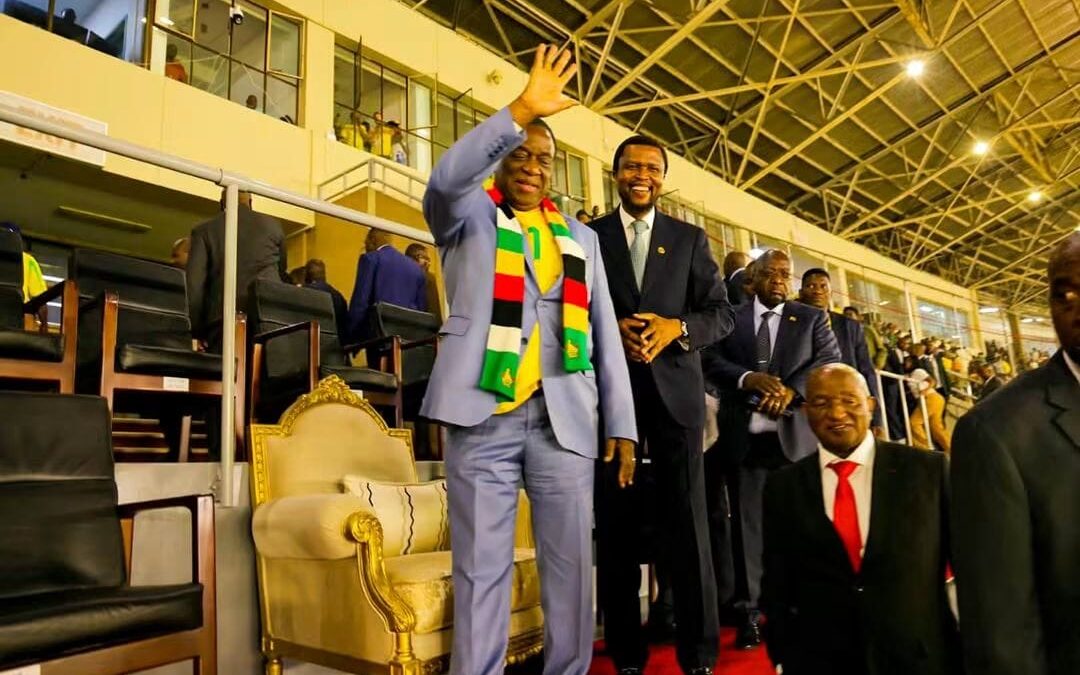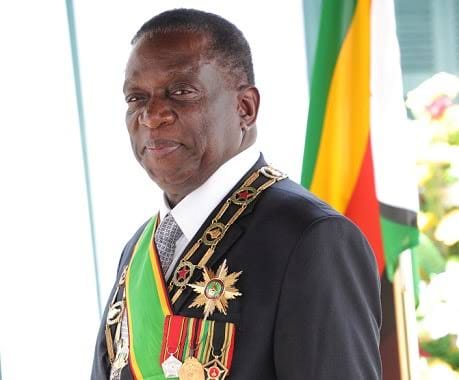

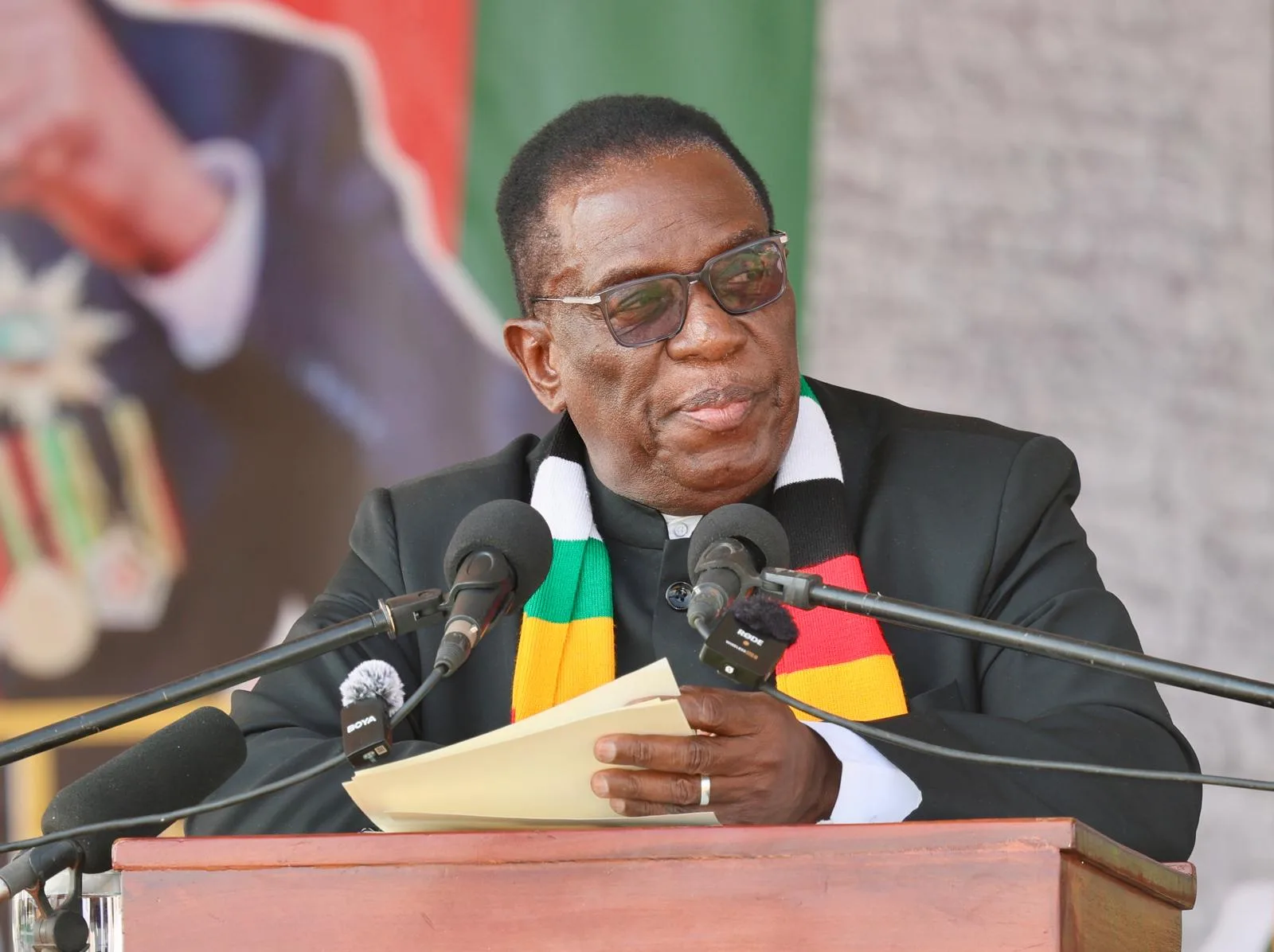
Harare, (New Ziana) – The future economic growth, industrialization and food security of Africa now hinges on its ability to urgently secure sustainable water resources amid worsening climate shocks, rising demand and growing pressure on critical infrastructure, President Emmerson Mnangagwa has said.
In a statement to mark the 2026 Africa Day commemorations in Harare on Monday, President Mnangagwa said African countries can no longer afford to view water merely as a natural resource, but as a strategic economic asset capable of driving industrial development, energy production, regional integration and millions of jobs across the continent.
His remarks come at a time when many African nations, including Zimbabwe, continue to battle recurring droughts, destructive floods, water shortages and climate-induced agricultural disruptions that have left millions vulnerable to food insecurity and economic hardship.
“We must fundamentally shift our paradigm to recognize water as a strategic economic asset,” he said, adding that Africa was witnessing unprecedented disruptions to its hydrological cycles as droughts and floods increasingly become persistent features in many communities.
President Mnangagwa said the theme for the Africa Day commemorations this year, “Assuring Sustainable Water Availability and Safe Sanitation Systems to Achieve Agenda 2063,” was both timely and critical to the future of the continent.
He noted that water remained the lifeblood of Africa’s development aspirations, underpinning agriculture, industrialization, energy generation and public health.
“Access to safe water, sanitation, and hygiene is a basic human need for health and well-being,” he said, adding that water was also central to Africa’s push for economic growth and job creation.
President Mnangagwa however expressed concern over increasing pressure on water resources due to rapid population growth, urbanization and expanding industrial and agricultural demand across the continent.
He said agriculture currently accounts for 73.4 percent of Africa’s water withdrawals, yet the continent is utilizing only five percent of its irrigation potential, a situation he said continues to hamper agricultural productivity and food security.
President Mnangagwa also highlighted Africa’s untapped hydropower potential, saying only between 15 and 30 percent has been harnessed despite growing electricity demands needed to support industrialization efforts.
“With only 15 to 30 percent of Africa’s hydropower potential tapped, we have the opportunity to light up and industrialize our continent while creating millions of jobs,” he said.
He called for urgent investments in water infrastructure and innovation, saying governments, communities, research institutions, development partners and the private sector all had a role to play in addressing the continent’s growing water challenges.
Innovation, science and technology, he said, should become central pillars in improving water harvesting, waste-water recycling, solar-powered water systems and digital monitoring technologies across Africa.
President Mnangagwa also challenged African universities and innovators to develop home-grown solutions tailored to the continent’s unique challenges.
“The future of our continent depends on our ability to harness African knowledge, resources and ingenuity,” he said, reaffirming the philosophy of “African solutions to African problems.”
Highlighting Zimbabwe’s own efforts towards improving water security and sanitation, President Mnangagwa pointed to ongoing national projects such as the Chirundu Water Supply and Sanitation Project Phase One as well as the Glassblock Bopoma Dam and Pipeline Project aimed at improving water supply in Bulawayo and surrounding areas.
He also referenced the “Empowering Women-Led Drone Enterprises for Water-Efficient Agriculture and Livelihood Diversification in Zimbabwe” initiative, which seeks to utilize advanced drone technologies to promote climate-smart agriculture while empowering women economically.
Zimbabwe, he said, remains committed to the ideals of Pan-Africanism, solidarity and regional integration, while urging young people to embrace patriotism, environmental stewardship, discipline and innovation as Africa advances towards the aspirations of Agenda 2063.
New Ziana