By Simbarashe Muparaganda
Bulawayo, (New Ziana) – The growing burden of non-communicable diseases (NCDs) among country’s uniformed personnel is emerging as a significant threat to operational readiness, highlighting the need for integrated healthcare systems capable of simultaneously managing HIV, chronic illnesses and mental health conditions, a senior military official said on Wednesday.
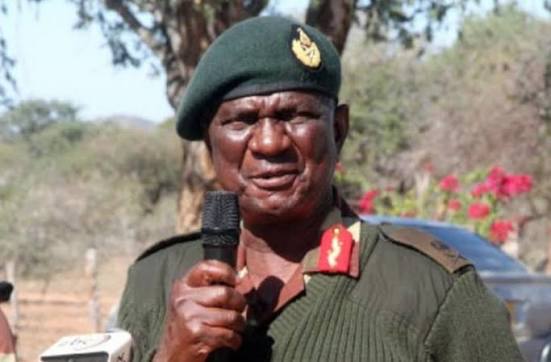
Zimbabwe Defence Forces (ZDF) Commander, General Emmanuel Matatu said this at the 13th Zimbabwe Uniformed Forces Health Services conference in Bulawayo.
The conference, which is being held under the theme: “Integrated Health Futures, Addressing HIV, Non Communicable Diseases and Comorbidities In A Changing World” is being attended by uniformed forces from SADC countries including Angola, Malawi, Zambia, Mozambique,Tanzania and Namibia.
Institutions of higher learning, medical equipment suppliers and other healthcare stakeholders are also participating in the conference.
“While significant progress had been made in reducing HIV infections within the region’s uniformed services, rising cases of hypertension, diabetes, heart disease and cancers were presenting new challenges that required a fundamental shift in healthcare delivery,” he said.
Gen Matatu highlighted that health of security personnel was directly linked to national security.
“For us in uniform, health is not just a personal issue but a matter of operational readiness. A healthy force is a ready force, more so in this era where the health challenges we are facing are more complex than ever before,” the army general said.
He noted that across southern Africa, sustained investment in HIV prevention and treatment had enabled many uniformed forces to reduce new infections by more than 40 percent since 2010, resulting in personnel living longer and healthier lives.
However, Matatu said increased life expectancy had also brought a sharp rise in chronic illnesses.
“Today, in many of our uniformed health services, non-communicable diseases account for nearly one in every three consultations, representing about 33 percent.
“They have become a new threat, particularly among personnel aged 40 years and above where conditions such as hypertension are now very common,” he said.
Gen Matatu said a growing number of soldiers were now living with multiple health conditions simultaneously, with HIV patients increasingly developing diabetes or hypertension, creating complex comorbidities that traditional healthcare systems were not designed to manage.
“For many years our health systems were designed to tackle one disease at a time.
“Today, a patient walks into a military clinic with three different conditions and traditionally should visit three different doctors on three different days.
“Instead, the patient needs one team, one plan and one record. That is what we mean by integrated health services,” he said.
Gen Matatu said integrated healthcare should begin at primary healthcare facilities, where every patient tested for HIV should also be screened for hypertension and other chronic diseases, while diabetes patients should routinely receive mental health assessments.
He highlighted that continuity of care was equally important, particularly for personnel deployed to border posts or peacekeeping missions.
“When a service member is deployed, their medical records and treatment plans must travel with them to ensure there are no interruptions in treatment,” Gen Matatu said.
He said about 11 percent of the country’s adult population was living with HIV, while regional military health data showed hypertension affected nearly 25 percent of uniformed personnel over the age of 35 and diabetes about eight percent of the same group.
He said personnel living with both HIV and NCDs faced more than double the risk of hospitalisation.
Gen Matatu implored SADC member states to strengthen regional collaboration by sharing best practices, harmonising training standards and jointly investing in research and procurement of health technologies.
“Some countries in the region had already introduced integrated electronic health records for uniformed personnel and multidisciplinary training programmes that equipped health workers to manage both infectious and chronic diseases,” he said.
The ZDF commander also stressed the need to strengthen mental health services within uniformed forces, saying stress, anxiety and depression frequently accompanied HIV and chronic illnesses in high-pressure working environments.
“An integrated approach must include psychological support as a standard part of care,” he said.
Gen Matatu challenged delegates attending the conference to focus on practical reforms capable of improving health service delivery within the next six to 12 months rather than producing resolutions without implementation.
“The ultimate objective of all our efforts is simple, thus to safeguard the health and well-being of the men and women who serve our great nations with distinction.
“A healthy force is not just a medical luxury, but a strategic necessity that underpins our national security and our regional stability,” he said.
New Ziana