Harare, (New Ziana) – The Zimbabwe government has approved a new Nutrition Financing Strategy aimed at safeguarding the gains made in the fight against hunger, while stepping up efforts to curb the growing burden of obesity and diet-related non-communicable diseases (NCDs).
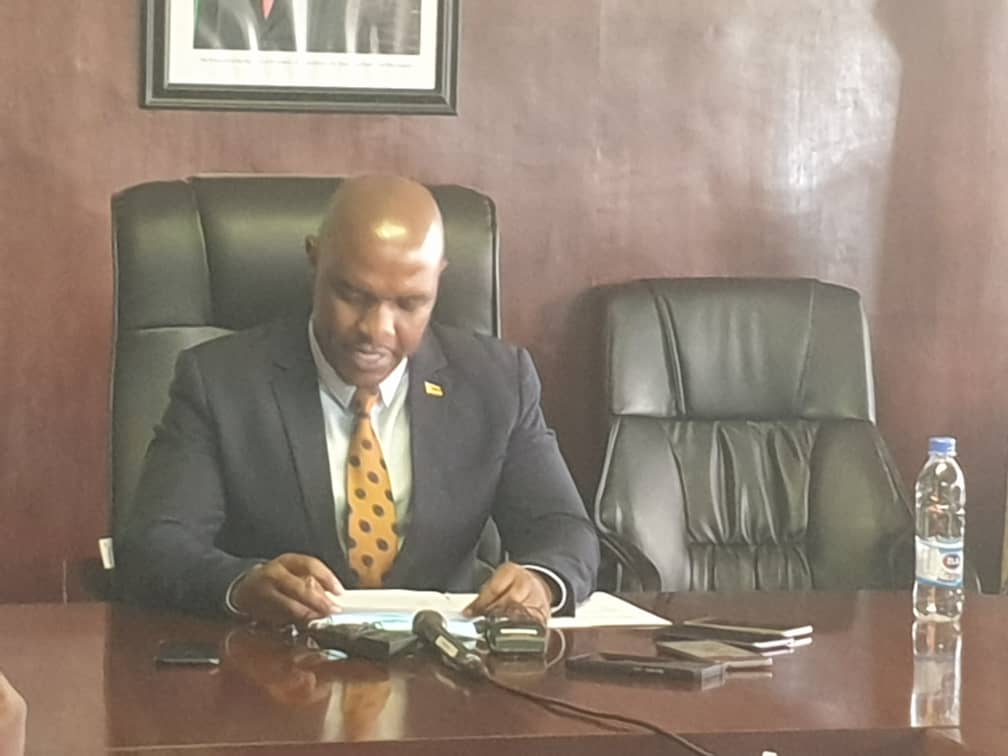
The Minister of Information, Publicity and Broadcasting Services Zhemu Soda said this while addressing the media after the Cabinet meeting on Tuesday.
He said Cabinet had approved the strategy after noting significant progress in improving food security and nutrition across the country.
“Cabinet noted and approved the Nutrition Financing Strategy,” he said, adding that Vice President General (Retired) Constantino Chiwenga presented the program in his capacity as chairperson of the Cabinet Committee on Food Security and Nutrition.
Soda said Cabinet was satisfied that sustained government interventions had contributed to a marked reduction in hunger, with Zimbabwe’s Global Hunger Index score improving from 35.5 in 2000 to 20.9 last year.
He attributed the progress to interventions including the Pfumvudza/Intwasa farming program, improved access to agricultural inputs, the Food Deficit and Drought Mitigation Program, as well as initiatives led by First Lady Auxilia Mnangagwa promoting traditional food systems.
Soda however, warned that these gains are increasingly under threat from changing dietary habits.
“Cabinet noted that the nutrition gains are threatened by the increasing consumption of Sugar Sweetened Beverages and fast foods leading to rising rates of obesity, overweight and diet-related non-communicable diseases,” he said.
He said to address the challenge, the new strategy will channel revenue collected from taxes on sugar-sweetened beverages and fast foods into nutrition and NCD prevention programs.
“The Nutrition Financing Strategy will therefore increase resources towards nutrition and Non-Communicable Disease prevention programs through the deployment of resources from Sugar Sweetened Beverages and fast-food tax revenue,” he said.
The funds will support programs under several strategic pillars, including health and nutrition, agriculture and food systems, human capital development, social protection, water, sanitation and hygiene (WASH), advocacy and communication, research and innovation, as well as coordination and program management.
According to Soda, the strategy adopts a multi-sectoral implementation framework involving various Ministries, departments and agencies to ensure coordinated action.
Some of the priority interventions include scaling up nutrition programs focusing on the first 1 000 days from pregnancy, expanding primary healthcare NCD prevention initiatives, promoting food fortification and food safety and increasing production of nutrient-dense foods.
Others include strengthening traditional and climate-resilient food systems, supporting smallholder farmers, enhancing school health and nutrition programs, and rolling out nutrition education for communities and young people.
The strategy also prioritizes behaviour change communication, consumer awareness campaigns, nutrition surveillance systems and research to generate evidence for informed policy decisions.
Soda said the government would intensify public education to ensure nutrition policies are better understood by citizens.
“Going forward, technical nutrition policies will be translated into accessible and widespread public information,” he said.
The strategy is expected to strengthen Zimbabwe’s long-term response to malnutrition in all its forms while ensuring that improvements in food security are matched by healthier diets and better nutrition outcomes for all citizens.
New Ziana