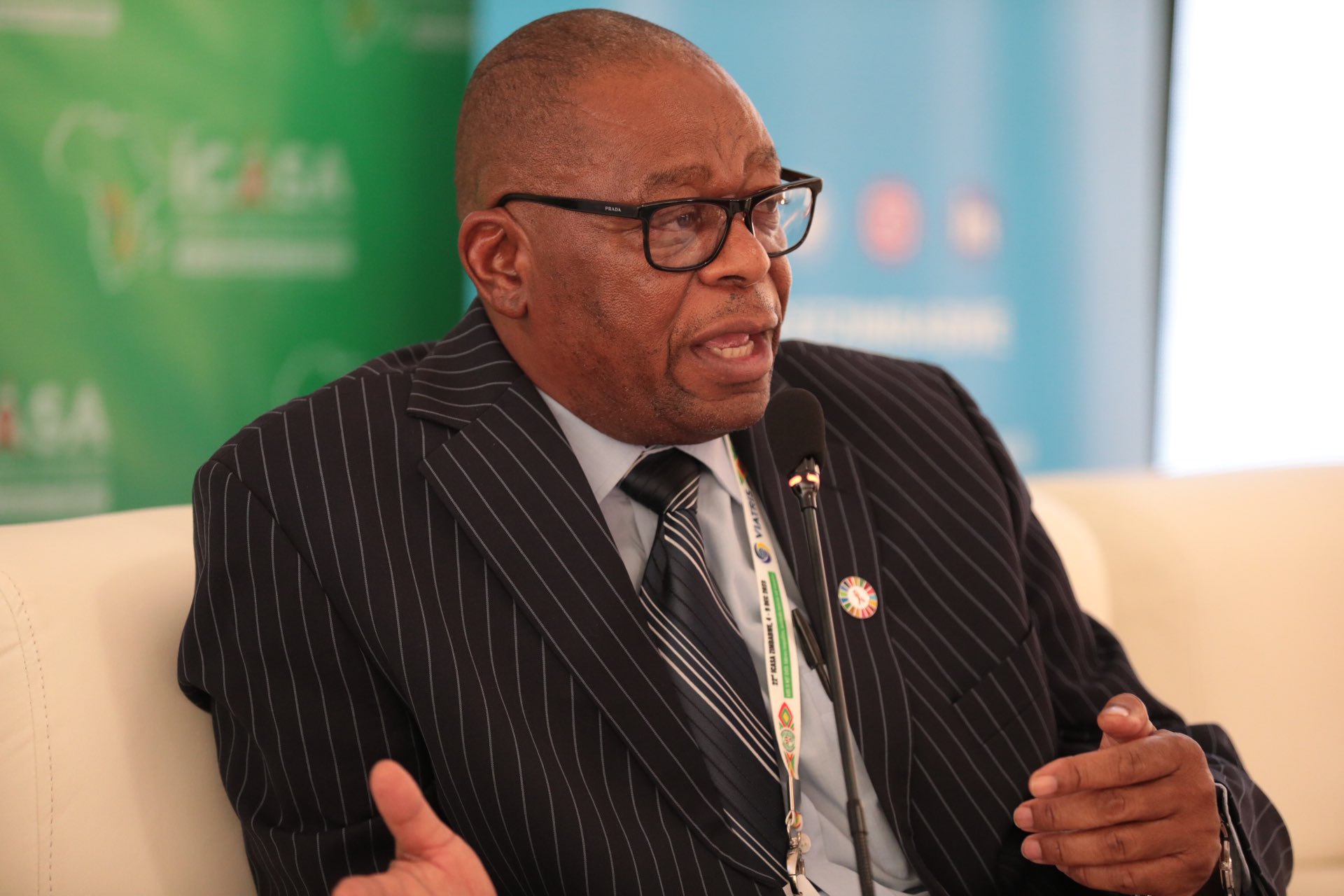
“The Government of Zimbabwe upholds reproductive rights, empowering individuals to choose the number, timing, and spacing of children they want to have, free from coercion,” he said.
The report, launched by the United Nations Population Fund (UNFPA) in partnership with the Zimbabwean government and development partners, is titled “The Real Fertility Crisis: The pursuit of reproductive agency in a changing world.”
It finds that 1 in 5 people globally are not having the number of children they desire, not because they reject parenthood, but because they face barriers like the high cost of child-rearing, healthcare, job insecurity, and difficulty finding suitable partners with the findings reflecting Zimbabwe’s own demographic shifts.
According to the 2023–24 Zimbabwe Demographic and Health Survey, the Total Fertility Rate (TFR) has stabilized at 3.9 children per woman, down from 4.3 in 1994.
Fertility remains higher in rural areas (TFR 4.6) than urban areas (TFR 3.1), with wealthier women generally having fewer children while those in the highest income bracket average 2.6 children, compared to 5.5 in the lowest quintile.
Women’s delayed entry into motherhood, with urban women beginning childbearing at an average age of 21.1 years versus 19.4 in rural areas, and workplace pressures are cited as contributing factors.
“Even if women desire more children, childcare responsibilities often limit their professional growth,” said Dr. Mombeshora.
The SWOP report warns that gender inequality continues to shape fertility decisions as women carry 3 to 10 times more unpaid domestic and caregiving work than men, a dynamic that makes it harder to achieve desired family sizes.
At least 14 per cent of those surveyed globally cited the lack of a partner or a suitable one as a reason for not having more children.
Speaking at the same occasion UNFPA executive director Dr. Natalia Kanem said the issue was lack of choice, not desire, with major consequences for individuals and societies.
UNFPA country representative Miranda Tabifor said the report underscores a critical truth which is that the ability to choose the size and timing of one’s family is a fundamental human right.
The 2025 SWOP report calls on governments worldwide to tackle structural barriers by investing in affordable housing, decent work opportunities, parental leave, and comprehensive reproductive health services.
New Ziana