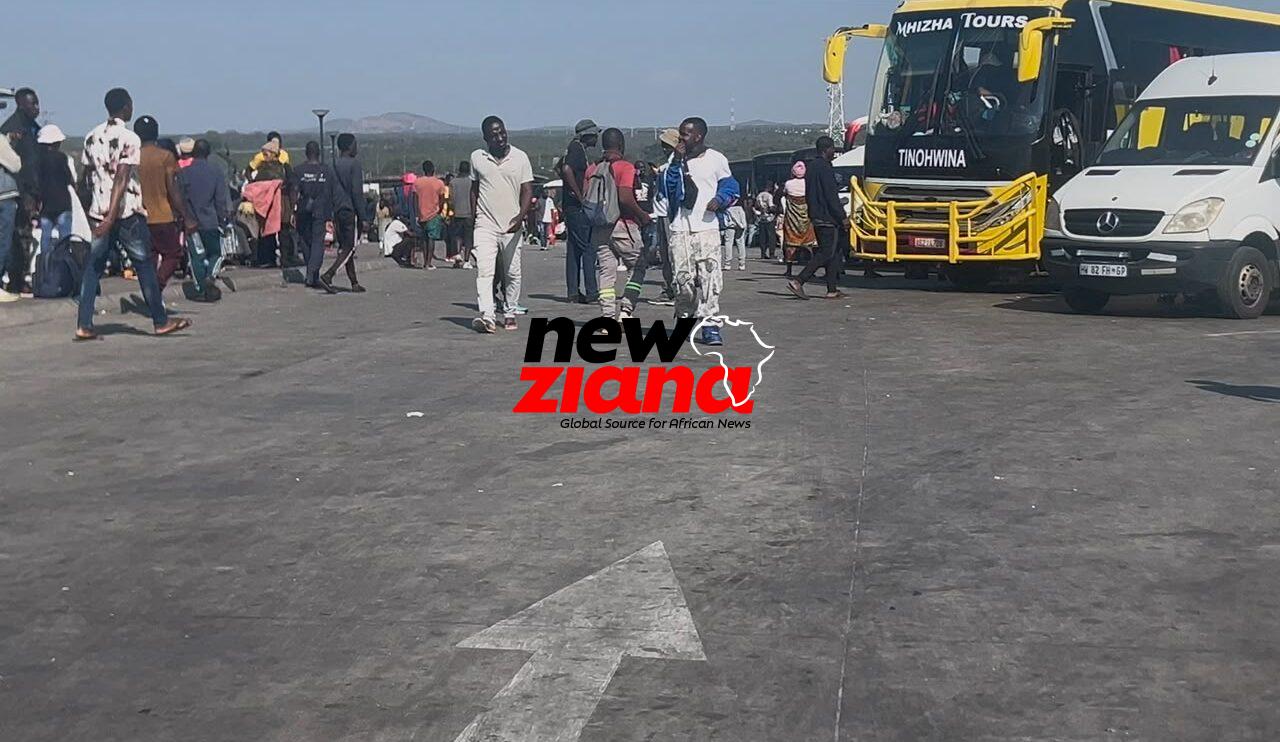
Harare, (New Ziana) – More than 155 000 Zimbabweans have now returned home from South Africa, with government-assisted and self-repatriation movements continuing amid the anti-migrant disturbances that swept parts of the neighbouring country in recent months.
Giving an update at the post-Cabinet media briefing on Tuesday, the Acting Minister of Information, Publicity and Broadcasting Services Monica Mutsvangwa said a total of 155 264 Zimbabweans had been recorded as having returned through the Beitbridge border post as at August 16, comprising 42 339 government-assisted repatriations and 112 863 people who made their own way home.
A further 1 035 self-repatriations were recorded through Botswana border entry points, including Plumtree, Mphoengs, Maitengwe and Mlambapele, bringing the recorded movement of Zimbabwean returnees through the various routes to at least 156 299.
The latest figures underline the scale of the population movement triggered by heightened anti-immigrant tensions in South Africa, where undocumented foreign nationals have faced growing pressure to leave amid protests, vigilantism and concerns over xenophobic attacks.
The disturbances intensified from around March and continued into June, with fringe groups and anti-migrant campaigners demanding that undocumented foreigners leave South Africa, prompting Zimbabwe and other affected countries to establish mechanisms to facilitate the safe return of their nationals.
South African authorities have simultaneously intensified immigration enforcement and established a Temporary Repatriation Processing Centre in Musina to process foreign nationals returning to their countries.
South African government figures have shown Zimbabweans among the largest groups being processed alongside Malawians and Mozambicans.
Mutsvangwa said Cabinet had received an update on the ongoing repatriation and reintegration program from Local Government and Public Works Minister Daniel Garwe, who chairs the Cabinet Committee on Environment, Emergency Preparedness, Disaster Prevention and Management.
She said the returnees comprised 10 437 adult males, 13 558 adult females, 8 937 male minors and 9 399 female minors, as well as 8 unaccompanied minors — 4 boys and 4 girls.
The figures show that women and children constitute a substantial proportion of those returning, placing additional emphasis on government efforts to ensure that repatriation is followed by meaningful reintegration rather than simply facilitating movement across the border.
In addition, 701 deportees have been received at the Beitbridge Reception Centre from Lindela Prison in Gauteng province, while 622 bus trips carrying returnees have so far been undertaken.
“Government continues to strengthen disease surveillance, and foster collaborative efforts with all supporting partners in order to ensure smooth repatriation and re-integration of all Zimbabwean nationals returning from the Republic of South Africa,” Mutsvangwa said.
Beyond receiving returnees, Mutsvangwa said, the government is now focusing increasingly on determining how those coming back can be absorbed into Zimbabwe’s economy and communities.
She added that profiling and documentation of returnees’ skills and qualifications was progressing, with 60 737 returnees already captured in the Skills Audit Database.
The skills audit shows a diverse workforce among those returning, with 15 percent having worked as domestic workers, 12 percent as farm workers, 7 percent as vendors, 6 percent as fruit pickers, 6 percent as bricklayers, 5 percent as hairdressers and 4 percent as caregivers.
About six percent were recorded as unemployed, while one percent were identified as small business owners.
The skills database could provide the government with an important foundation for matching returnees with employment, vocational training, entrepreneurship opportunities and other livelihood interventions as Zimbabwe seeks to absorb the growing number of citizens coming back from South Africa.
The scale of the movement has also had regional implications with Zimbabwe having assisted nationals from other countries passing through its territory, assisting 86 300 Malawian nationals to pass through.
The latest developments therefore point to a shift from an emergency repatriation operation towards a broader reintegration program, as the government seeks to ensure that returnees have access to documentation, health services, livelihoods and other support needed to rebuild their lives after leaving South Africa.
The Zimbabwe government has continued working with development partners and humanitarian organisations to support the return process, while South African authorities have maintained that migration management must be conducted within the law and that violence, intimidation and vigilantism against migrants will not be tolerated.
New Ziana