By Simbarashe Muparaganda
Bulawayo (New Ziana) – The introduction of advanced blood testing technologies has positioned Zimbabwe among the world’s leading nations in blood safety, the National Blood Service Zimbabwe (NBSZ) has said.
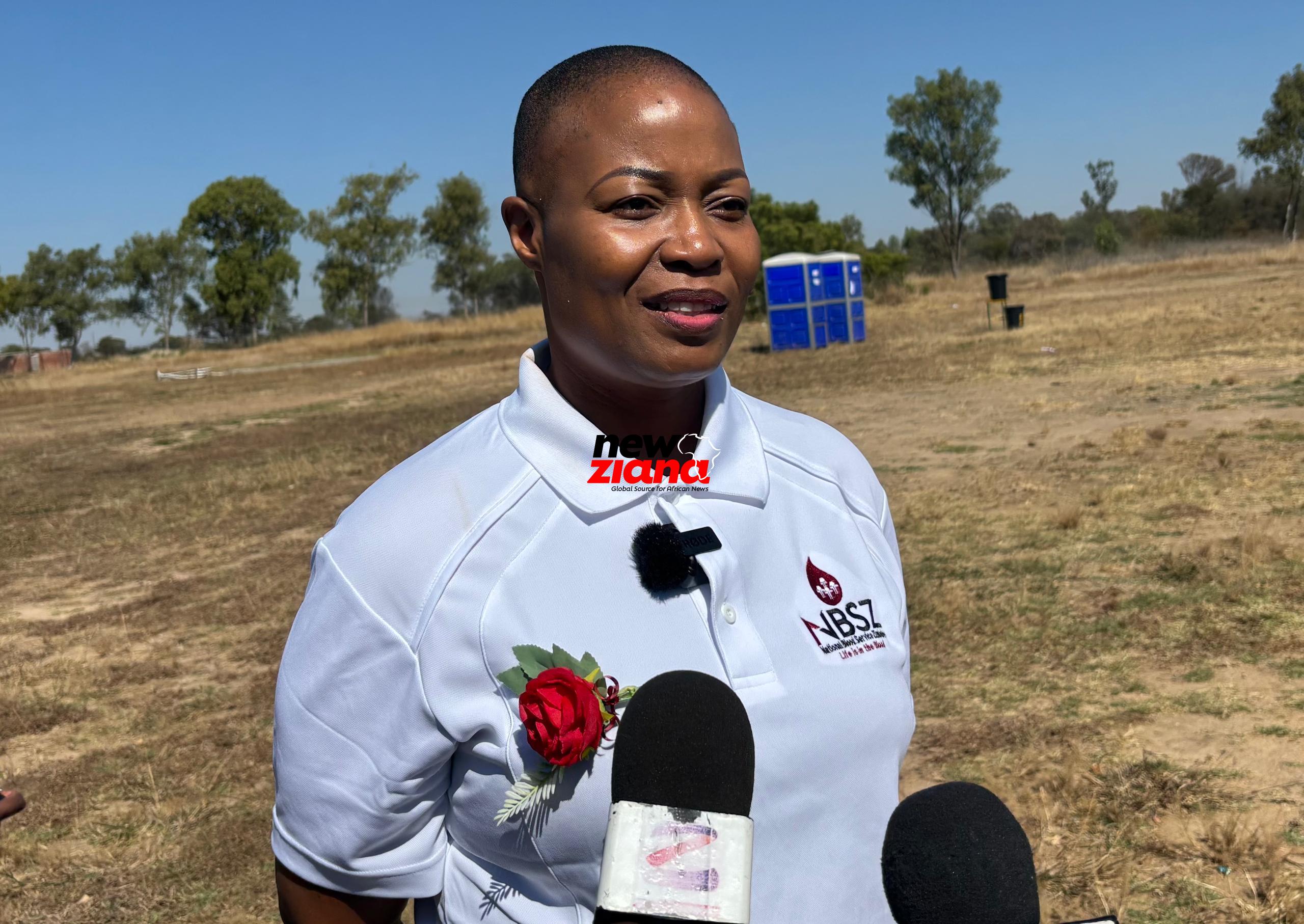
Speaking during the World Blood Donor Day commemorations at the Zimbabwe Prisons and Correctional Services (ZPCS) Ntabazinduna Training School on Friday, NBSZ chief executive officer Lucy Marowa said the country’s blood transfusion system now ranks among the best globally, giving patients confidence in the safety of blood received in hospitals.
This year’s commemorations were held under a theme, “One Drop of Humanity. Give Blood .Save Lives”.
The theme highlights the importance of young blood donors in securing a safe and adequate blood supply for future generations.
She said the introduction of Nucleic Acid Testing (NAT) technology, launched earlier this year with government support, had significantly strengthened the screening of donated blood and reduced the risk of transmitting infections through transfusions.
“Should you need to receive blood, you can be 100 percent assured that the transmission of infection is next to zero.
“So don’t be afraid if you are in any of our hospitals and you need to receive blood. You are unlikely to receive contaminated blood thanks to our next-generation testing technology.
“Zimbabwe is now among the best platforms in the world as far as blood safety is concerned. We are right there with the best of the best in the whole world,”Marowa said.
Marowa commended the Ministry of Health and Child Care for supporting the acquisition of the testing platforms and for ensuring that blood remains accessible to patients in public health institutions through a full government subsidy.
She said blood supplied to government, mission and council hospitals is provided free of charge, with user fees only applicable in private institutions.
“Government pays a 100 percent subsidy for all clients accessing blood from any public institution. If you are made to pay for blood in a government, mission or council hospital, you should report it because it means there is a case of corruption going on,” Marowa explained.
Marowa also paid tribute to voluntary blood donors whose selfless contributions continue to save thousands of lives annually.
“It doesn’t take anything special to become a blood donor. It takes love, humanity and selflessness.
“Today we are gathered here to say thank you to the men and women who have continued to give a part of themselves to save people they may never meet,” she said.
The NBSZ chief noted that this year’s commemorations marked the country’s 22nd consecutive participation in World Blood Donor Day celebrations since the global observance was introduced in 2004 and adopted as an annual event by the World Health Organisation in 2005.
Marowa said the Ntabazinduna venue held special significance for the blood service, having hosted a landmark blood drive during the COVID-19 pandemic six years ago when national blood stocks had fallen to critical levels.
“This is where it all began. It was the first time as a country that we collected more than 400 units of blood in a single day. That achievement became a turning point and inspired us to organise even larger blood drives across the country,” she said.
Marowa said they were targeting to collect 600 units during the commemorations.
World Blood Donor Day is commemorated annually on June 14 to recognise voluntary blood donors and raise awareness on the importance of regular blood donation in saving lives.
Ends//