HARARE — Zimbabwe has called for climate change interventions to reach the most vulnerable children and communities, saying climate resilience must ultimately be measured by the ability of families and communities to withstand and recover from climate-related shocks.
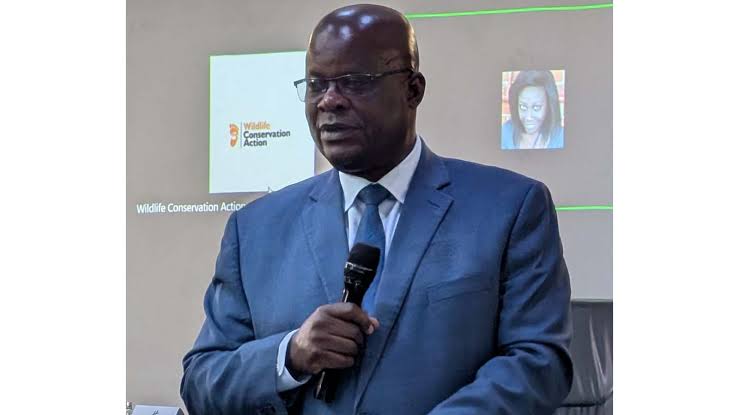
Speaking at the inaugural regional learning event under the Korea International Cooperation Agency (KOICA)-supported Climate Action for the Last Mile: Reaching the Most Vulnerable Children project in Harare on Monday, Secretary for the Ministry of Environment, Climate and Wildlife, Simon Masanga, said communities that had contributed the least to global greenhouse gas emissions were often among those facing the greatest climate risks.
“Children are particularly vulnerable because climate-related shocks can affect access to water, health services, nutrition, education and protection,” he said.
He said climate action could not be separated from Zimbabwe’s broader development agenda, as addressing climate vulnerability required coordinated interventions across multiple sectors.
Masanga said the Climate Action for the Last Mile project was important because of its multi-sectoral approach, bringing together water, sanitation and hygiene (WASH), health, nutrition, education, social protection, child protection, and social and behaviour change.
The Secretary stressed the importance of national ownership, institutional coordination and sustainability, saying successful pilot initiatives should strengthen and become part of national systems.
He said Zimbabwe remained committed to strengthening climate resilience in line with its national development priorities, including implementation of the National Climate Change Adaptation Plan and the Third Generation Nationally Determined Contribution (NDC 3.0) process.
He called for initiatives such as Climate Action for the Last Mile to remain aligned with national climate priorities while contributing to institutional capacity, evidence generation and stronger implementation systems.
Masanga also welcomed the project’s emphasis on innovation and youth participation, saying young people should be recognised as active partners in addressing climate change rather than simply as beneficiaries.
He said young people’s perspectives should inform the design of climate solutions, communication of climate risks and efforts to build resilient communities.
UNICEF country representative Etona Ekole called for stronger collaboration among governments, development partners and young people to build climate resilience and protect children from the growing impacts of climate change.
Ekole said climate change was no longer a distant environmental concern but a challenge directly affecting children’s health, education, nutrition, protection and future opportunities.
She appreciated KOICA’s support and partnership, saying its investment was demonstrating that climate action could deliver tangible benefits for vulnerable children and communities.
Ekole said the collaboration involving KOICA, UNICEF, the governments of Zimbabwe and Comoros and partners across the Asia-Pacific region demonstrated what could be achieved through a shared commitment to children’s rights and climate resilience.
“Climate change is one of the defining challenges of our time. For children, it is not a distant environmental issue. It affects their health, education, nutrition, protection and opportunities for today as well as in the future,” she said.
She noted that the effects of climate change were often most severe among vulnerable children and communities already facing social and economic challenges.
Against this backdrop, Ekole said the project had adopted an integrated, child-centred approach, bringing together interventions in WASH, health, nutrition, education, child protection, social protection and community engagement.
“Building resilience requires integrated child-centred solutions,” she said.
Ekole said the regional learning event provided an opportunity for participating countries and organisations to move beyond being project stakeholders and develop a community of practice based on the exchange of experiences and lessons.
Participants are expected to share experiences from Zimbabwe and Comoros, reflect on lessons learned, explore innovations and strengthen technical understanding of climate resilience programming.
Ekole said young people would also have an opportunity to speak directly about their priorities and aspirations for a climate-resilient future.
She said their participation was particularly important because children and young people were among those most affected by climate change, while also being potential leaders and innovators in responding to the crisis.
“Their perspectives challenge us to think differently, to act more ambitiously and to be accountable to future generations,” Ekole said.
Lessons from the discussions, will help shape the next stage of climate resilience programming, while stronger partnerships across sectors and countries could help ensure that successful interventions are sustained.
Ekole commended the governments of Zimbabwe and Comoros for their leadership and commitment.