Antony Chawagarira
MASVINGO – Stakeholders at the 8th Zimbabwe Annual Public Debt Conference have called for a shift in the country’s approach to debt management, with emphasis on justice, sovereignty and placing citizens at the centre of economic decision-making.
The three-day conference, running from 15 to 17 July 2026 in Masvingo, is being convened by the Zimbabwe Coalition on Debt and Development (ZIMCODD) in partnership with the African Forum and Network on Debt and Development (AFRODAD) and other civil society organisations.
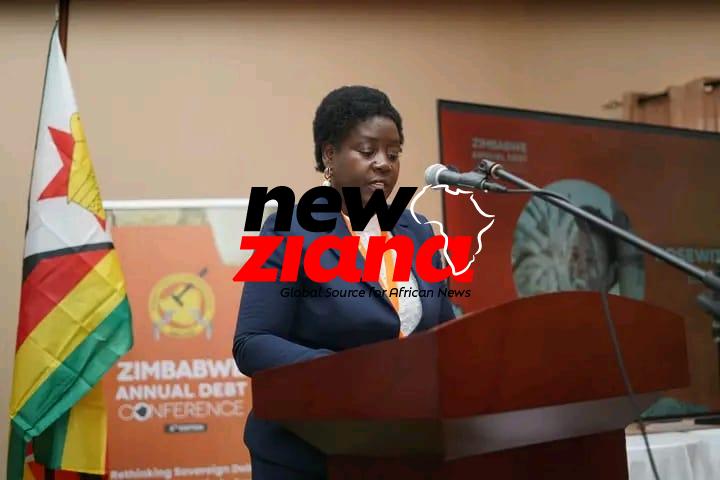
Officially opening the conference, ZIMCODD Board Chairperson Rosewita Katsande said sustainable debt management should go beyond financial considerations and focus on improving the lives of ordinary citizens.
She called for strategies that strengthen domestic resource mobilisation, safeguard investment in critical public services and promote home-grown solutions to Zimbabwe’s economic challenges.
The conference is running under the theme: “Rethinking Sovereign Debt Management in Zimbabwe: Justice, Sovereignty and People-Centred Socio-Economic Development in a Global Polycrisis.”
ZIMCODD Executive Director John P. Maketo said debt should never overshadow the welfare and dignity of people, urging stakeholders to view public debt as an issue linked to governance, democracy, development and human rights.
“Debt must never become more important than people,” Maketo said, highlighting the need for a debt management framework that prioritises citizens’ welfare.
He challenged participants to rethink sovereign debt management amid changing global economic realities, saying Africa’s growing vulnerabilities and fragmented international cooperation required renewed approaches to development financing.
Maketo also emphasised the need to revise the Harare Declaration to reflect emerging challenges brought about by global polycrises and changing patterns in development assistance.
The conference has brought together representatives from Government, Parliament, development partners, academia, labour, private sector players and civil society to discuss practical solutions towards achieving debt justice and sustainable development.
Among the organisations participating are the Centre for Natural Resource Governance, Youth Accountability Initiative, Zimbabwe Council of Churches, Economic Justice for Women Project, Zimbabwe Environmental Law Association and Fight Inequality Alliance Zimbabwe.
The discussions are expected to focus on strengthening accountability, promoting inclusive economic development and finding sustainable pathways to address Zimbabwe’s debt challenges.