Antony Chawagarira
HARARE – The government has identified three aircraft and drones for cloud-seeding operations as part of its measures to safeguard the 2026/27 agricultural season from anticipated below-normal rainfall associated with a forecasted Super El Niño.
The aircraft will be deployed from Harare, Bulawayo, and Masvingo, with operations dependent on prevailing weather conditions, according to Agriculture, Mechanisation and Water Resources Development Minister Dr Anxious Masuka.
The intervention forms part of the government’s six-pillar drought mitigation strategy, aimed at protecting food production, livestock, and livelihoods amid forecasts of erratic rainfall and elevated temperatures.
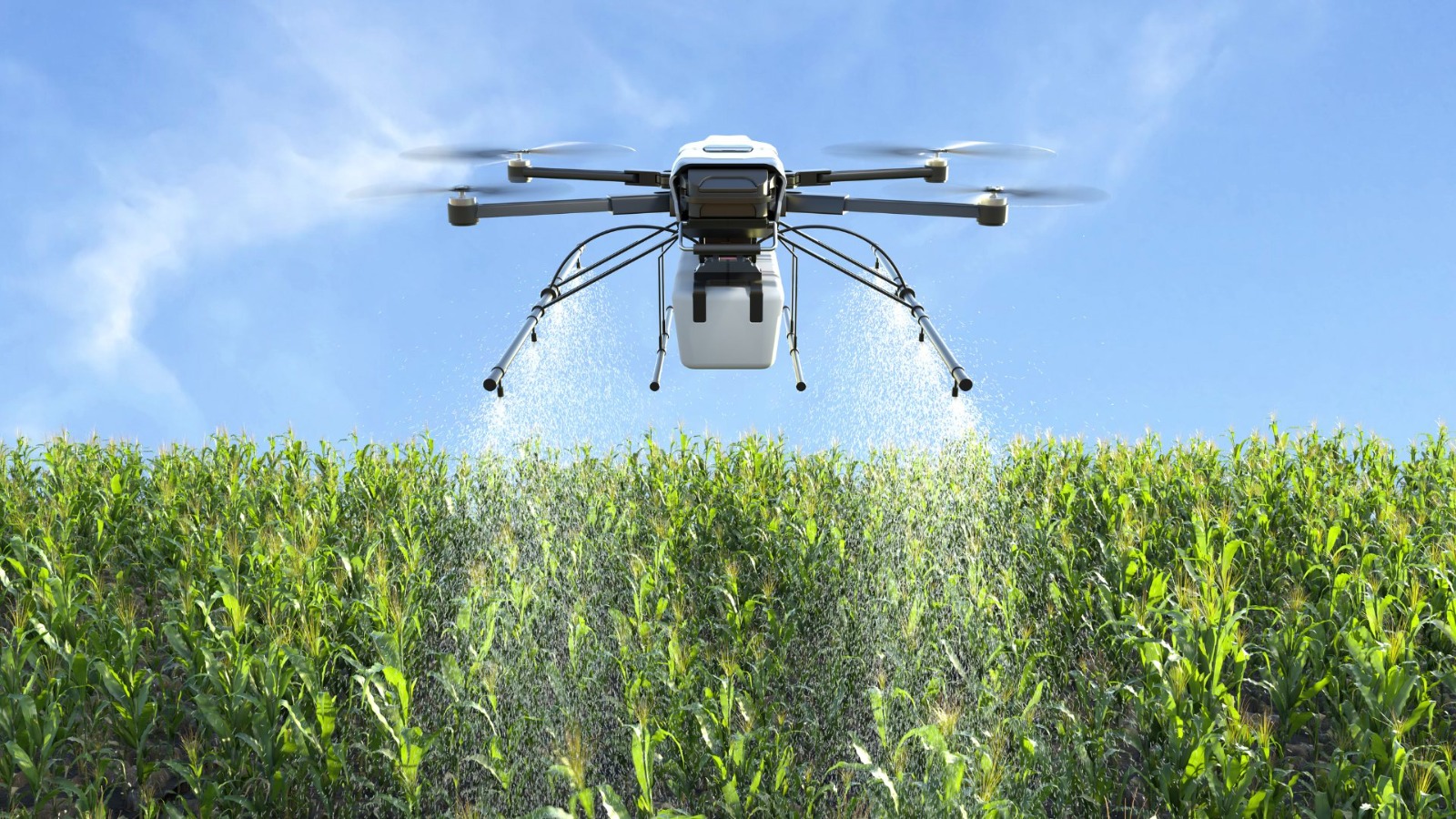
“As you are aware, the government has already approved a drought mitigation plan with six pillars. Now, this meeting has produced a contingency plan in which we have agreed to use our conventional aeroplanes and drones, which will be made available to conduct cloud seeding as needed,” said Minister Masuka.
Cloud seeding involves introducing particles into suitable clouds to encourage rainfall formation. However, the technique requires sufficient atmospheric moisture and appropriate cloud formations, making it a complement to, rather than a replacement for, irrigation and water conservation.
The government’s broader drought response includes strengthening strategic grain reserves, scaling up climate-smart agriculture, improving agricultural financing, protecting livestock, facilitating imports where necessary, and enhancing early-warning systems.
Authorities are also prioritising irrigation development as the country prepares for a potentially challenging summer cropping season.
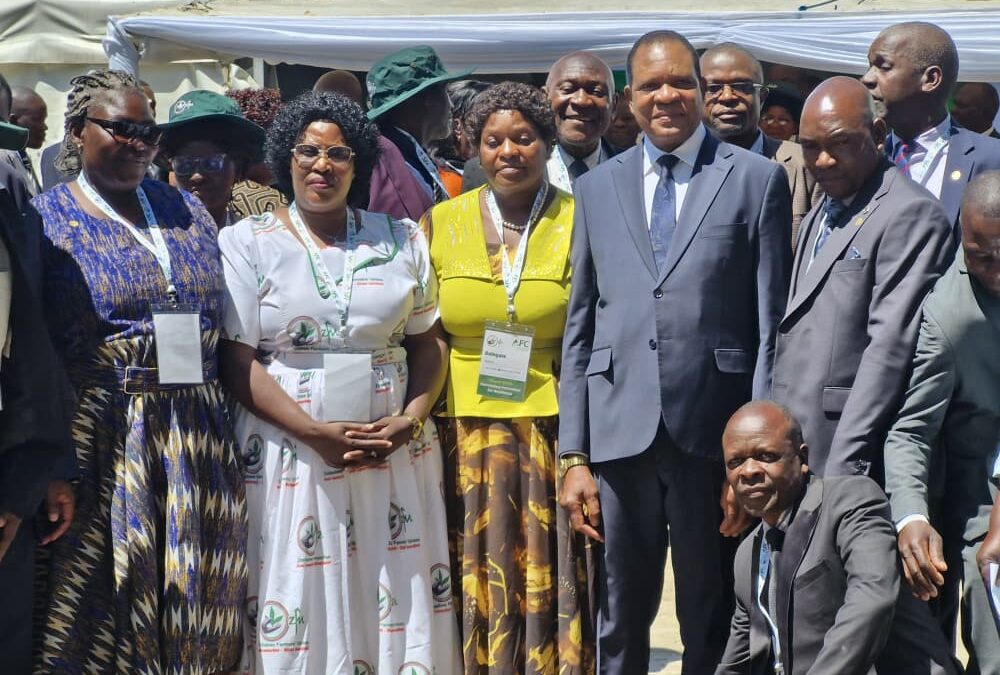
Agriculture Ministry Permanent Secretary, Professor Obert Jiri, said that early planning and investment in water infrastructure would be critical in mitigating the anticipated effects of the weather conditions.
“As we move into the next season, which is expected to be drier than normal, we must look ahead, set targets, and budget accordingly. We are prioritising irrigation development as we enter the El Niño season,” he said.
The Meteorological Services Department has cautioned farmers against interpreting the seasonal forecast as indicating there will be no rainfall during the coming season.
Instead, rainfall could be poorly distributed and interrupted by prolonged dry spells, requiring farmers to make informed decisions about planting dates and crop selection.
Farmers have also been encouraged to conserve soil moisture, harvest water, protect crop residues, and consider drought-tolerant varieties to improve resilience.
The Food and Agriculture Organisation has similarly called for anticipatory action ahead of the 2026/27 agricultural season, including stronger early-warning systems, improved water infrastructure, and targeted support for vulnerable farming communities.
For Zimbabwe, where many smallholder farmers depend on rain-fed agriculture, the anticipated conditions could affect crop establishment, yields, and livestock production.
The government’s approach seeks to ensure that preparations begin before the onset of climate-related shocks, with cloud seeding, irrigation, water conservation, and climate-smart agriculture forming part of a coordinated response to the looming drought threat.