

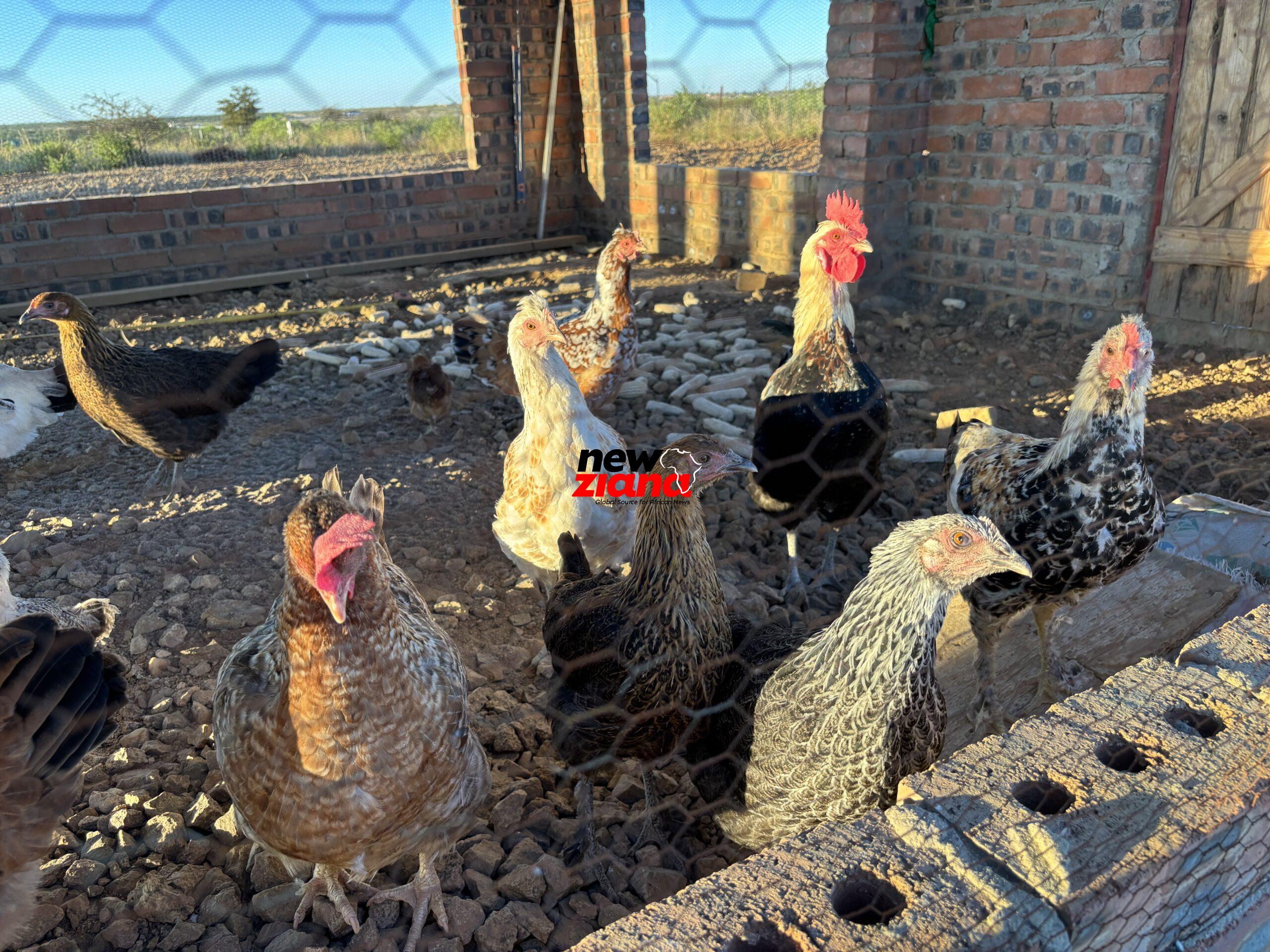
Bulawayo, (New Ziana) – Government is targeting production of more than 360 000 metric tonnes of chicken meat and over 200 million eggs annually as part of broader efforts to expand agro-based industries, a senior government official has said.
Speaking during an exhibition convened by the Zimbabwe Poultry Association, Deputy Minister of Agriculture, Mechanisation and Water Resources Development, Davis Marapira said the poultry industry had become one of the fastest-growing agricultural sub-sectors capable of uplifting livelihoods and strengthening national food systems.
The country’s poultry sector has emerged as a key driver of economic transformation, rural industrialisation and food security, with government saying the industry will play a pivotal role in the attainment of the country’s Vision 2030 development agenda.
“Government is targeting production of more than 360 000 metric tonnes of chicken meat and over 200 million eggs annually as part of broader efforts to modernise agriculture and expand agro-based industries.
“The poultry sector is a strategic pillar in the realisation of Vision 2030 because it directly contributes to food security, nutrition, employment creation and rural industrialisation,” he said.
Marapira said the poultry value chain provides opportunities for everyone from smallholder farmers to large-scale commercial producers.
“It has the potential to generate quick income at household level while supporting national economic growth,” he said.
The exhibition attracted regional and international stakeholders, including producers, suppliers, investors and agricultural experts who gathered to showcase innovations, strengthen partnerships and exchange technical knowledge aimed at improving productivity in the sector.
Marapira said the poultry industry was critical in empowering rural communities due to its relatively low start-up costs and quick returns compared to other agricultural ventures.
“Poultry production is one of the most accessible enterprises for youths, women and rural communities.
“It creates jobs along the entire value chain including feed manufacturing, hatcheries, processing, transport, veterinary services and retailing,” he added.
The country’s poultry industry has continued to expand over the years, becoming a significant contributor to the agricultural economy.
Experts say the sector plays an important role in reducing poverty and improving household nutrition through affordable sources of protein such as chicken meat and eggs.
The industry also supports thousands of informal traders and small-scale farmers who rely on poultry production for income generation and survival.
Agricultural analysts noted that increased investment in poultry production can stimulate local feed production, boost maize and soya farming, and reduce imports of poultry products, thereby improving the country’s trade balance.
Marapira said the government remained committed to creating a conducive environment for investment and innovation within the sector.
“We must continue embracing modern technologies, strengthening biosecurity systems and improving access to markets so that our poultry industry remains competitive both regionally and internationally,” he said.
The poultry sector is widely regarded as one of the most resilient agricultural industries due to its ability to provide continuous production cycles, quick turnover and stable demand from consumers.
New Ziana