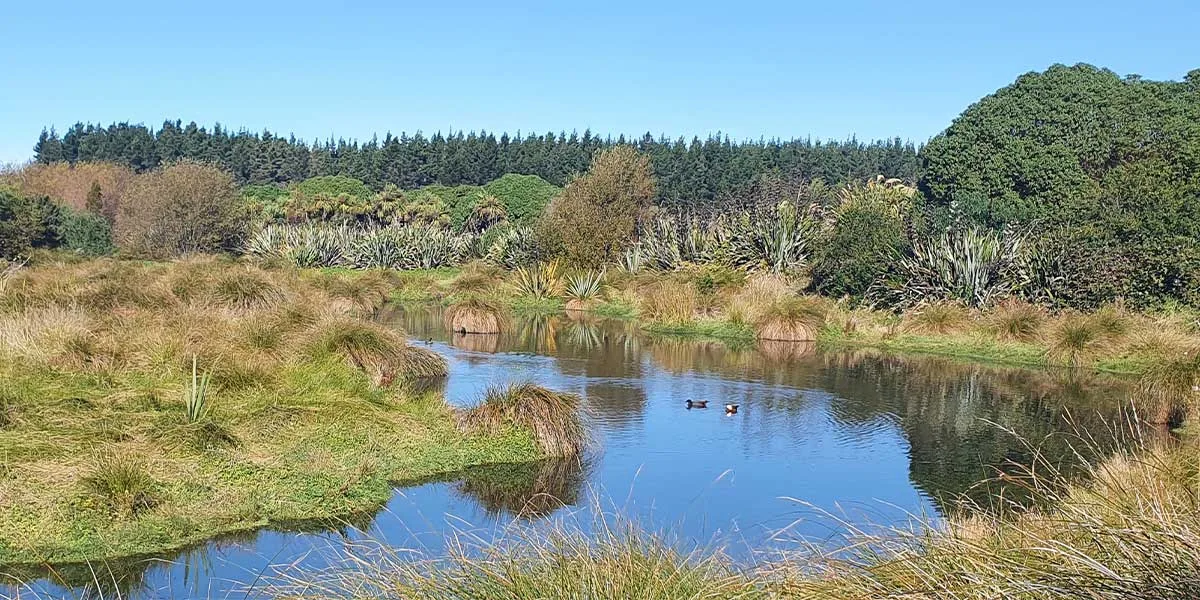
Victoria Falls, (New Ziana) — The city of Victoria Falls is poised to make history as it welcomes delegates from 172 countries for the Fifteenth Meeting of the Conference of the Contracting Parties (COP15) to the Convention on Wetlands. Under the theme “Protecting Wetlands for Our Common Future,” this conference marks a critical moment for global wetland conservation efforts.
A recent report presented at the conference reveals that wetlands, which occupy only 6 percent of the Earth’s terrestrial surface, provide extraordinary benefits. They sequester 35 percent of terrestrial carbon, support 40 percent of global biodiversity, sustain the livelihoods of over 1 billion people, and deliver ecosystem services valued at approximately US$47 trillion annually.
Dr. Evelyn Ndlovu, Zimbabwe’s Minister of Environment, Climate, and Wildlife, referred to wetlands as the “lungs of the Earth,” highlighting their role as natural infrastructure for climate resilience. “Our National Wetlands Policy, Guidelines, and Masterplan, aligned with our Nationally Determined Contributions (NDCs), demonstrate our commitment to the sustainable and wise use of wetlands,” she stated. This commitment aligns with the National Development Strategy 1, which prioritises the restoration of degraded wetlands.
In Zimbabwe, wetlands cover about 136,595.8 km², representing 34.96 percent of the country’s territory. However, the health of these ecosystems varies significantly: 21 percent are severely degraded, 18 percent remain stable and pristine, while 61 percent are moderately degraded.
Minister Ndlovu emphasised the importance of adopting the Victoria Falls Declaration, which places wetland restoration at the forefront of climate change mitigation. She called for the creation of a Global Wetland Restoration Fund to finance ambitious restoration projects. “This goal will require the establishment of a fund to enable countries and organisations to invest in crucial restoration initiatives,” she added. Additionally, she stressed the need to integrate wetland considerations into all National Biodiversity Strategies and Action Plans to ensure wetlands receive the attention they deserve in environmental planning.
A key innovation being launched during the summit is the Global Wetland Watch platform, designed to revolutionize wetland monitoring by providing real-time data and analytics for stakeholders worldwide. Supporting this advancement, Digital Earth Africa (DE Africa) will unveil new satellite-based tools aimed at transforming wetland monitoring and conservation across the continent.
As an open data platform, DE Africa offers analysis-ready satellite imagery and geospatial services—empowering African nations to make evidence-based policy decisions for sustainable development, from food security to biodiversity management.
President Emmerson Mnangagwa is expected to officially open this historic summit, which aims to produce concrete resolutions on wetlands, climate change, agriculture, biodiversity, and gender-inclusive management. Delegates will also tour the Kasibo Wetland in Hwange, gaining firsthand insights into Zimbabwe’s nature-based restoration strategies.
This summit represents a significant step forward in the global effort to protect and restore wetlands, underscoring their vital role in ecological health and climate resilience.