
By Simbarashe Muparaganda
Bulawayo, (New Ziana) – Zimbabwe and Namibia have reaffirmed commitment to strengthening co-operation in labour issues, covering inspection systems, occupational safety and health, and protection of workers in general as they respond to evolving labour market challenges driven by technology, informality and emerging workplace risks.
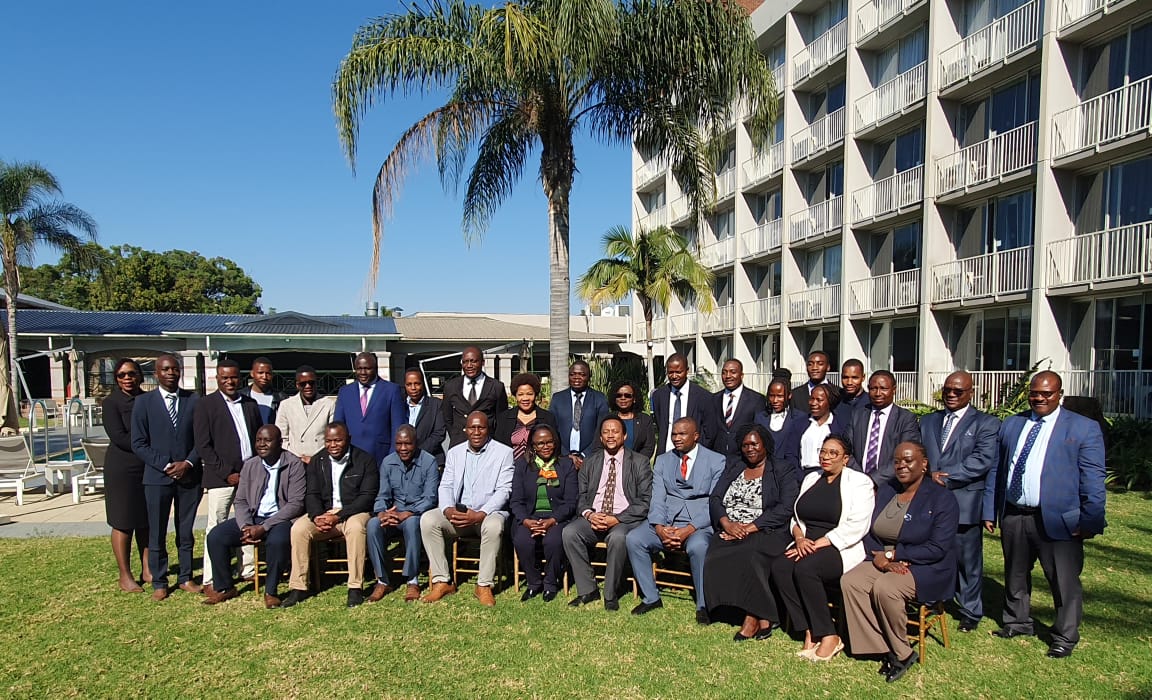
The commitment was made during the Zimbabwe-Namibia Bilateral Labour and Employment Engagement held in Bulawayo on Tuesday.
The engagement brought together senior labour officials from Zimbabwe and Namibia, who said enhanced bilateral cooperation would strengthen labour administration systems to respond to the rapidly evolving challenges facing the world of work.
The engagement is expected to produce recommendations aimed at modernising labour administration, strengthening occupational health and safety systems and enhancing regional cooperation in labour and employment issues across Southern Africa
Addressing the delegates, Namibia’s acting director of Labour Services in the Ministry of Justice and Labour Relations, Petrina Nghidengwa, described labour inspection and occupational safety and health as indispensable pillars of effective labour administration that protect workers’ rights while promoting safe and productive workplaces.
“This cooperation and collaboration is grounded on a longstanding friendship and solidarity between our two countries and further cemented in the Memorandum of Understanding in the areas of Labour and Employment signed by our two Ministries in 2020,”she said.
Nghidengwa said labour inspection played a critical role in ensuring compliance with labour legislation, preventing workplace accidents and occupational diseases, and safeguarding workers’ welfare.
She, however, highlighted that the rapidly evolving world of work was presenting new challenges that required labour inspectorates to continuously strengthen their capacity.
“The world of work is rapidly evolving. The growth of the informal economy, where traditional employment contracts do not exist, the emergence of hybrid workplaces and digital platform-based work, as well as increasing psychosocial and mental health challenges among workers, require stronger collaboration and continuous learning,” she said.
Nghidengwa said labour inspectors were no longer simply regulators but protectors of workers’ lives and promoters of social justice.
“Considering these emerging issues, it is clear that our mandate and capacity need to be sharpened. We need more resilient national labour inspection systems,” she said.
The acting director implored delegates to use the bilateral engagement to deepen technical knowledge, exchange experiences and strengthen institutional cooperation to ensure labour inspectorates remain relevant in addressing contemporary workplace challenges.
In his keynote address, Zimbabwe’s Permanent Secretary in the Ministry of Public Service, Labour and Social Welfare, Pfungwa Kunaka, said the meeting reflected the strong bilateral relations between Zimbabwe and Namibia and their shared commitment to promoting decent work, social justice and inclusive economic development.
He said the engagement built on previous successful exchanges between the two countries, including a Labour Dispute Resolution Workshop hosted by Zimbabwe and a Labour Inspection Exchange Programme hosted by Namibia.
“Our countries face many common opportunities and challenges, including the growth of the informal economy, evolving workplace risks, changing patterns of employment relations, technological advancements and the need to strengthen labour market institutions,” said Kunaka.
He said both countries had ratified the International Labour Organization’s fundamental conventions and must continue translating those international commitments into effective national policies and practical interventions that improve the lives of workers and employers.
He said bilateral cooperation would strengthen labour inspection systems, occupational safety and health programmes, efforts to eliminate child labour, expand social security coverage and improve compliance with labour standards.
He also highlighted the importance of formalising the informal economy, noting that more than half of the workforce in both countries operates outside the formal sector.
“Formalisation presents an opportunity to extend decent work, strengthen the protection of labour rights and improve access to social security and occupational safety and health services.
“It also enhances productivity, broadens the tax revenue base and strengthens the capacity of our governments to invest in quality public services and sustainable development, “Kunaka explained.
He emphasised that the success of the engagement would depend on translating discussions into practical recommendations and tangible action.
“The success of this engagement will not be measured merely by the discussions we hold over the coming days, but by the practical actions we take after we leave this venue. Let us identify innovative solutions, share successful practices and build lasting institutional partnerships that will continue to benefit Zimbabwe, Namibia and the SADC region as a whole,” he said.
New Ziana