Bulawayo, (New Ziana)-Zimbabwe has become a leader in Africa for innovative health financing by successfully mobilising domestic resources to fund the sector, a Cabinet Minister has said.
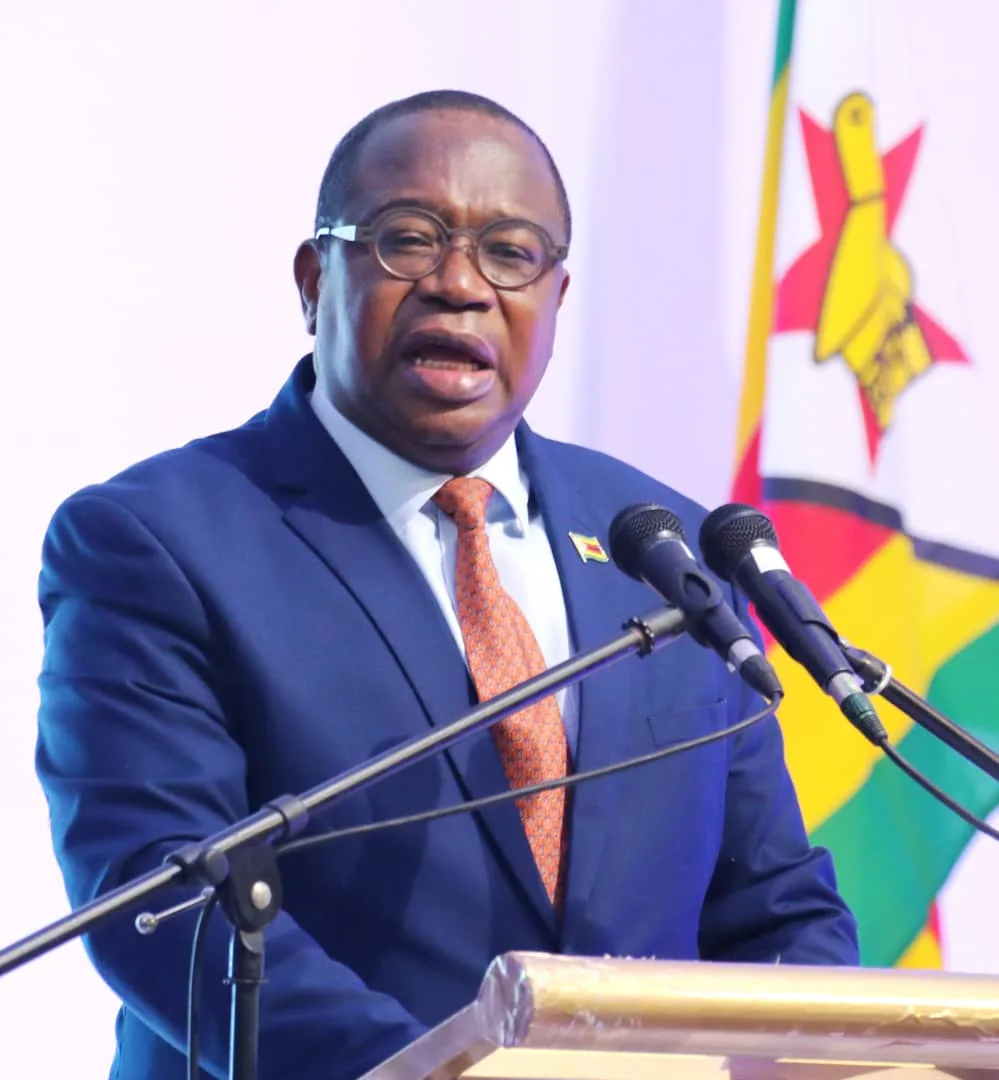
Finance, Economic Development and Investment Promotion Minister, Professor Mthuli Ncube said this on Monday while responding to stakeholders at the 2026 Post-Budget Breakfast Meeting in Bulawayo.
The platform sought to unpack the implications of the recently presented National Budget, bringing together leading business and financial sector voices to gain deeper insights into its policy measures.
Prof Ncube recently presented the 2026 National Budget which was themed: “Enhancing Drivers of Economic Growth and Transformation Towards Vision 2030”.
The budget would be anchored on the newly launched National Development Strategy 2 (NDS2), which runs from 2026 to 2030 and builds on the gains of NDS1.
Among other things, stakeholders wanted to know why Government did not totally scrap the Intermediated Money Transfer Tax (IMTT) and why Value Added Tax (VAT) was hiked from 15 percent to 15.5 percent in the national budget.
Government slightly reviewed down the IMTT on ZiG-denominated transactions from 2 percent to 1.5 percent in the budget to promote use of the local currency. But the IMTT on foreign currency transactions remains at 2 percent.
“IMTT is a very important tax for the government. If you look at (the declining) ODA (Official Development Assistance) flowing into the health sector, we need to close that gap and it has to come from the budget,” Prof Ncube said.
“That is why we need to be innovative. In fact, right now Zimbabwe is a leader in Africa for innovative finance for health,” he said.
Prof Ncube reminded stakeholders how the IMTT assisted the government in procuring vaccines during the Covid-19 pandemic.
He said the government’s target was to fund the health sector entirely from domestic resources.
“That is our target to fund our health sector on our own without relying on donors. Why should taxpayers from another country fund our health? Where is our pride as a country when our health is being funded by other people?
“That is why we still have the AIDS levy, the sugar content levy, airtime tax and so on. Those are designed to support the health sector with provision of machinery such as cancer machines,” said Prof Ncube.
The push for self-funding in the health sector follows cuts to foreign aid budgets by international partners, which previously supported health programs in Africa.
Meanwhile, Prof Ncube said manufacturing remained a priority area that required targeted reforms to address long standing constraints affecting productivity and competitiveness.
“Manufacturing is a big and complex sector, but we are committed to dealing with its challenges in a structured way,” he said, adding that specific cost-reduction measures for the sector would be rolled out in the first quarter of next year.
Speaking on the same occasion, United Refineries Limited managing director and Zimbabwe Investment and Development Agency chairman, Busisa Moyo, called for increased budgetary allocations to the manufacturing sector.
“Allocations to industry remain too small when measured against the scale of programmes required to drive industrial expansion. We encourage a much healthier figure in future,” he said.
New Ziana