Bulawayo (New Ziana) – Zimbabwe should urgently transform its broadcasting sector to achieve digital sovereignty and remain relevant in an increasingly technology-driven world, a Cabinet Minister has said.
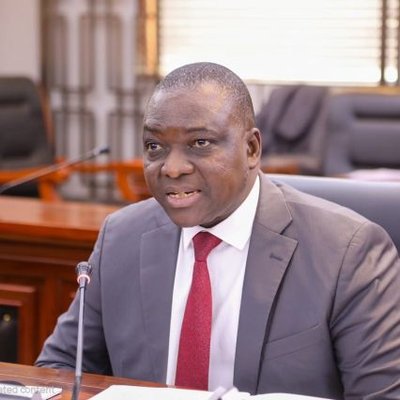
Information, Publicity and Broadcasting Services Minister Dr Zhemu Soda said this in a keynote address delivered on his behalf by the Ministry chief director for Government Messaging, Media Policies and Public Relations, Jonathan Gandari, at the Annual Broadcasters Conference 2025 in Bulawayo on Wednesday.
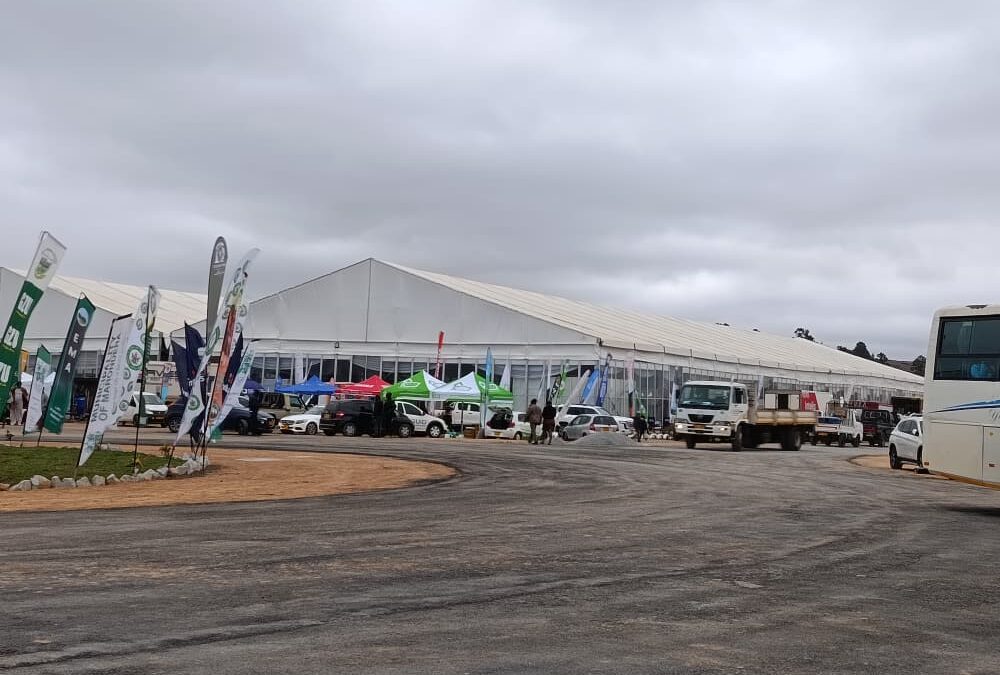
The conference was convened by the Broadcasting Authority of Zimbabwe (BAZ) in partnership with the National University of Science and Technology (NUST).
It brought together broadcasters, academics, policymakers, students and industry stakeholders to discuss the country’s future in broadcasting sector in an era of rapid digital transformation.
Dr Soda said the media industry had reached a defining moment where adaptation was no longer optional but mandatory.
“We stand at a critical digital crossroads. With that, we either adapt or we become irrelevant. We either sink or we swim,” he said.
He said traditional broadcasting models are rapidly becoming obsolete as advances in artificial intelligence, algorithm-driven content distribution, cloud-native broadcasting and emerging digital technologies continue to reshape the global media landscape.
Dr Soda said Zimbabwe is developing a blueprint aimed at securing total digital sovereignty and reducing dependence on foreign-controlled digital platforms.
“We are breaking away from outdated media models to secure our nation’s future. We are turning our eyes to collaborate and partner with like-minded nations, organisations, institutions and friends.
“Our quest is to engineer a dominant and resilient broadcasting architecture characterised by massive scale, instant delivery and absolute digital sovereignty,” he said.
He stressed that countries without their own digital platforms risk becoming dependent on global technology giants, surrendering control over data, content distribution and economic value.
Dr Soda described the challenge as one of digital decolonisation, arguing that nations must develop local technological solutions capable of protecting their cultural identity and economic interests.
“A nation without its own platforms becomes a media data farm for digital giants. Everything you do and everything you create is channelled through external platforms,” he explained.
He said the proposed broadcasting transformation strategy will strengthen media infrastructure, protect the national narrative and unlock new economic opportunities for local content creators and broadcasters.
Dr Soda challenged universities and researchers to take a leading role in developing localised technologies and solutions that support the digital ambitions of the country.
“We need to localise algorithms that protect our cultural and linguistic nuances. We need research on spectrum efficiency and models that optimise our technological transition, including the adoption of 5G and future technologies,” he said.
He also urged higher learning institutions to focus on practical research capable of producing patented solutions and strengthening the country’s technological self-reliance, while imploring students to equip themselves with skills in emerging technologies and apply innovation to address local challenges.
Broadcasters were also encouraged to embrace innovation and move away from legacy systems, while investors were invited to take advantage of opportunities emerging from the sector’s digital transformation.
Dr Soda said future conflicts would increasingly be fought in cyberspace rather than on conventional battlefields, making control of digital infrastructure a strategic national priority.
New Ziana