By Simbarashe Muparaganda
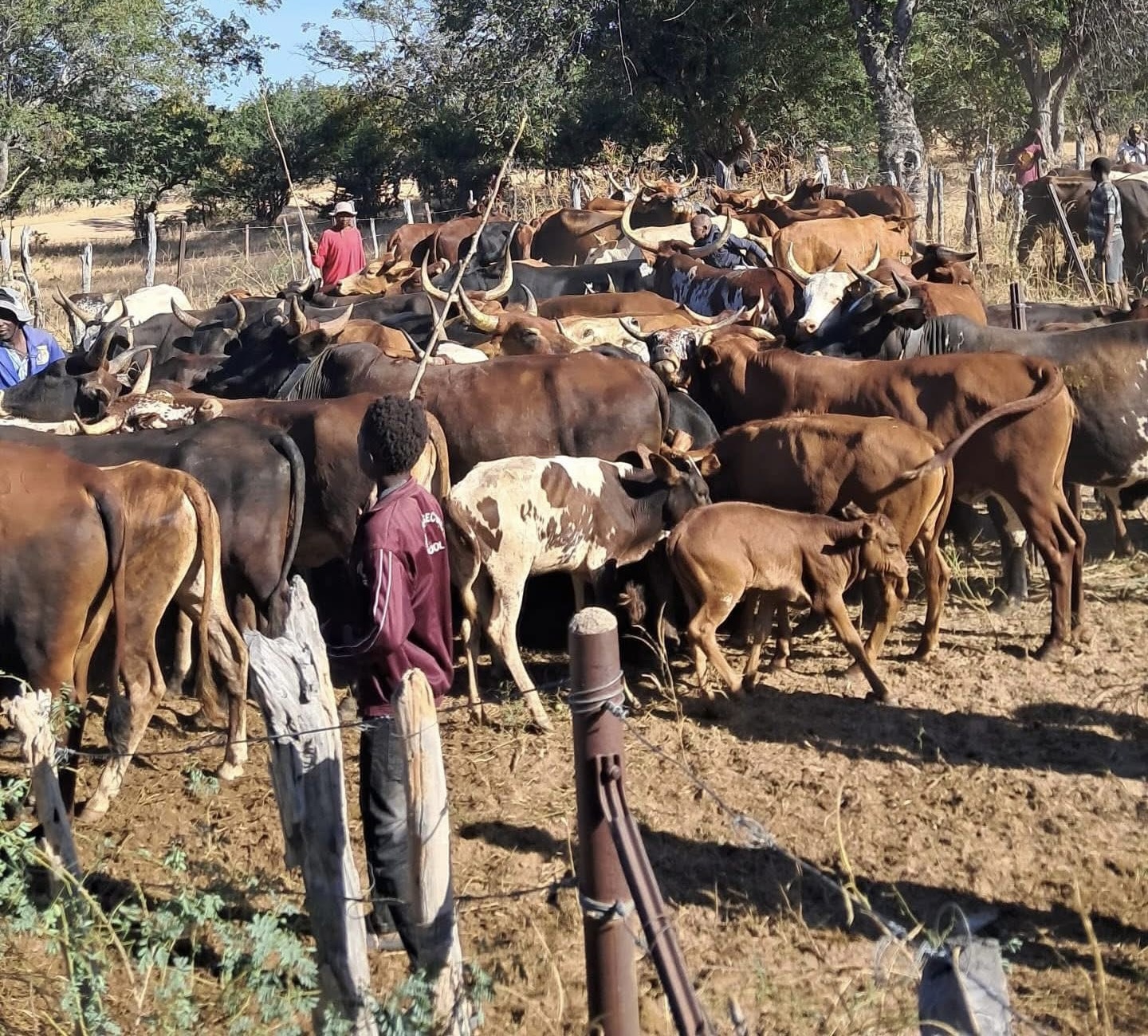
Bulawayo, (New Ziana) – The country has surpassed its 2026 target of vaccinating one million cattle against anthrax after it immunised 1 025 063 animals, a government veterinary official has said.
Chief Director of Veterinary Services (DVS), Dr Pious Makaya on Wednesday said the campaign had focused on the country’s 24 known anthrax hotspot districts, including Kariba, Hurungwe, Binga, Buhera, Chiredzi and Chipinge.
The vaccination campaign forms part of the Ministry of Agriculture, Mechanisation and Water Resources Development’s Early Warning-Early Action Strategy, which seeks to minimise the impact of climate-related livestock diseases amid forecasts that El Niño-induced conditions could heighten the risk of anthrax outbreaks.
The programme also marks a significant milestone in efforts to protect the national herd and strengthen preparedness against disease outbreaks expected during the 2026/2027 summer season.
“Zimbabwe has successfully vaccinated 1 025 063 cattle against anthrax, surpassing the national target of one million cattle for 2026.
“This achievement is a key component of our national preparedness strategy for the 2026/2027 summer season, when climatic conditions associated with the anticipated El Niño phenomenon are expected to increase the risk of anthrax outbreaks,” he said.
Makaya said vaccinating cattle in high-risk districts was the first phase of the Ministry’s disease preparedness programme aimed at protecting livestock, safeguarding rural livelihoods and reducing the impact of climate-related disease outbreaks.
He said prolonged dry spells associated with drought increase the likelihood of cattle ingesting anthrax spores while grazing close to the ground or in contaminated areas, making preventive vaccination critical.
“Vaccinating cattle before the high-risk season significantly reduces livestock losses and protects farming communities. Early disease prevention remains our most effective defence against anthrax outbreaks,” he said.
Anthrax is a highly fatal zoonotic disease caused by the bacterium Bacillus anthracis, which forms resilient spores capable of surviving in soil for decades before re-emerging under favourable environmental conditions.
The disease affects cattle, goats, sheep, wildlife and humans, with people becoming infected through contact with infected animals or by handling or consuming contaminated meat and animal products.
Makaya implored farmers to remain vigilant and report suspected cases immediately, highlighting that delays increase the risk of environmental contamination and further spread of the disease.
“Early detection and immediate reporting of suspected anthrax cases allow Veterinary Services to investigate rapidly, institute quarantine measures where necessary, safely dispose of infected carcasses, vaccinate animals at risk and prevent further spread of the disease,” he said.
He advised livestock owners never to open the carcass of an animal suspected to have died from anthrax, explaining that exposure to oxygen enables the bacteria to produce spores that can contaminate grazing land for many years.
Makaya also urged farmers to vaccinate livestock in high-risk areas, report sudden animal deaths immediately to the nearest Veterinary Office, refrain from slaughtering animals suspected to have anthrax and avoid buying, selling or consuming meat from animals that died from unknown causes.
He indicated that DVS remains on high alert nationwide and continues to strengthen disease surveillance, rapid response mechanisms, vaccination programmes and public awareness campaigns to safeguard the livestock sector and public health.
Anthrax poses a serious threat to livestock production, food security and public health, making routine vaccination in hotspot districts a key component of the country’s national animal disease control programme.
New Ziana