Harare (New Ziana) — Calls for justice, solidarity and peace echoed through a packed cathedral in Harare as Palestinian supporters, church leaders and members of the Zimbabwean community gathered to commemorate the 78th anniversary of the Palestinian Nakba.
The Nakba (Arabic for “the catastrophe”) event marked the mass displacement of Palestinians following the establishment of the state of Israel in May 1948, a moment speakers described as the beginning of decades of suffering for the Palestinian people.
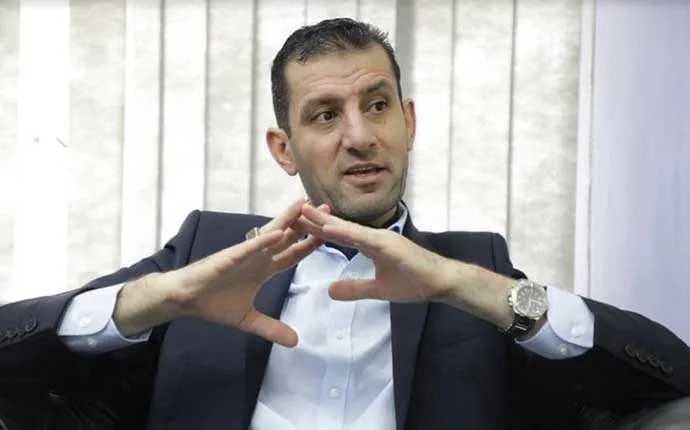
Addressing the gathering, Palestinian ambassador to Zimbabwe Dr Tamer Almassri said the Nakba was not merely a historical event but an ongoing tragedy that continues through occupation, displacement and violence in Gaza, the West Bank and East Jerusalem.
“The Palestinian catastrophe unfortunately continues until today. The Israeli occupation increases its crimes day by day, and the world is witnessing what is happening in the Gaza Strip,” he said.
He condemned the destruction caused by the ongoing conflict in Gaza, claiming that entire cities and refugee camps had been devastated and that millions of civilians had been displaced.
Dr Almassri also alleged widespread destruction of hospitals and medical facilities, describing the humanitarian situation as catastrophic, adding despite the suffering, Palestinians remained resilient.
“We are still here. The Palestinian people have not raised the white flag. Today the Palestinian flag has become a symbol of justice and solidarity across the world,” he said.
He also drew parallels between Israeli policies and the former apartheid systems in South Africa and Rhodesia, adding that Zimbabweans, having endured colonial oppression and racial segregation under the former Rhodesian regime, could understand the pain of displacement and injustice faced by Palestinians.
“The Zimbabwean people know the high cost of apartheid and colonialism. Their history gives them a deep understanding of the Palestinian struggle,” he said.
Church leaders led prayers for victims of the war in Gaza, as well as for Palestinians living in the occupied West Bank and Jerusalem.
The service paid tribute to children, women and civilians who have lost their lives during the conflict with concern also being raised over restrictions on religious worship in Jerusalem, with speakers alleging that churches had been closed during Easter celebrations and that Christian worshippers and clergy had faced harassment.
It ended with renewed calls for international action, peace and justice, as attendees lit candles and observed moments of silence for victims of the conflict.
The Nakba remains one of the most painful and divisive chapters in Middle Eastern history, continuing to shape the lives of millions of Palestinians around the world.
New Ziana